A Colorado family faced a problem wildlife officials knew could not be solved with a simple removal.
Behind one family home, the unexpected visitors found a place that offered the safety and shelter they needed.
The homeowner faced a harder question: how could the family be moved without risking the bears or the neighborhood? Moving the family of bears would prove far more complicated than simply chasing them away.
Wildlife officials had to balance protecting residents while safely handling a vulnerable bear family.
Why a family home became a bear den
Wildlife officials were called after the bear family raised concerns about safety in the neighborhood.
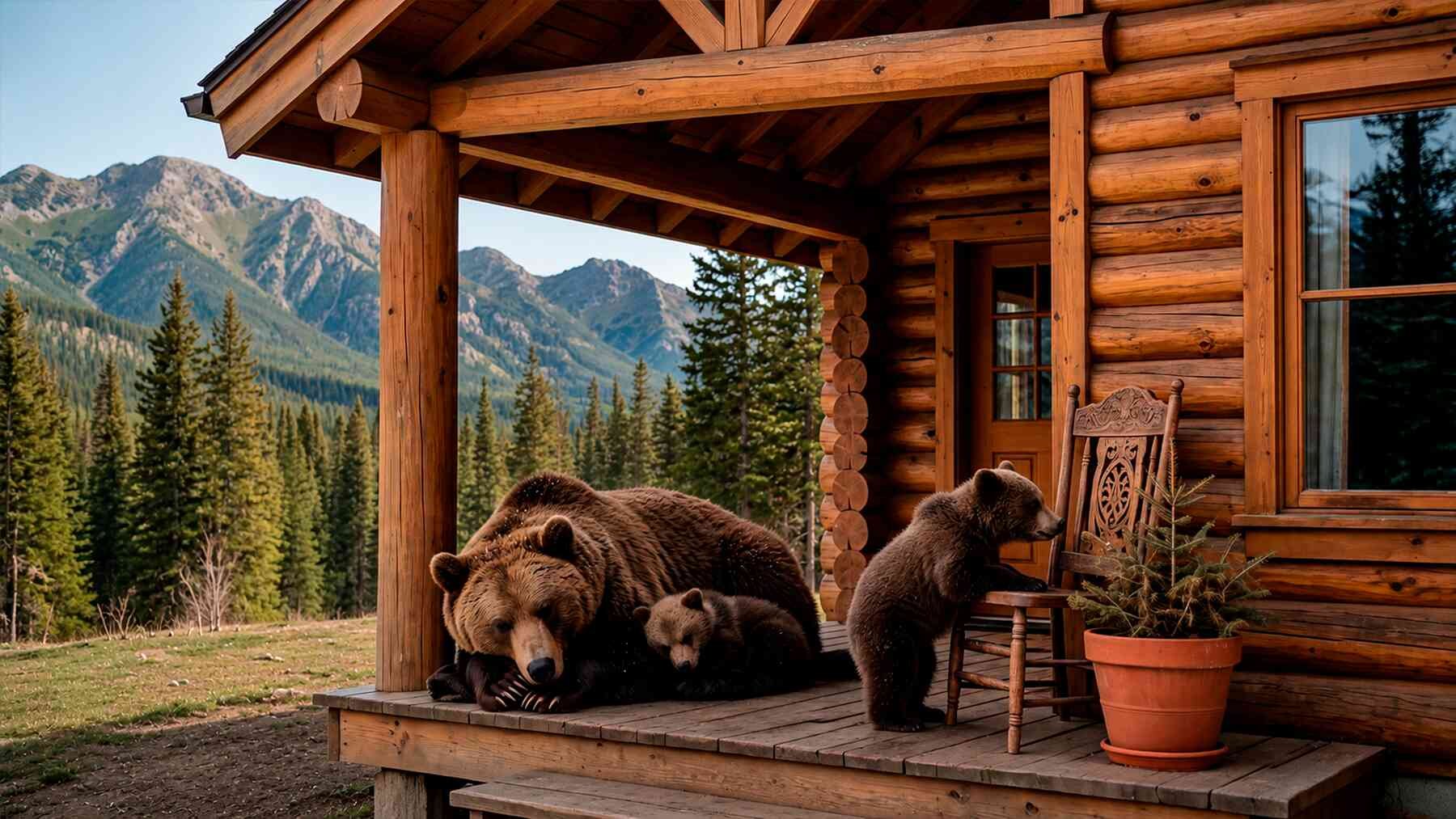
The unusual situation unfolded in Colorado Springs’ Northgate neighborhood, where a family home became a temporary shelter for wildlife.
Wildlife officers arrived to determine why the bears had chosen the residential area.
They contacted the owner and confirmed a 150-pound momma bear and two cubs weighing about 100 pounds each.
Although unusual, the location provided many conditions black bears seek when choosing a den. That included protection from wind and rain, concealment from disturbances, and seclusion from high levels of human activity.
To the homeowners, it was merely their deck that led directly off their home.
However, to the bears, it was much more than that. It offered the shelter and security they would normally seek in a natural den.
As neighborhoods continue expanding into areas once used by wildlife, encounters like this have become increasingly difficult to avoid.
In this particular case, a family home provided shelter and seclusion for a bear family looking for a place to den.
It is easier said than done – removing a bear family
The officer could not simply force the bears to leave and expect the situation to be resolved. The adult female was caring for two vulnerable cubs beneath the deck.
Relocation efforts had to minimize stress and injury risks for both the momma bear and cubs.
As such, all three members of the family were sedated. They were then placed into separate wildlife transport vehicles.
The bears were relocated to a distant area near Pueblo, CO, several hours south of Colorado Springs.
Wildlife officials described the new area as a better bear habitat, allowing the family to avoid residential neighborhoods.
This removal effort was not solely focused on relocating a single adult bear. Separating young cubs from their mother could create additional risks for their survival.
According to Colorado Parks & Wildlife, cubs usually stay with their momma until the first winter before becoming independent.
Therefore, keeping the entire family together during the relocation remained a priority throughout the operation.
What ultimately happened to the momma bear and her two cubs?
The outcome depended on whether wildlife officials could safely relocate the family without separating them. Instead of becoming another tragic wildlife conflict, the operation gave the bear family another chance.
After wildlife officers administered a reversal agent, the three bears were released back into the wild.
Video from Colorado Parks & Wildlife showed the momma bear and cubs leaving the transport vehicle for the surrounding habitat.
Keeping the bear family together
The family remained together throughout the relocation and eventual release. That outcome reduced the likelihood of additional stress on the young cubs during the move.
There was no decision made by wildlife officials to kill any of the three bears.
Instead, the family was relocated and released into a suitable bear habitat.
For one Colorado family, a familiar backyard became a temporary refuge for a mother bear and her cubs searching for safety.
Once the temporary shelter was no longer needed, the bears returned to the wilderness and continued on away from human neighborhoods.
Read the whole thing?
Get the week's signal, not the noise
Our sharpest reporting on energy, climate and nature — free, once a week.