Picture a Tuesday morning commute through a tunnel running beneath a harbor.
The radio is on, the coffee is warm, and tons of seawater press against the concrete just inches from your window.
You trust the engineering absolutely, and you should, but there is one small component holding that bargain together that almost nobody thinks about.
It is a strip of rubber, and what is happening inside it right now is not what anyone expected.
The strip of rubber almost nobody knows about
When engineers build a tunnel under a harbor, a river, or a bay, they do not drill one continuous tube.
Prefabricated concrete sections are floated out, sunk into a seabed trench, and drawn together underwater.
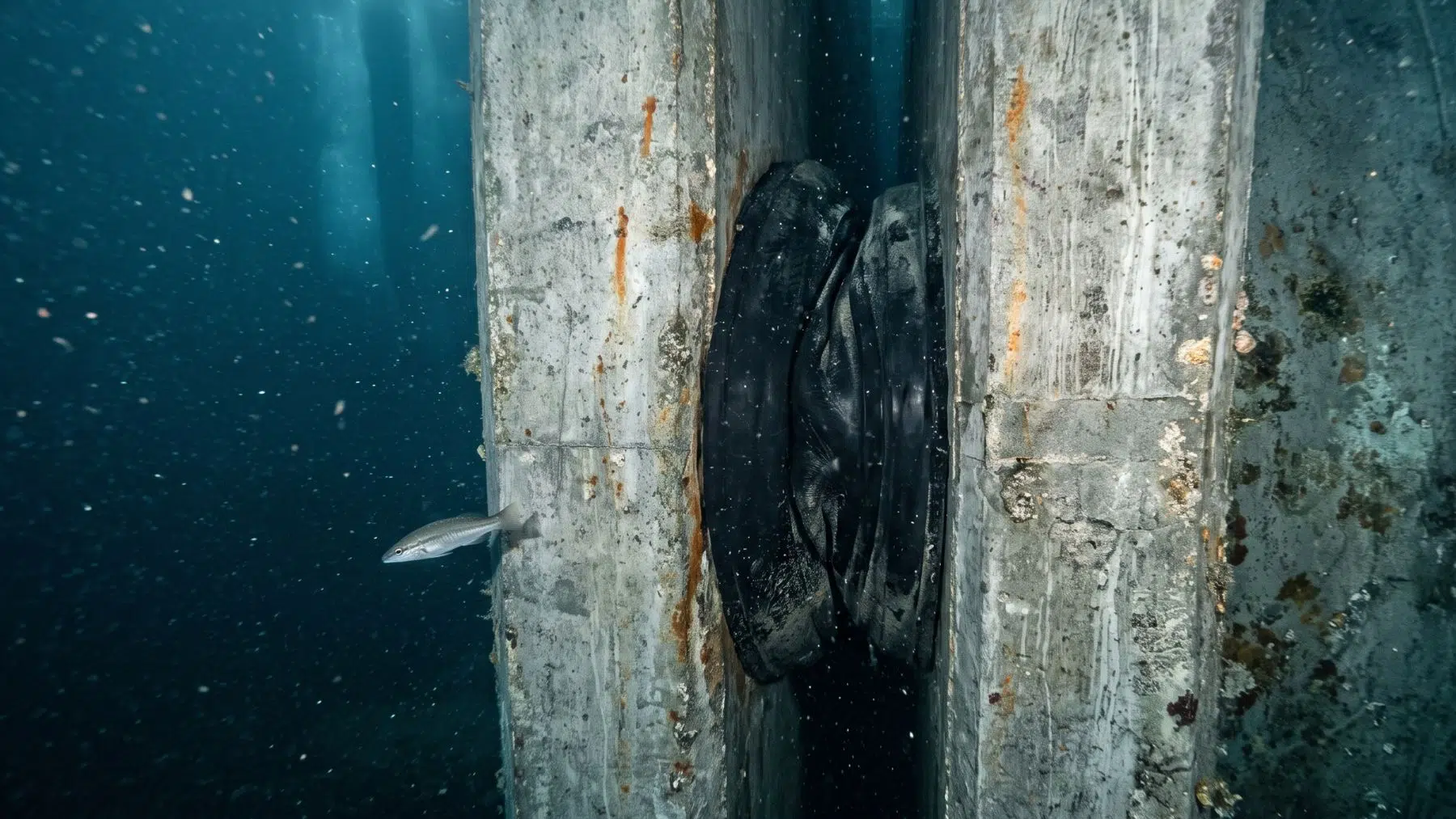
At every joint, a GINA gasket is compressed between steel end shells, and that compression generates the sustained outward force that keeps water from finding a path through.
Think of it like the weather stripping around a car door, only the car door is the size of a building, and the weather outside is the ocean.
The seal stays under load from the day the tunnel closes.
It never gets a rest, never gets replaced on a schedule, and for decades it stays invisible, doing its job in the dark.
What engineers believed would happen over 100 years
The GINA gasket was designed with a century in mind.
Engineers ran calculations, modeled the chemistry of seawater attacking rubber, and arrived at a confident number: earlier projections estimated the gasket would retain about 2.32 megapascals of sealing pressure after 100 years.
That number cleared the minimum threshold for keeping the sea out by a comfortable margin.
The math looked solid because the tests looked solid.
But the tests were only looking at one enemy: saltwater.
They were missing the other force that acts on the rubber every single day, the crushing, relentless mechanical squeeze of two massive steel end shells pressing against it from both sides simultaneously.
The paradox that fools an inspection team
Here is where the story gets genuinely strange.
When researchers pulled real gasket samples from an operational tunnel and ran them through combined seawater and compression tests, the rubber did something unexpected on the surface.
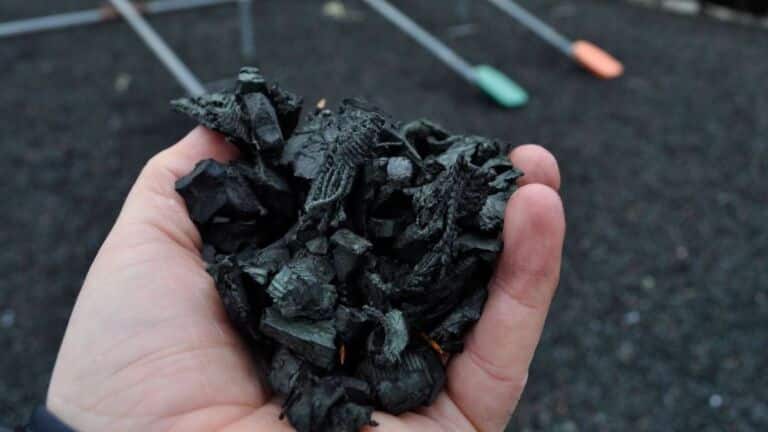
Over time, the gasket’s hardness increased by 14.18 percent and its density rose by 5.88 percent.
To an inspector tapping it with an instrument, the rubber would feel tougher, denser, almost reassuringly solid.
But that harder feel was masking a collapse happening at the molecular level.
Molecular chains inside the rubber deteriorated, weakening the polymer network that helps the rubber recover after compression.
The temperature at which the rubber stiffens also rose by about 5.8°F, making it more brittle in cold seawater.
The seal was not falling apart visibly. It was hardening into failure, and a routine check would never catch it.
The GINA gasket is losing its grip 35 percent faster than the math said
The component at the center of this discovery is the GINA gasket, and the new numbers are stark.
A study published in Tunnelling and Underground Space Technology found that this primary waterproofing seal in immersed tunnels worldwide loses sealing force 35 percent faster than earlier models predicted.
Previous forecasts measured how seawater degrades rubber but did not account for what decades of constant mechanical compression does at the same time.
When researchers at Shijiazhuang Tiedao University in China tested both forces together, the gasket lost 67.66 percent of its sealing force across the simulated service period.
Earlier measurements on the Yuliangzhou tunnel showed that once the gap between adjoining sections exceeds about 1.85 inches, the seal’s ability to block water deteriorates sharply.
The projected sealing pressure after 100 years is 1.51 megapascals, still above the leakage threshold, but the margin for error is shrinking faster than expected.
What this changes, and why the ocean will wait
The finding does not mean immersed tunnels are suddenly unsafe.
But it does tighten the margin of safety and pushes owners toward more active monitoring instead of a build it and forget it mindset.
The researchers propose that operators prioritize direct measurement of joint contact stress, especially at the gasket’s lower edge, rather than relying on surface hardness as a proxy for seal health.
That lower edge is the spot where contact pressure is lowest and where a slow leak would most likely begin.
What this story is really about is the hidden life of an ordinary material under extraordinary, invisible stress.
A thing can look fine on the outside while losing everything within, and the natural world offers its own versions of that lesson: a coral reef can appear intact right up until its structure collapses, just as the deep ocean can conceal signs of change that only careful listening eventually reveals, and just as biologists spent decades looking at the wrong organ before finding what steered a pigeon home through thick cloud.
Engineers now have the data to rewrite the rubber recipe, adjust compression targets, and inspect with sharper tools before the sea ever finds the gap.
The tunnel will hold, but only because someone looked closely enough to see the failure hiding inside the thing that felt, by every surface measure, like strength.
Read the whole thing?
Get the week's signal, not the noise
Our sharpest reporting on energy, climate and nature — free, once a week.