Fifteen miles off the coast of Massachusetts, a renewable energy installation saw a structural failure that had to be treated like an emergency.
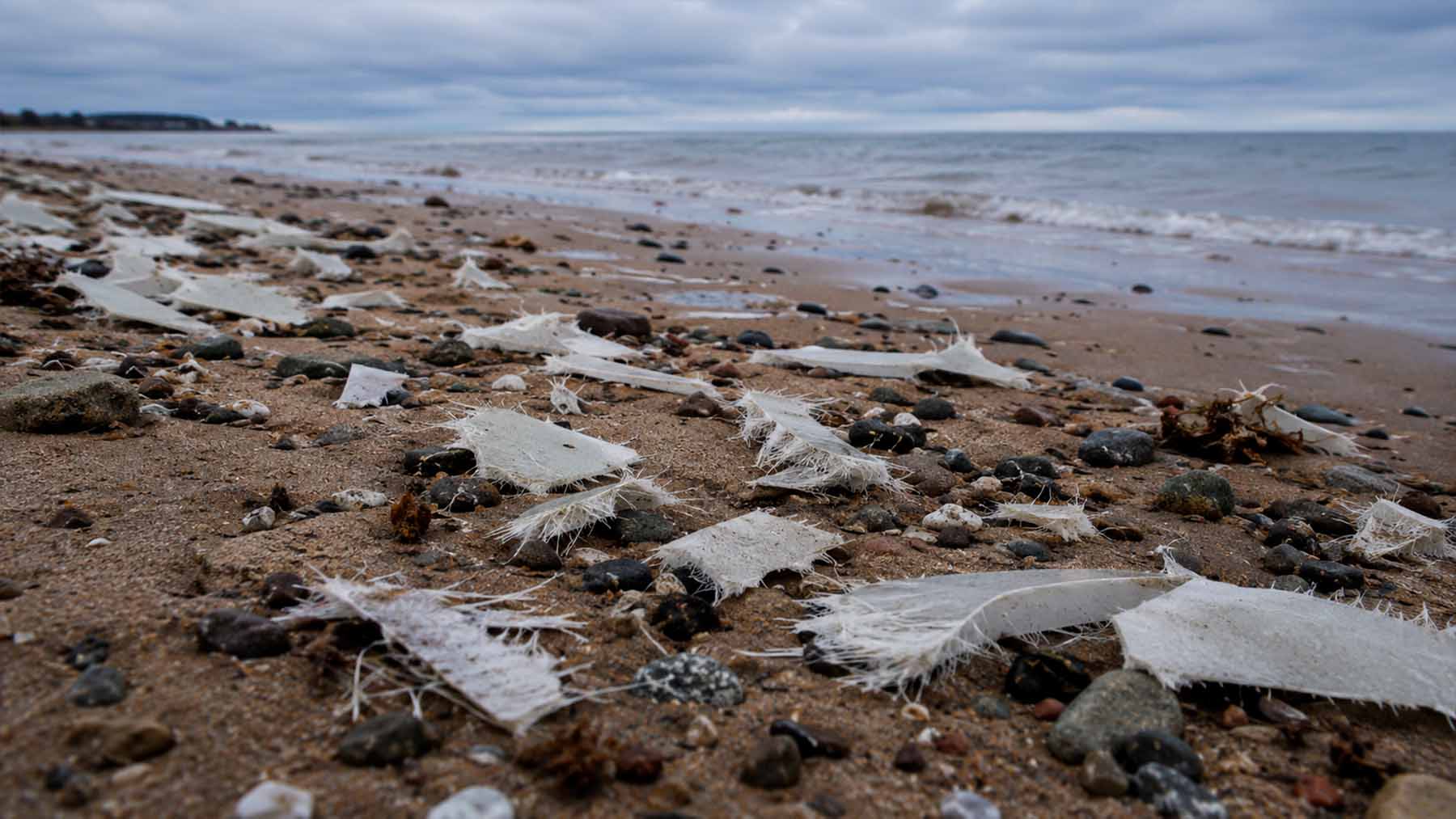
The first part of the response was at the offshore site, but currents and wind carried fiberglass and industrial foam to faraway shorelines.
Lifeguards and volunteers immediately mobilized to clear the debris. But the installation was also paused.
How did one on-site hiccup far out at sea end up with an emergency situation on land?
Why Nantucket ended up with an emergency that green energy caused
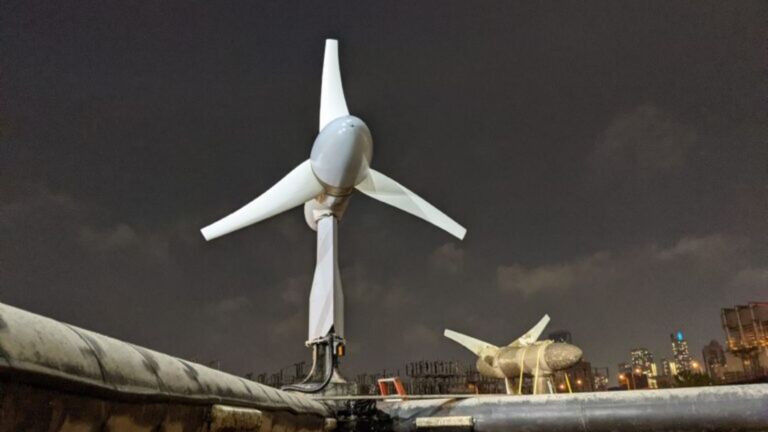
The Vinyard Wind 1 project along the coast of New England is a major expansion of clean energy. Its GE Vernova Haliade-X turbines each stand more than 800 feet tall, with blades measuring 351 feet.
One day, one of the composite blades broke at a point 65 feet from its root. Thousands of pounds of fiberglass shards and internal structural foam ended up in the Atlantic Ocean.
Emergency officials reacted quickly, closing Nantucket’s southern beaches to swimmers. Large floating items of debris started washing up in the surf.
Federal regulators at the Bureau of Safety and Environmental Enforcement decided that a formal suspension was in order. The project was paused while the situation was resolved.
Response vessels were dispatched to try to intercept larger submerged sections of debris offshore.
On land, municipal crews and locals gathered tons of material spread along miles of coastline.
The long-term consequences were widely spread
The shoreline cleanup sessions were only the beginning of a long economic and regulatory fallout for the wind energy sector in the region.
A delay in notifications was the first problem. Nantucket authorities had to wait for two days after the failure to receive safety information.
One of the financial consequences was a loss of money from tourism. It’s never good when the beaches have to be closed down. Especially in summer. The commercial fishing sector grew increasingly concerned about the long-term effects of the pollution on marine habitats, not to mention navigational safety.
The multibillion-dollar Vineyard Wind 1 project was immediately placed under economic strain. Construction came to a complete halt.
GE Vernova reacted with seriousness, establishing a team of engineers to decide what caused the structural failure and inspect the dozens of identical blades that had already been installed.
Some of the priorities for local government officials involved compensation for the cleaning expenses incurred by the municipality and some local businesses. The breakdown of a single offshore component also caused complex legal and financial problems.
A manufacturing flaw was one of the faults
The turbine blade debris managed to spread across 15 miles of open ocean. A combination of powerful surface transport dynamics and material buoyancy can explain the vast dispersal.
The 351-foot blade was hollow on the inside but filled with high-density synthetic foam and lightweight glass-fiber composites. When it folded and sheared off, the foam was freed from the shell. It ended up in pieces, with substantially sized pieces floating near the surface.
The southwesterly wind patterns and currents in the Nantucket Sound drove the buoyant bits towards the southern beaches of the island. The salvage craft needed to react, but there was not enough time.
An intense investigation because no one wants a repeat
It turns out that the fault behind the structural failure was present before the part had even left the factory. There was a deviation in the manufacturing process involving an essential adhesive bonding agent that had been left out. This meant that the integrity of the blade under normal operational loads was compromized.
We know how important quality control is in the renewable energy sector. Rapid oceanographic modeling also needs advancing. The structural integrity of parts coming out of the factory is vital for environmental protection
We need to understand currents as guidance for future offshore energy development. We must also learn from the mistakes made during the rush to switch to clean power.
Read the whole thing?
Get the week's signal, not the noise
Our sharpest reporting on energy, climate and nature — free, once a week.