In the Midwest, spring evenings are usually quiet, but specialized detectors recently picked up lots more noise than usual.
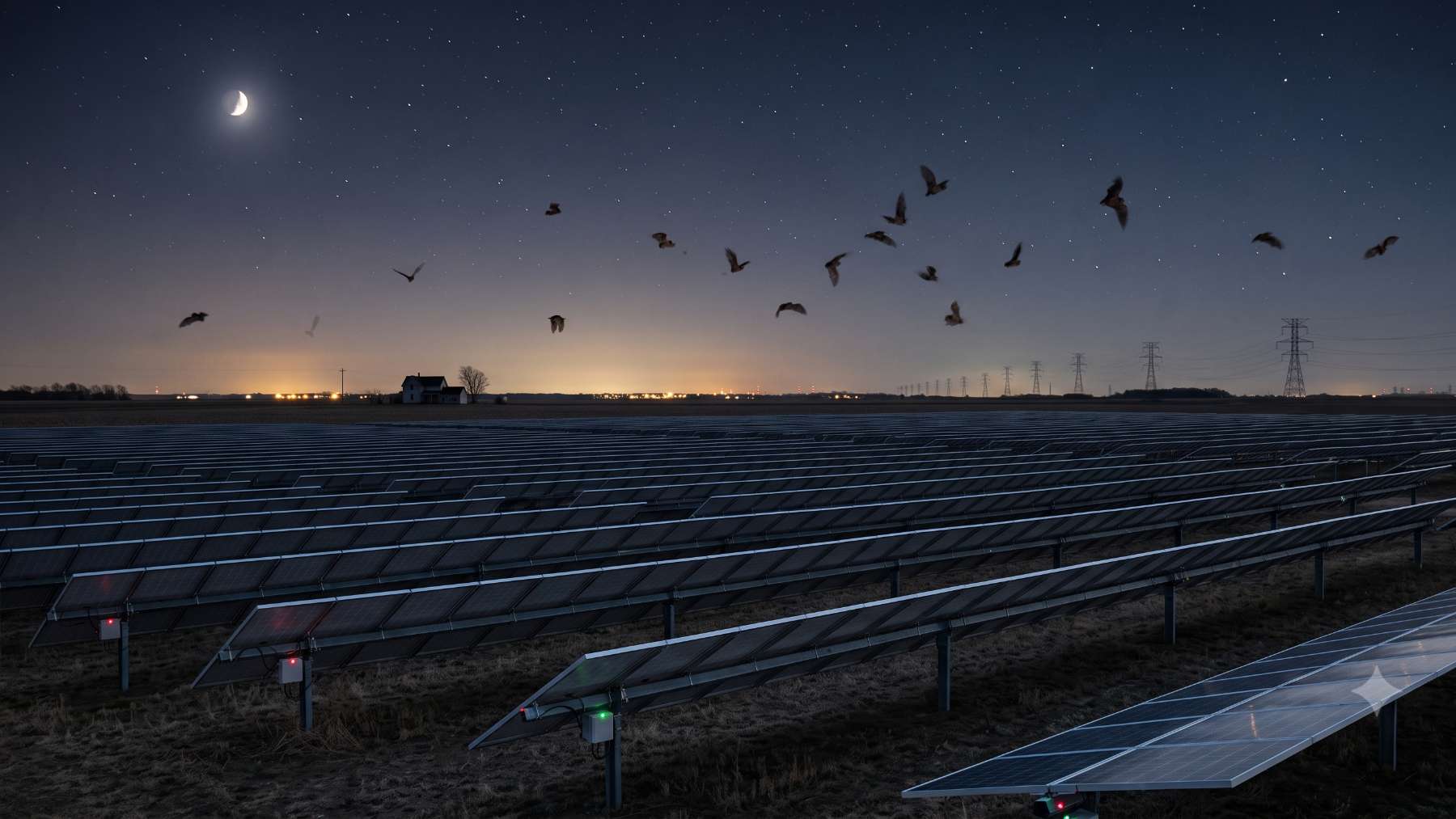
A two-year ecological study involved researchers installing ultrasonic recording units across several commercial solar farms and neighboring agricultural farms. Every May, tractors go to work turning the soil, and in recent years, high-frequency bat calls spiked notably above the panel arrays around this time.
Why did the bats get so much louder during planting season?
How acoustic sensors captured a seasonal spike
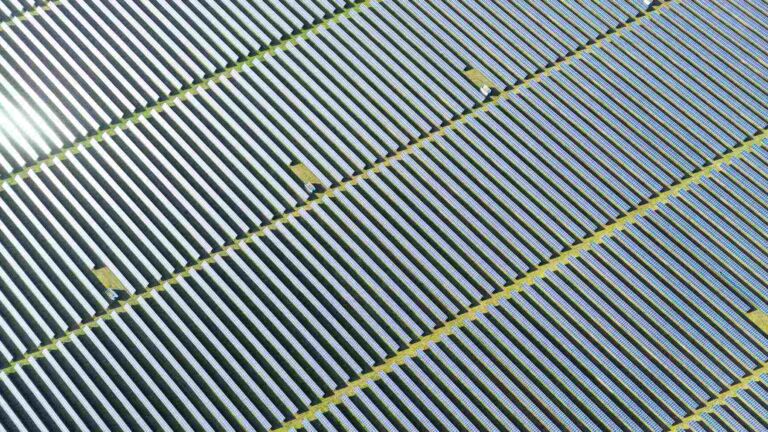
The passive acoustic monitoring in the Midwest was carried out over 2023 and 2024, with 12 solar plants being targeted in the study. The purpose was to understand how expanding solar power operations are affecting wildlife.
Each of the solar facilities was paired with an active farm nearby, creating a baseline for comparison within the same landscape.
The microphones were turned on during the warmer months to record the echolocation calls that bats use to navigate and locate prey. One may think that the bats would have avoided the extensive panel arrays, but it was the opposite, and they started favoring the airspace above the facilities.
Through May and June, the average bat calls over a week were around 50 percent higher than over the crop fields close by. This peaked at dusk, which is when bats emerge to feed in the darkness.
The industrial installations were not driving the animals off. Something about the infrastructure was attractive, and it was linked to the difference in vocal activity at the start of spring.
Species-specific patterns observed under tough conditions
The early spring season is not an easy time for nocturnal animals in the Midwest. This is when thousands of acres of farmland get tilled for planting and treated with chemicals. The activity temporarily means an absence of plants and insects.
There were distinct differences between three species picked up in the acoustic recordings of the bare environment. Hoary bats had higher call levels over the solar sites for most of the monitoring period. The pattern was distinct for big brown bats, where activity spiked inside the sites for the first third of the season before leveling off.
Silver-haired bats were consistent. Their call levels were equal everywhere, according to the National Laboratory of the Rockies.
The general picture across the weekly monitoring of all 12 sites reveals that bat activity was never higher on the farms. This means that the bats were not simply moving to avoid the tractors working the crop fields; they were purposely choosing to visit the solar installations.
Ecovoltaic designs offer early foraging shelter
The physical cause behind this sound spike lies under the panels themselves. Each of the 12 monitoring sites was built using an “ecovoltaic” layout, replacing typical gravel or turf grass with restored native prairie grasses and wildflowers.
During May and June, while surrounding farmland was turned into bare dirt, these native plantings bloomed early and held healthy insect populations.
The solar sites acted as temporary feeding hubs, offering reliable food and plant cover during a lean spring window when freshly tilled neighboring fields offered almost no nourishment for foraging animals.
The next step is tracking feeding habits
These ultrasonic acoustic recordings show that restored native vegetation within solar developments can offer helpful early-season food and refuge for regional bat populations.
However, acoustic monitoring tracks vocal presence rather than direct hunting success. Further research examining specific echolocation call types and insect numbers is still needed to confirm exact feeding habits.
As renewable energy infrastructure expands across rural America, pairing power generation with ecological restoration shows how working sites can double as habitat.
Similar environmental shifts happen where green energy alters local landscapes, and we need to take responsible stewardship of the environment as the world turns to green energy to power the future.
The full study is available here: Szoldatits, K. E., Walston, L. J., Hartmann, H. M., Fox, L., Stanger, M. E., Steele, S. E., … & Macknick, J. (2025). Bat activity at ecovoltaic solar energy developments in the Midwestern United States. Global Ecology and Conservation, e03864
Read the whole thing?
Get the week's signal, not the noise
Our sharpest reporting on energy, climate and nature — free, once a week.