A grassy mound sits beside the highway on the edge of New Haven.
For decades it swallowed the city’s garbage.
Then it was sealed, planted over, and left alone.
On a July morning a crew climbed it and flipped a switch.
The hill is a power plant.
Nobody had to dig a single hole to make that happen.
What a sealed hill produces
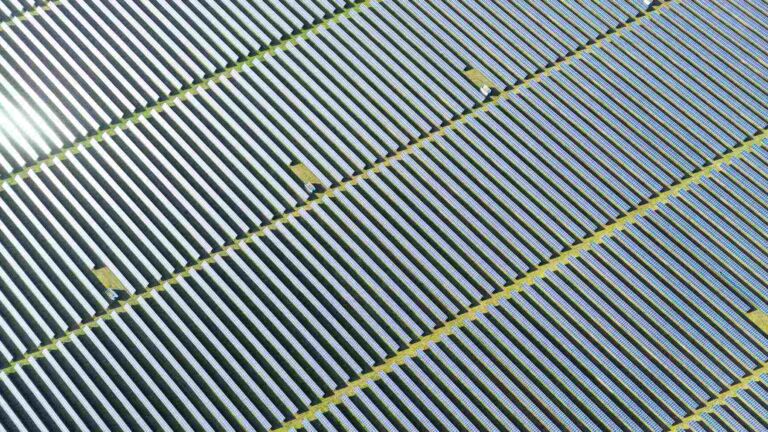
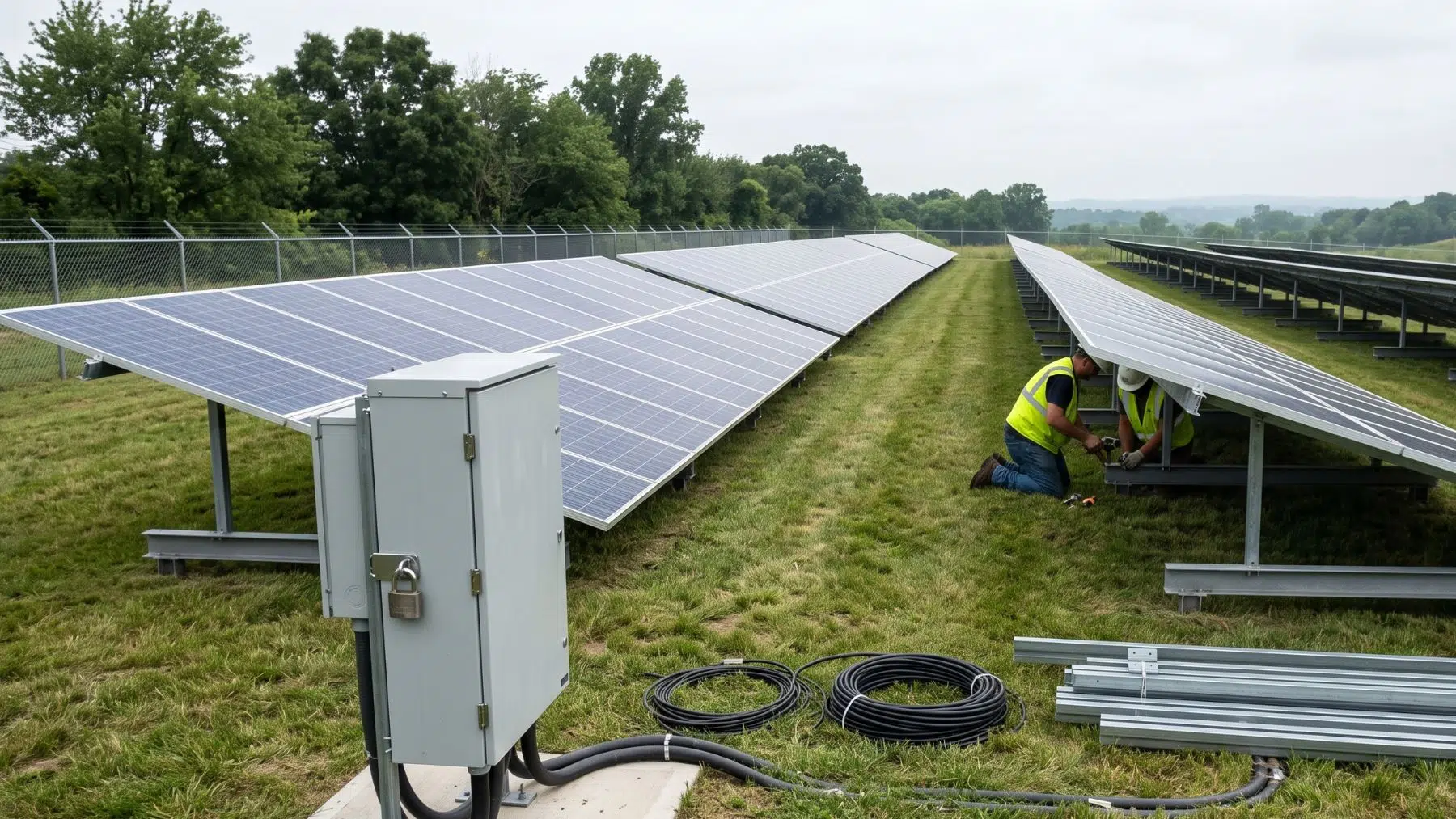
Roughly 1,900 solar panels are bolted along the slope of the old transfer station site on Middletown Avenue. Together they make about 1.4 million kilowatt hours a year, which the local utility buys and passes on to nearby customers. That covers around two hundred homes, which is a neighborhood rather than a city.
The city did not pay to build any of it.
A developer leases the ground, put up the money, and hands over close to seventy two thousand dollars a year for twenty years. Over the life of the lease that comes to roughly a million and a half, arriving every year without anyone lifting a shovel on ground that had produced nothing at all.
The city puts the carbon saving at what sixteen thousand trees would absorb over ten years.
The cap is the reason it works
A closed landfill is not empty land. It is a sealed system, and the cap laid over the waste is the part that keeps rain from getting in and keeps leachate from getting out. Break the cap and the whole arrangement fails, which is why almost nothing can be built on one.
Solar is one of the few things that fits.
The panels sit on weighted supports that press down on the surface instead of driving foundations through it. Nothing punctures the seal, nothing disturbs what is buried, and the array can be lifted off again if the cap ever needs work underneath.
There is a second gain that has nothing to do with the trash. Every acre of capped landfill carrying panels is an acre of farmland or woodland that a developer never has to argue about, and this hill was already ruined ground.
The people standing on top of it
The mayor turned up for the switch and said the obvious thing out loud. “We are literally standing on the past waste of New Haven and talking about the future of New Haven being an environmental steward,” Justin Elicker said.
He was blunter about what the site used to be worth.
“We can’t use it for much of anything, so really it was just a large mound that people drove by every day on the highway,” he said, “and now we have on top of it an actual production of energy.”
The state has quietly stacked the deck in favor of hills like this one. Every round of its shared clean energy program has carried a bid preference for projects sited on landfills and brownfields, which lets a scarred site outcompete an open field on price. Six more arrays are planned across New Haven, worth about four megawatts and another quarter million dollars a year in rent.
Ten thousand more hills
New Haven is one dot. There are more than ten thousand closed landfills in the United States, capped, fenced and sitting still, and the overwhelming majority of them are doing nothing whatsoever.
A research group went through the ones with usable data, a little over four thousand three hundred sites, and added up what would fit.
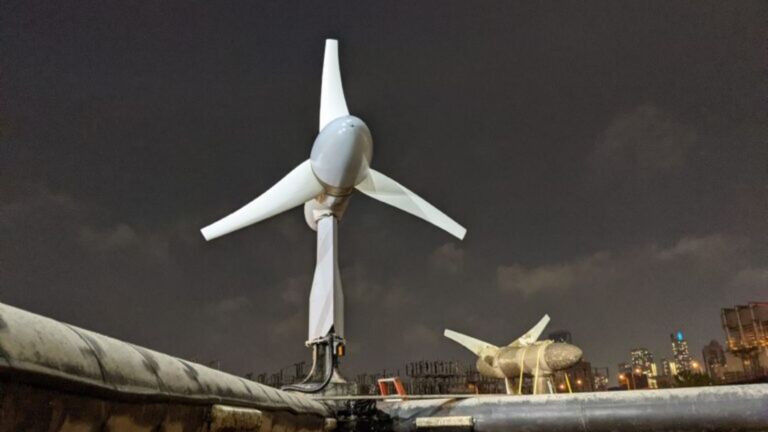
The answer was 63 gigawatts of solar, around 83 terawatt hours a year, enough for roughly 7.8 million homes. Against that, only about five hundred megawatts of landfill solar had actually been built when the count was made, and three quarters of it sat in four northeastern states. The idea also travels well beyond dumps, from parking canopies out to an offshore wind farm.
What grows back on these caps matters too. Mown grass and scrub between panel rows turns into cover, and even a quiet fox can end up living on ground that people avoid.
Where the hill does not work
Not every cap is a candidate, and pretending otherwise would be dishonest. Some settle unevenly for years and would pull an array out of alignment. Some sit miles from a line big enough to take the power. Some hold contamination that makes any work on the surface slow and expensive.
Timing is the other catch. Hartford has an agreement to put an array on the old Leibert Road landfill along the interstate, the mound locals called Mount Trashmore, but that one is signed rather than built.
Middletown finished a smaller version, and the local report from the switching ceremony makes the pattern clear. These projects arrive one hill at a time, slowly, and the national analysis is a map of what has not happened yet rather than a forecast.
Still, the thing works. A hill made of garbage is producing electricity, and the trash underneath it has not moved an inch.
Read the whole thing?
Get the week's signal, not the noise
Our sharpest reporting on energy, climate and nature — free, once a week.