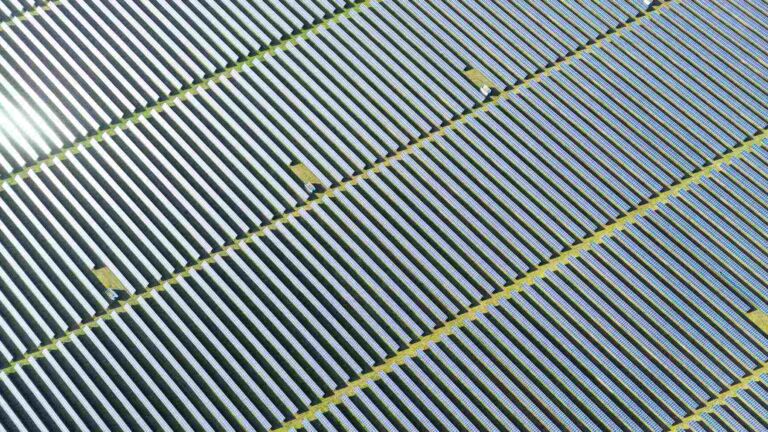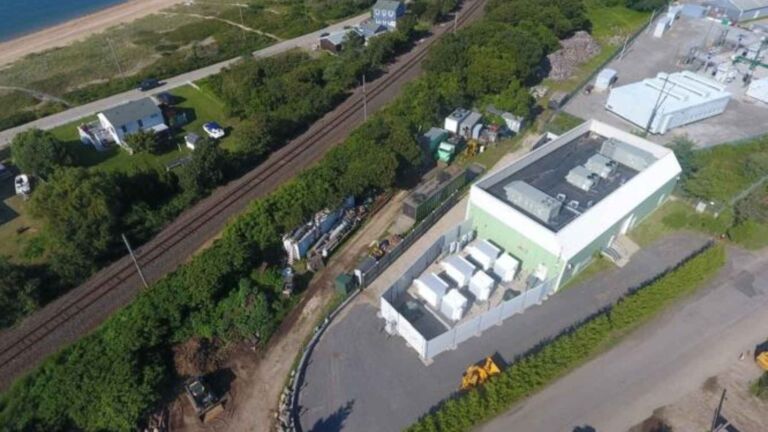
Five solar farms in Arizona, Illinois, and Massachusetts were monitored with automated camera networks for five years between 2019 and 2024.
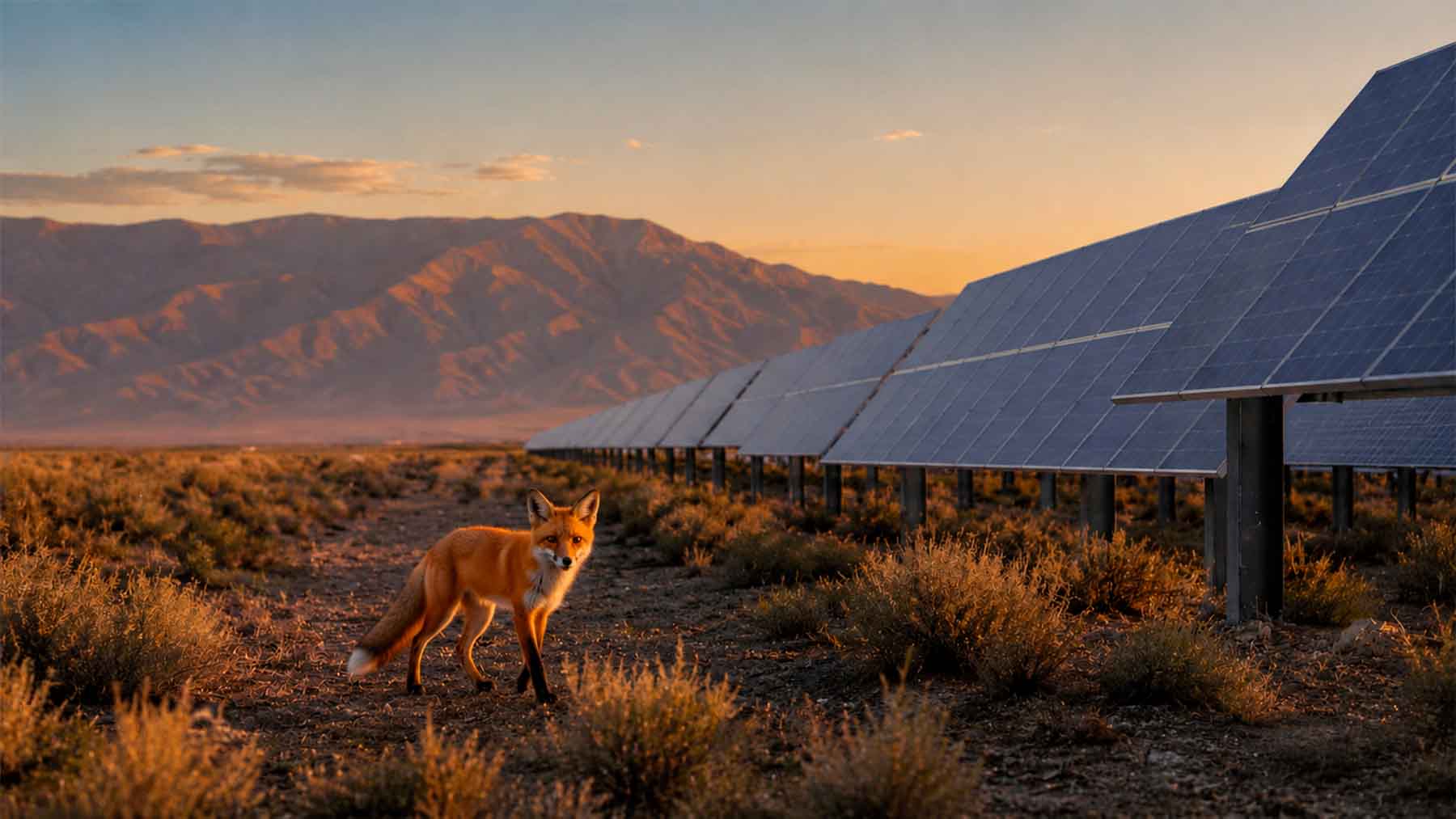
Researchers analyzed thousands of hours of video footage, logging animal events such as young foxes patrolling the panels, groundhogs moving branches, and coyotes carrying prey.
The level of activity in the utility grounds is challenging assumptions about wildlife and industrial interaction. What encouraged the animals to incorporate the grounds into their natural neighborhoods?
How continuous visual surveillance was carried out over multiple states
The Argonne National Laboratory was behind the deployment of computerized vision cameras observing animal interactions across five solar power installations.
The operational sites varied in biome characteristics, namely climate, soil, vegetation, and animal species uniquely adapted to the region. In this study, these biomes were the desert terrain of Arizona, the agricultural plains of Illinois, and the forests of Massachusetts.
The artificial intelligence software processed continuously recorded video offline to help extract wildlife activity while filtering out ambient background movement like swaying grass and shifting shadows.
Traditionally, wildlife tracking and evaluation relied on periodic manual human surveys, using up a lot of man hours.
Samples were limited because monitoring was not constant. The human presence disrupted natural animal movements.
The automated camera systems operated continuously during all daylight hours. While researchers gathered over 19,000 hours of footage between 2019 and 2024, the published study analyzed a processed 4,373-hour subset, yielding nearly 95,000 logged observations across bird, insect, and other wildlife categories.
Variations in wildlife activity linked to the region
Dataset analysis indicated that animal encounter rates varied according to the geographic region and the type of land cover around the installations.
In the Midwest and Northeast, the level of wildlife activity was higher than in the deserts of the Southwest. The landscapes influenced how often the animals were drawn to the perimeters.
The facilities surrounded by agricultural land, forests, or grassland saw more animal activity at the fence lines and on service roads.
Perimeter fencing around electrical infrastructure is standard. These controlled blocks of land span hundreds of acres.
Researchers documented several small- and medium-sized mammal species inside the solar facilities.
The camera logs confirmed that the animals were not simply trespassing accidentally. They were using the solar farms for routine daily activities. Scientists still need to establish exactly how fenced energy plots affect migration patterns.
This requires the expansion of monitoring networks to other solar facilities across varying ecosystems.
Habitat drivers and observational limits of solar installations
This study did not put forth any reasons for the animal behavior. But we can surmise that local animals treat solar energy farms like quiet neighborhoods primarily because the fenced installations combine low human activity, physical shelter, and abundant ground resources.
Perimeter security fences exclude human foot traffic, heavy vehicles, and larger apex predators. Inside the boundary, rows of elevated solar modules create protected microclimates.
Overhead panels block direct sunlight and rainfall, generating cool, shaded corridors that lower thermal stress for resident wildlife.
Ground vegetation growing beneath panel rows retains soil moisture longer than exposed land.
These damp, shaded strips support thriving populations of plants, insects, and small rodents, turning the interior ground into a rich foraging site for omnivores and small carnivores like foxes and coyotes.
Groundhogs and smaller mammals dig burrows beneath mounting structures, utilizing the steel racking as rigid overhead protection against aerial threats.
Observational limits remain
While these multi-year visual records show animals successfully integrating solar infrastructure into their daily routines, researchers note clear observational limits.
The camera network logged daytime activity only, leaving nocturnal wildlife movements unassessed across all five study sites.
Furthermore, fixed camera placements covered specific sample zones rather than complete facility footprints. Continued long-term research across broader seasonal cycles remains necessary to evaluate fully how solar energy development influences regional ecosystem health.
All the study information can be found here: Hamada, Y., Szymanski, A. Z., Tarpey, P. F., & Walston, L. J. (2026). Artificial intelligence-assisted daytime video monitoring for bird, insect, and other wildlife interactions with photovoltaic solar energy facilities. Diversity, 18(2), 95.
Read the whole thing?
Get the week's signal, not the noise
Our sharpest reporting on energy, climate and nature — free, once a week.