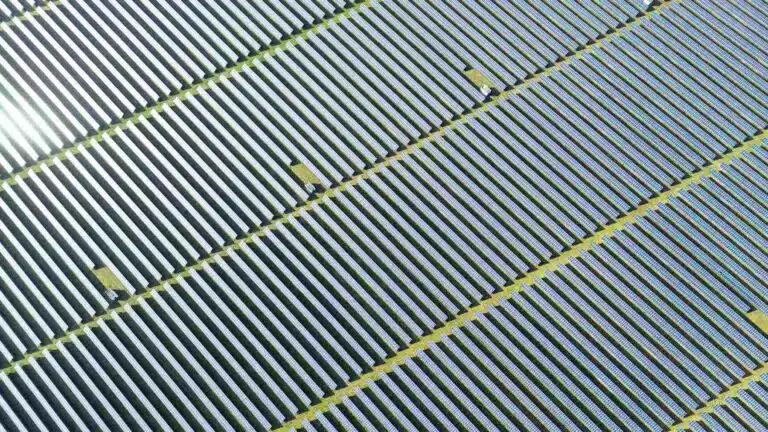
Clean energy projects and turtle habitat protection are usually not seen as being on the same side of a debate.
In Rochester, Massachusetts, however, that debate includes a very different consideration.
Approximately 90 acres of eastern box turtle habitat near the project would be placed under long-term protection. That protected area is twice the size of the solar array.
Commercial projects and large-scale conservation projects rarely get developed simultaneously.
The solar array would feed back into the Rochester substation, which is currently undergoing major upgrades for clean energy projects.
The project would generate power, but that’s only part of the plan
The High St Solar project is proposed for Rochester, Massachusetts.
Plans include building two separate but connected solar array clusters, one of which will contain batteries.
Together, the two solar array clusters will produce enough clean energy to provide electricity to roughly 2,500 homes each year.
This clean energy will come from the sun during daylight hours and be stored in batteries until later when energy usage peaks.
The proximity of high voltage transmission lines already installed along the route provides a simple and safe method to transmit the generated energy to the existing power grid.
However, generating clean energy is just one aspect of why this project is creating such excitement in Rochester.
Not every solar project is measured the same way
Utility-scale energy projects typically have one main factor evaluated for their overall feasibility: how much land does the project cover?
The High St proposal is unique because it embeds a major natural resource commitment into its layout.
Specifically, the project makes a legally binding promise to protect turtle habitat.
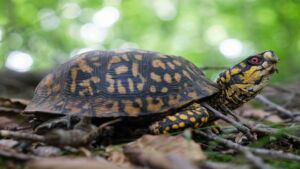
Unlike many similar projects, the protected land will remain adjacent to the solar array instead of being located far away.
Power generation and habitat protection would occupy the same land
According to records filed with state and federal regulatory agencies, the total land used for this project will be approximately 44 acres divided among two array locations.
Much of the project will be built alongside an existing transmission easement and utility right-of-way.
The site will include solar panel arrays, battery units, access roads, perimeter fencing, and centralized electrical equipment.
All vehicles accessing the site will travel on designated gravel drives that were constructed off of both High Street and Mayflower Lane.
To secure all of the battery units and other hardware within the fenced perimeter, a woven wire agricultural-style fence will surround the arrays.
Battery storage still has to clear local review
The next step is to continue through the local municipal review processes as New Leaf Energy advances the project through local approvals.
At those meetings, local officials will evaluate land-use rules, wildlife conservation laws, and battery storage safety.
Many communities express concern regarding battery storage integration.
Key focus areas typically include fire safety protocols, emergency response procedures, and routine maintenance requirements.
All of these safety considerations are part of the town’s formal evaluation process.
Rochester could gain more than clean electricity
If approved by local boards and officials, the array will contribute additional clean energy to the town.
Estimated financial benefits indicate potential revenues exceeding $150,000 annually to Rochester over a 20-year operating period.
By combining solar panels with battery storage systems, the local community will also benefit from a stabilized local grid power supply.
Locally generated clean energy will enable residents to enjoy stable power rates while meeting their demands for power using zero-carbon sources.
Local officials will decide whether the habitat plan survives
Next steps depend on continued local board reviews and public hearings.
At those sessions, officials will decide if the project proceeds as designed and whether to lock in the 90-acre turtle habitat.
Ultimately, this decision will determine if this energy project also becomes a permanent turtle preserve.
Read the whole thing?
Get the week's signal, not the noise
Our sharpest reporting on energy, climate and nature — free, once a week.