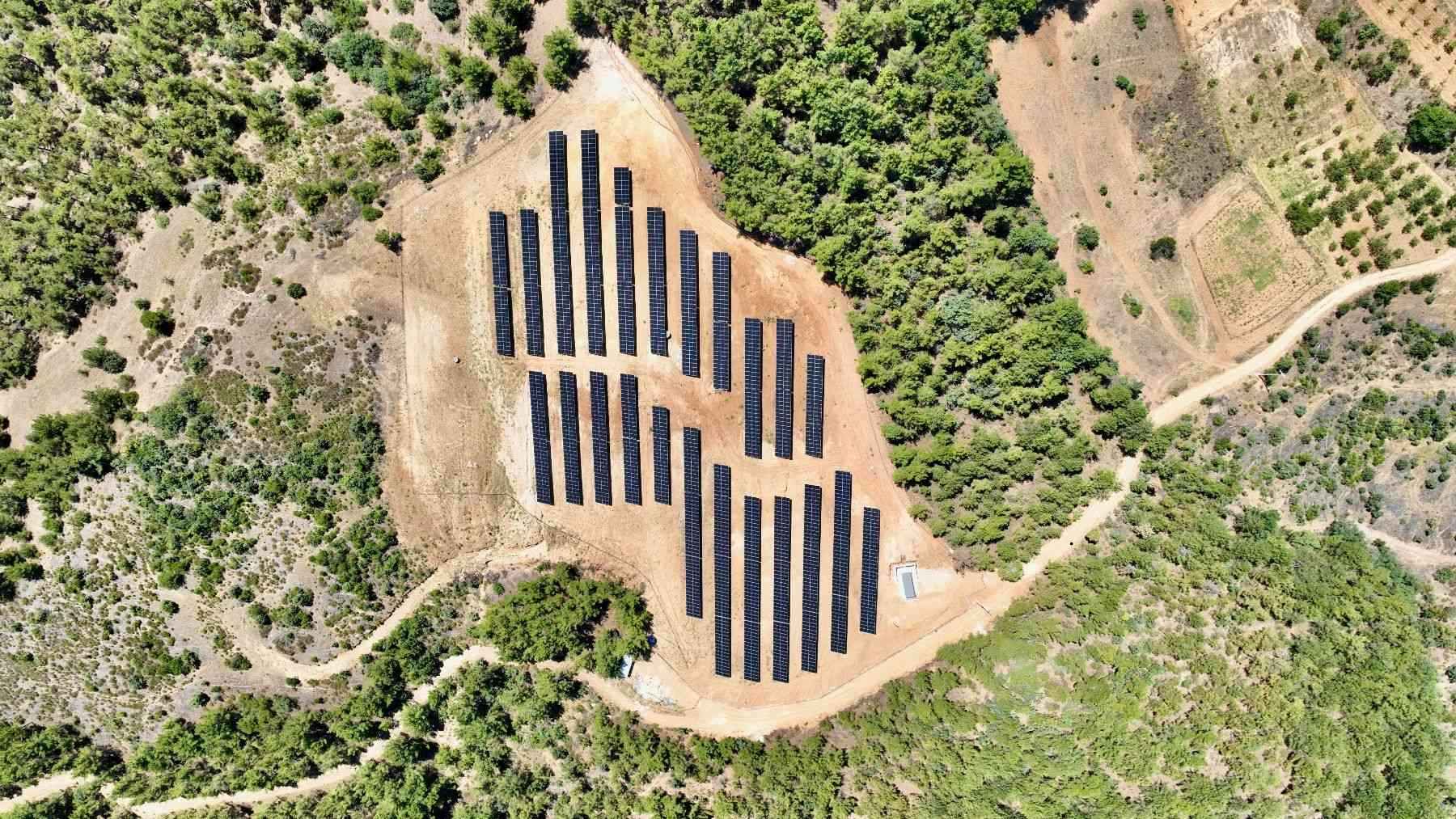
Utility-scale solar energy developments (USSE) are incredible sources for creating alternative energy that doesn’t rely so heavily on the carbon economy.
This is highly desirable in our modern society where sustainability is key.
But do these solar developments have only a positive impact? Many are worried that these facilities may have unwarranted side effects affecting the environment around, which begs the question, “are they worth it?”
The Delicate Balance between Solar and Wildlife
There have been proposals for a number of solar developments in Oregon in multi-use land areas.
While in theory these would be highly beneficial to the power supply in the US, in reality, the implementation of any kind of project in wild areas like the Great Basin needs to consider potential negative side effects and mitigate these as best as possible.
In Oregon specifically, there is concern about the planning of USSEs impacting the migration of certain wildlife. The link between solar developments and migration may not seem quite clear at first, but understanding the connection is important to avoid population declines.
The aim is to continue with USSE implementation for the good of the economy and environment, while not making drastic changes to the wildlife around. A difficult balancing act that requires co-operation from many sources.
What exactly is the issue?
There are a number of big mammal species that live and migrate through the areas where solar development wants to expand. With these developments come fencing, buildings, and other infrastructure that disrupt yearly migration patterns by changing regular routes.
For the mule deer in particular, which can’t easily shift their migratory routes, this could prove a large problem. These habitats are critical for the mule deer, whose numbers are already declining in these crucial areas that solar developments are interested in.
Not just mule deer, but other species are being affected too, as new infrastructure impacts them beyond just the fence line and pushes them away from their usual habitat and closer to highways and other unsuitable areas.
This possibility leads to a conflict of interest as developers seek to implement new solar infrastructure, but wildlife conservation committees are concerned about the declining populations of important species.
While planning their development, energy projects like this need to aim to mitigate negative impacts, which this wind turbine project did really well.
What is being done to balance both solar development and wildlife conservation?
There has been a call to study current migratory patterns in numerous species, including the mule deer, to understand where they predominantly move. This is so that new solar developments can steer clear of these exact locations, but still expand in such desirable locations.
How are these migrations being studied?
Oregon Department of Fish and Wildlife (ODFW) has tagged a number of mule deer to track their movements in order to understand their patterns and inform developments before they begin building. This tracking will not only aid mule deer conservation, but also many smaller species that are part of the same ecosystem.
Facilitated by the University of Nevada, this project of collecting data is integral to solar expansion, where they will be made aware of the critical areas not to develop in. This means prioritising wildlife before building and aiming for conservation of the important migratory areas.
By studying these movements and bringing awareness to the issue, many species’ habitats could be preserved. So, the development of solar energy facilities is not the problem; it’s about where and how they are built. The land is a limited resource, so projects that consider the wildlife around are the ones that are truly better for the planet.
Read the whole thing?
Get the week's signal, not the noise
Our sharpest reporting on energy, climate and nature — free, once a week.