A weld is the joint where two lengths of pipe become one.
A faulty weld in an ordinary pipe is a job for a welder with a torch and a steady hand, not a robot.
But inside a nuclear reactor building, where the standard has to be perfect, a robot might just be the better option.
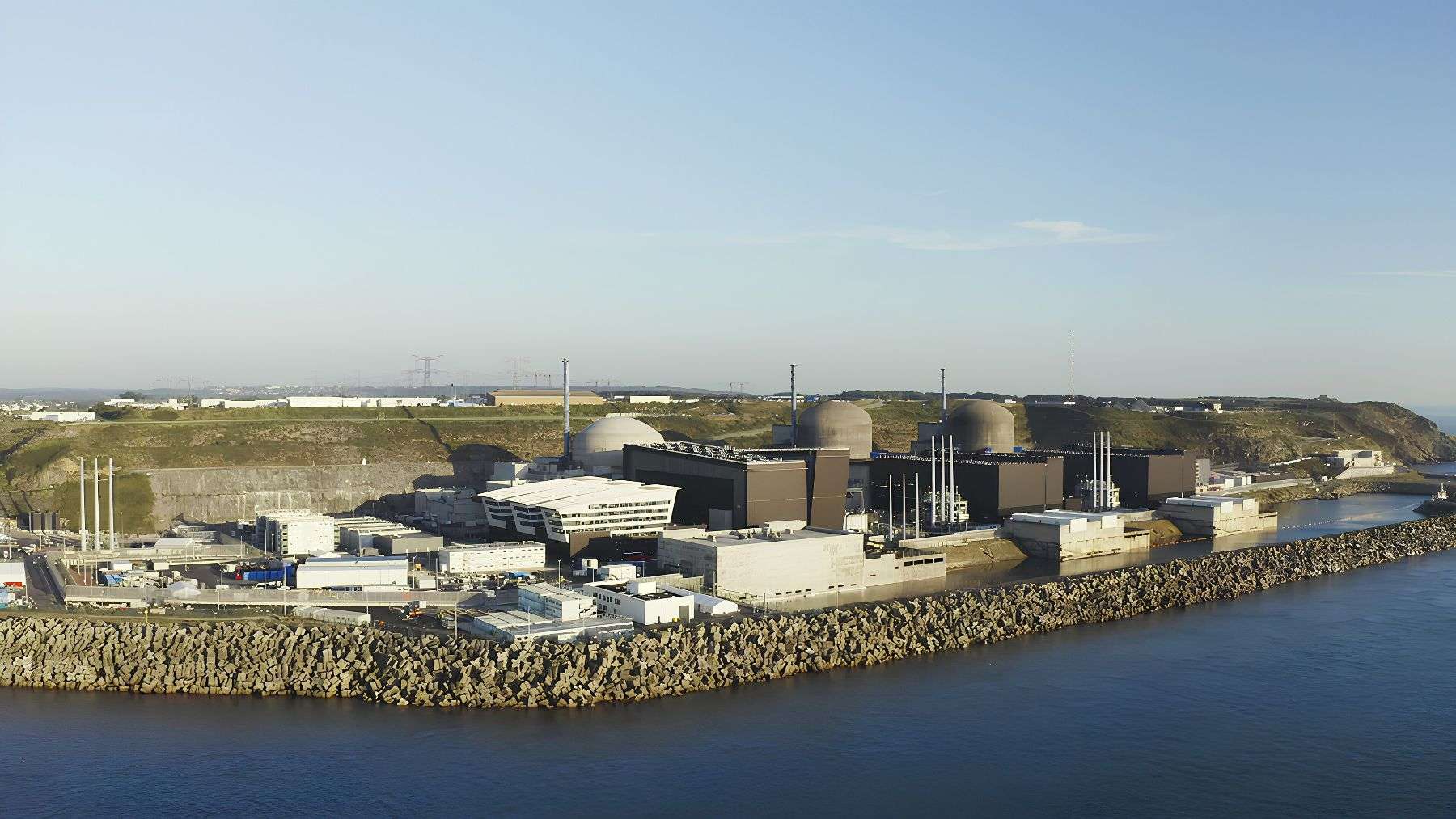
At Flamanville, eight welds did not meet standards. Maybe a robot is required where the standard demands near perfection?
A letter from the regulator
In June 2019, France’s Nuclear Safety Authority, known as the ASN, wrote to EDF about the Flamanville 3 reactor. The letter was dated 19 June.
It asked the company to rework eight welds. These welds sit where the pipes pass through the containment of the reactor building.
The welds did not meet a strict standard called break exclusion, which is meant to make a pipe rupture extremely unlikely.
The reactor was still under construction at the time of the letter, so there was time for improvement of these welds.
On site, the second phase of the hot tests began on 21 September 2019. These tests check the installation under normal operating conditions to make sure things are as safe as possible.
Before this, EDF was already reworking 58 welds on the secondary circuit that showed further quality deviations or did not meet the same standard.
But sometimes, unforeseen circumstances like this occur to nuclear plants, which no one could have predicted.
A standard set very high
Break exclusion is a very high quality standard. It goes beyond the regulations that normally apply to such equipment.
It demands better design, manufacturing, and in-service monitoring for certain components. The aim is to make a rupture of that equipment extremely unlikely.
Because these pipes are built to such a high standard that a break is treated as extremely unlikely, engineers are actually allowed to skip the full study of what would happen if one broke.
At Flamanville, EDF assessed three scenarios for the rework. On 4 October 2019, the regulator wrote back to EDF, giving its view on whether each of the three rework options could actually be done.
EDF favored one scenario and kept a second as a fallback. The fallback involved extracting the welds and reworking them in the safeguard auxiliary buildings.
A few days later, EDF’s Board of Directors approved continuing construction.
An unexpected rework option
The company had to move the expected fuel loading to the end of 2022. It raised the construction cost estimate to €12.4 billion, an increase of €1.5 billion.
The preferred scenario was the use of remotely operated robots. They were designed for operations of very high precision inside the pipes concerned.
This would be the most feasible option where perfection is the standard.
By January 2022, the work on the welds had been completed and had gone well. Électricité de France called these welds the most complex part of the rework. It also described the work as a first for industry.
By this time, the plant’s staff had also completed more than 55,000 document checks and inspections on over 7,000 items important to safety.
Passing this first rework test removed a big obstacle to operation, but it did not finish the project. The rework of the welds on the main secondary circuit was still to be completed.
At least now there is a tried and tested robotic method to meet the high standards.
Robots are also being used in other dangerous scenarios like this, where humans cannot quite meet the standards. Now, attention turns to the remaining tests and approvals before any fuel can be loaded. For now, the reactor’s start depends on those last steps. But safety in these projects will always come first.
Read the whole thing?
Get the week's signal, not the noise
Our sharpest reporting on energy, climate and nature — free, once a week.