Dams often operate without incident for years before an inspection reveals an issue dating to their inception.
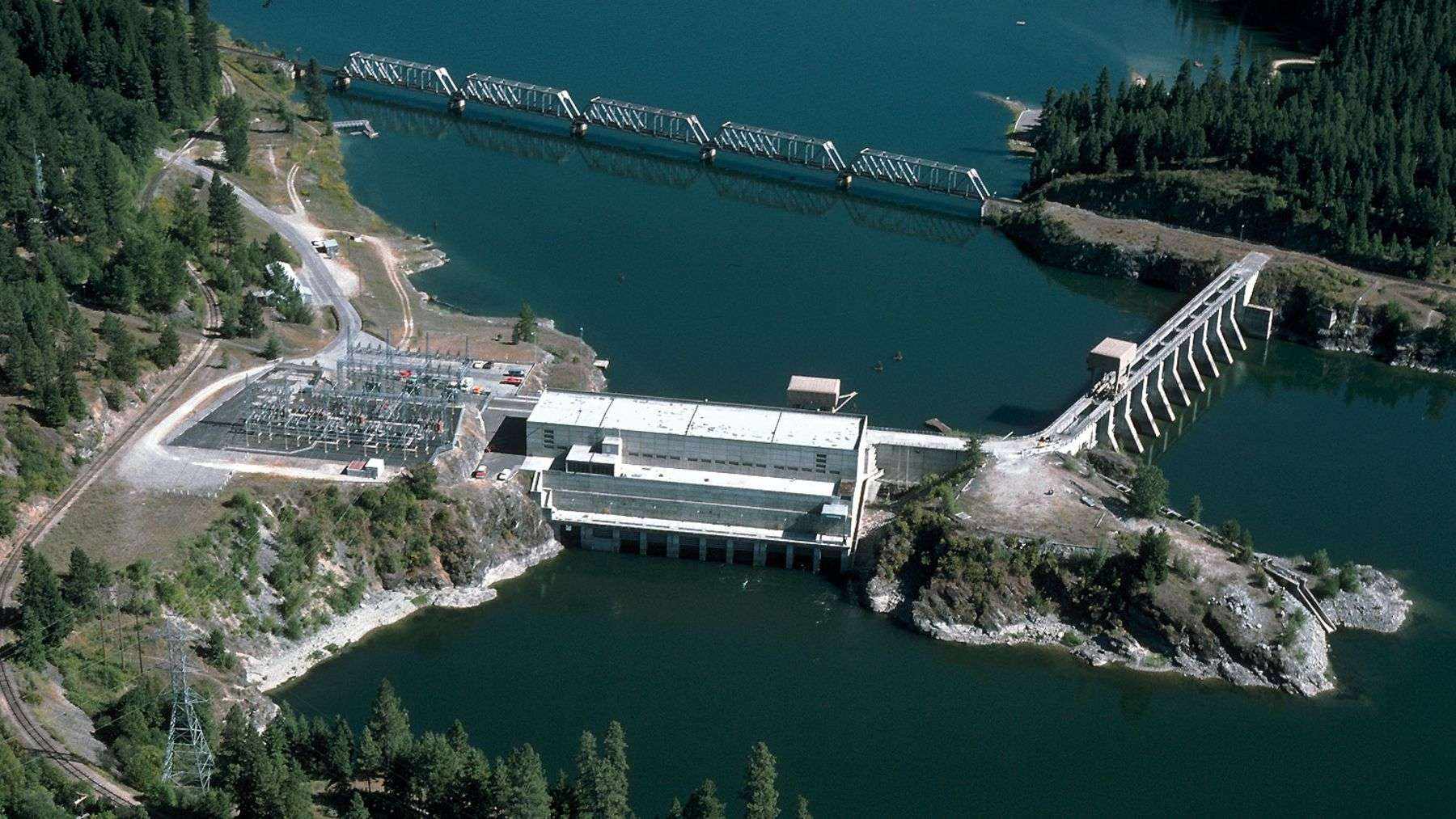
This was the case with Albeni Falls Dam in North Idaho. An issue originating at the time of manufacture required the dam to be operated differently.
The dam did not stop operating, but this required further consideration of how it could continue to function.
There were two broad approaches to this: repairing the existing equipment or replacing all spillway gates.
Composite layers restored critical operating flexibility at the dam
Gate 3 was found to have compromised steelwork following inspections.
Operating procedures at the dam were amended so that spillway gates were either fully open or closed, minimizing operation at other settings.
However, further operating range was desired pending a long-term fix, which led the team to explore using composite materials.
Composite materials can provide significant strength to the affected element, acting as an effective ‘permanent’ repair.
As the spillway gates cycle and water passes through them, they are continually subjected to loads.
A single gate affected far more than operations
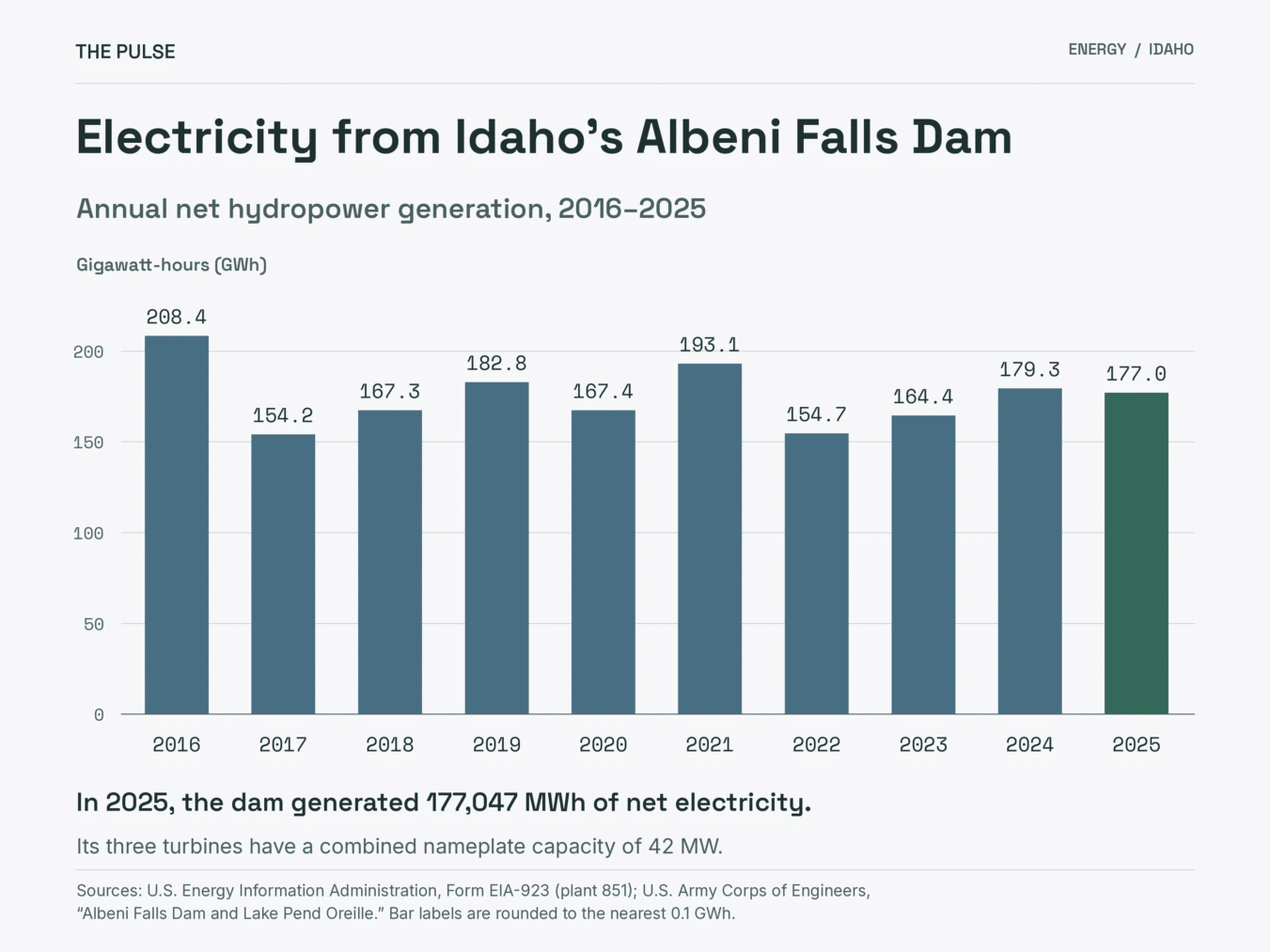
The Albeni Falls Dam has multiple roles, including flood risk reduction, hydroelectric energy, leisure, passage, and environmental stewardship.
In most cases, water elevation at the dam will need to meet these various objectives.
During high flows, the surrounding population requires a safe level. Conversely, higher water levels can provide greater opportunity for leisure users in the warmer months.
Furthermore, there are dependent sites further down the river chain.
By controlling the volume of water held at Albeni Falls, further hydro schemes on the Pend Oreille and Columbia can be supported.
Consequently, any limitation to the performance of individual elements of the spillway has implications beyond just that item.
Repairing one gate left larger questions unresolved
As reported by the U.S. Army Corps of Engineers, the defect was identified during inspections in April 2024. This prompted the change to the current operating regime at the site.
A repaired spillway gate was delivered to the dam on 12 May 2025.
The remediation comprised an overlay of composite resins, bonding agent, and epoxy.
Works commenced in early June and concluded by the end of July, allowing the spillway gate to be re-commissioned.
Whilst this enabled increased operating options, there remained the question of the condition of the other spillway gates.
Missing records complicated decisions about future replacements
Information from the original manufacturer does not provide sufficient clarity.
Defects in the material supplied can, of course, be flagged.
But what effect may have the manufacturing processes used 70 years ago had on the remainder?
It is difficult to obtain complete information on historical techniques or the extent to which they were applied. Ultimately, this led decisionmakers to consider replacing the full complement of spillway gates.
There are some levels of risk that cannot be mitigated by targeted remediation.
Funding agreements shaped major decisions beyond engineering
Naturally, a project of this magnitude involves a number of additional considerations beyond the purely engineering aspect.
In particular, the Bonneville Power Administration was involved in developing the overall plan and securing funding for the works.
Equally, the various State, Tribal and Community representatives needed to be kept informed of the proposed action. There was therefore a need for concurrent progress across a range of disciplines.
Replacing uncertainty became the larger long-term goal
Following the award of the works package to replace the spillway gates, attention turned to installing the new assets.
The initial spillway gate is anticipated to arrive in 2027, with subsequent units scheduled at six-month intervals.
This should permit the continued safe operation of the dam throughout the installation program.
After 70 years of service from the existing spillway gates, it will be interesting to see if the newly fabricated items can continue this legacy.
Read the whole thing?
Get the week's signal, not the noise
Our sharpest reporting on energy, climate and nature — free, once a week.