
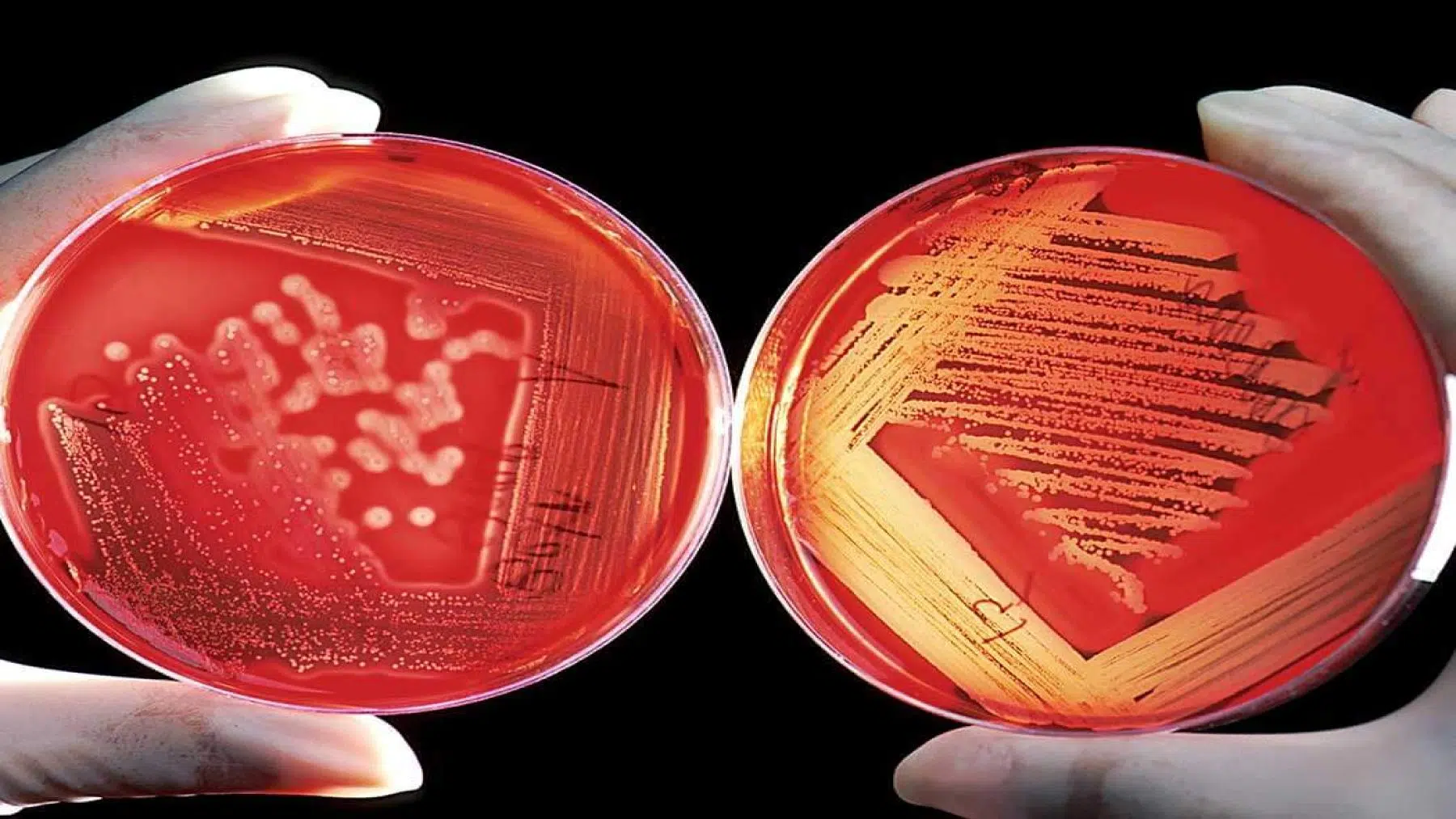
Medicine is evolving at a breakneck pace, but even with all the advances in research, some things, like blood, can’t be adapted – or at least they thought. Now, scientists have created an artificial blood that could be compatible with every human being. If a transfusion is needed, a specific type of blood is required, but hospitals don’t have an infinite stock of type O-negative, which can be transfused to any person. According to the American Red Cross, only 7% of the global population has this type of blood.
Accessible blood stock is only available in wealthy countries
Throughout the years, trials to explore the use of artificial blood have been supported by governments and private sector companies – mostly in the U.S. and U.K. Meanwhile, on the other side of the world, Japan has made significant improvements in the research to find ways of reducing problems caused by blood shortages, a problem affecting millions of people around the planet.
The World Health Organization (WHO) estimates that 118 million blood donations are made every year. 40% of those come from high-income countries – home to 16% of the world’s population, which means that a large portion of the global population has limited access to blood transfusion treatment. The creation of an artificial blood could reduce deaths related to surgery complications and childbirth, making it available in situations where conventional blood is scarce.
Artificial blood is officially going under tests
According to the Kyodo News, at the Nara Medical University in Japan, a trial administered 100 to 400 milliliters of artificial blood in 16 healthy adults in March. The next step of the process is to see if the tests have any side effects, and if it’s all clear for the researchers, the trial will shift to examining the efficacy and safety. After that, the next stage is to put the cells under real-world situations.
The scientist responsible for the research is Hiromi Sakai. In his personal website, he stated that the use of manufactured blood would solve problems present in the traditional blood transfusion system, including the “possibility of infection, blood type mismatching, immunological response, and short shelf life”.
The blood made in the laboratory is created through the extraction of hemoglobin from expired donor blood. This protein – which contains iron that facilitates the transport of oxygen in the blood cells – is the key to making everything possible. After extracting the hemoglobin, it’s then encapsulated in a protective shell in order to protect it from viruses and create a stable environment for the synthetic blood.
The body could fight against the hemoglobin
One of the main reasons why a blood imitation might not work is the body’s self-defense system. When it detects something that’s not natural to the system, it immediately starts taking defense measures, which causes high fevers – the body elevates the temperature inside in order to kill any type of virus. On the other side, since the scientists are using hemoglobin, it would be easier for the body to adapt and not attack the protein, but there are different types of it. The research does not specify what type was used in the trials.
Artificial blood has been under study since 2022
For now, the artificial blood cannot substitute entirely the blood inside the body, but would be a major advance when someone is suffering from blood loss or their system is not producing enough to cover the loss in surgery or an accident, where blood loss can happen, leading to a sudden death. Small-scale studies about ‘fake’ blood began in 2022. Three groups of healthy male volunteers between 20 and 50 years received a single intravenous injection of hemoglobin vesicles. Some of the participants experienced side effects, but no significant changes in blood pressure and vital signs were observed.
Read the whole thing?
Get the week's signal, not the noise
Our sharpest reporting on energy, climate and nature — free, once a week.


