Conditions on the White River below Beaver Dam have recently drawn attention from both anglers and dam managers. Anglers are spending more time on this stretch of river because of the favorable cold-water conditions. At the same time, there is an issue with the upstream side of the dam.
Maintenance work has left the dam’s hydroelectric units unable to operate, even though they normally supply water to the river.
The dam also had to meet requirements for the amount and quality of water released downstream.
So, what is the solution?
Shutting down the turbines did not stop the releases
Normally, Beaver Dam provides water downstream via its hydroelectric units. These facilities provide electric power while also helping meet downstream fish-water and water-quality requirements. Both hydroelectric units were taken offline for maintenance.
Those releases support fisheries downstream of the dam. Stable water temperatures are essential for those fisheries throughout the year.
Changes in release patterns can affect conditions throughout that section of the river. Beaver Lake supplies the cold-water releases needed to support those fisheries.
According to the U.S. Army Corps of Engineers, fish-water requirements begin May 1st.
Those requirements still had to be met through releases from Beaver Dam, even though the hydropower units were not operating.
While supporting downstream fisheries and controlling lake levels at Beaver Lake, the District had to find another way to release water into the river.
The dam needed a different way to move water
Water releases from Beaver Dam usually occur through the hydroelectric units. Because both units were out of service, the Corps needed another way to keep water flowing downstream. During this time, the US Army Corps of Engineers Little Rock District worked with the Arkansas Game and Fish Commission under a deviation that allowed alternate release methods.
Officials indicated that periodic releases could continue after the flood pool was drawn down if the hydroelectric units remained non-operational. The deviation applied while fish-water requirements remained in effect.
Officials said those methods could remain available until repairs were completed.
Water releases at the dam directly affected downstream conditions. Both water conditions and fishing activity reflected those releases.
According to the Northwest Arkansas Democrat-Gazette, anglers were seeing the results of those decisions in the river below Beaver Dam.
Releasing water without the turbines became the primary operational problem.
Anglers and river managers were watching the same situation from very different perspectives.
The conduit became the backup plan
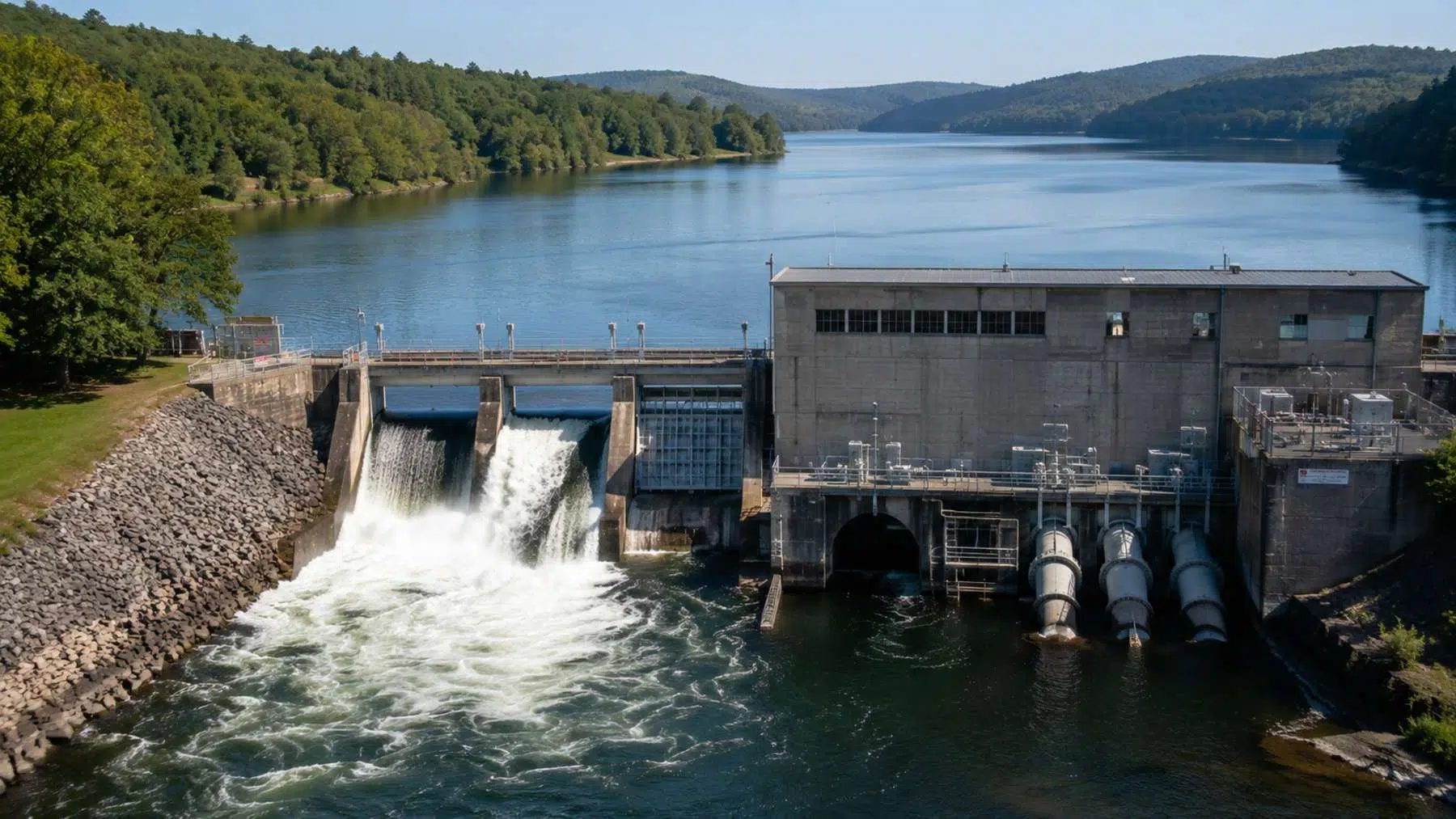
Utilizing the dam’s conduit provided the answer. On May 14th, the U.S. Army Corps of Engineers announced that the Beaver Lake Project Office would open the conduit at Beaver Dam. Releases would take place from 10 a.m. to 5 p.m. to draw down flood storage and to support downstream fisheries.
Water releases normally occur from the hydroelectric units. Since both units were unable to operate, the Water Control Section opened the conduit.
If additional releases were needed, it could also use the spillway to meet downstream water-quality requirements and support the fishery.
Corps officials said conduit releases would not exceed 5,000 cubic feet per second, matching normal flows when all generating units are operating.
Releasing water via the conduit created an alternative path for water to enter the river while the turbines were not operational.
The effects showed up in the trout fishery
Those releases helped maintain the cold-water conditions that trout rely on below the dam. Fishery support continued even while the normal release method was unavailable.
As long as the hydroelectric units remain non-operational, alternatives like conduit or spillway releases may need to continue.
Those alternatives could remain available until normal operations resume.
Managers elsewhere are also adjusting dam operations to support trout and other migrating fish.
Read the whole thing?
Get the week's signal, not the noise
Our sharpest reporting on energy, climate and nature — free, once a week.