
BMW and Toyota have a current collaboration that equips the Supra with a turbocharged 3.0-liter engine. However, that version is nearing the end of its production. While the engine’s future replacement remains a secret, one thing is certain: the Supra badge isn’t going anywhere. Despite the industry’s clear shift toward SUVs and increasingly strict emissions regulations, Toyota continues to show interest in keeping the sports car segment alive, but the world will need it to be adapted.
Sports cars are still a thing
The sports car industry is no longer a dominant category, but the Gazoo Racing division looks prepared to challenge rivals like BMW M, Audi Sport, and Mercedes-AMG. The strategy seems to center around giving top performance at a more accessible price point—leaving Lexus to take on premium German competitors in the higher-end market, which itself is about to face even stiffer competition.
As the most important automakers make their projects to help reduce carbon emissions, Toyota is working on two fronts: performance, with normal combustion engines, and getting away from the pollution caused by the brand. BMW and Toyota are partnering once again, as they aim to land one of the most impactful projects to help in a carbon-free emission world.
BMW and Toyota partnership to build a new fuel cell system
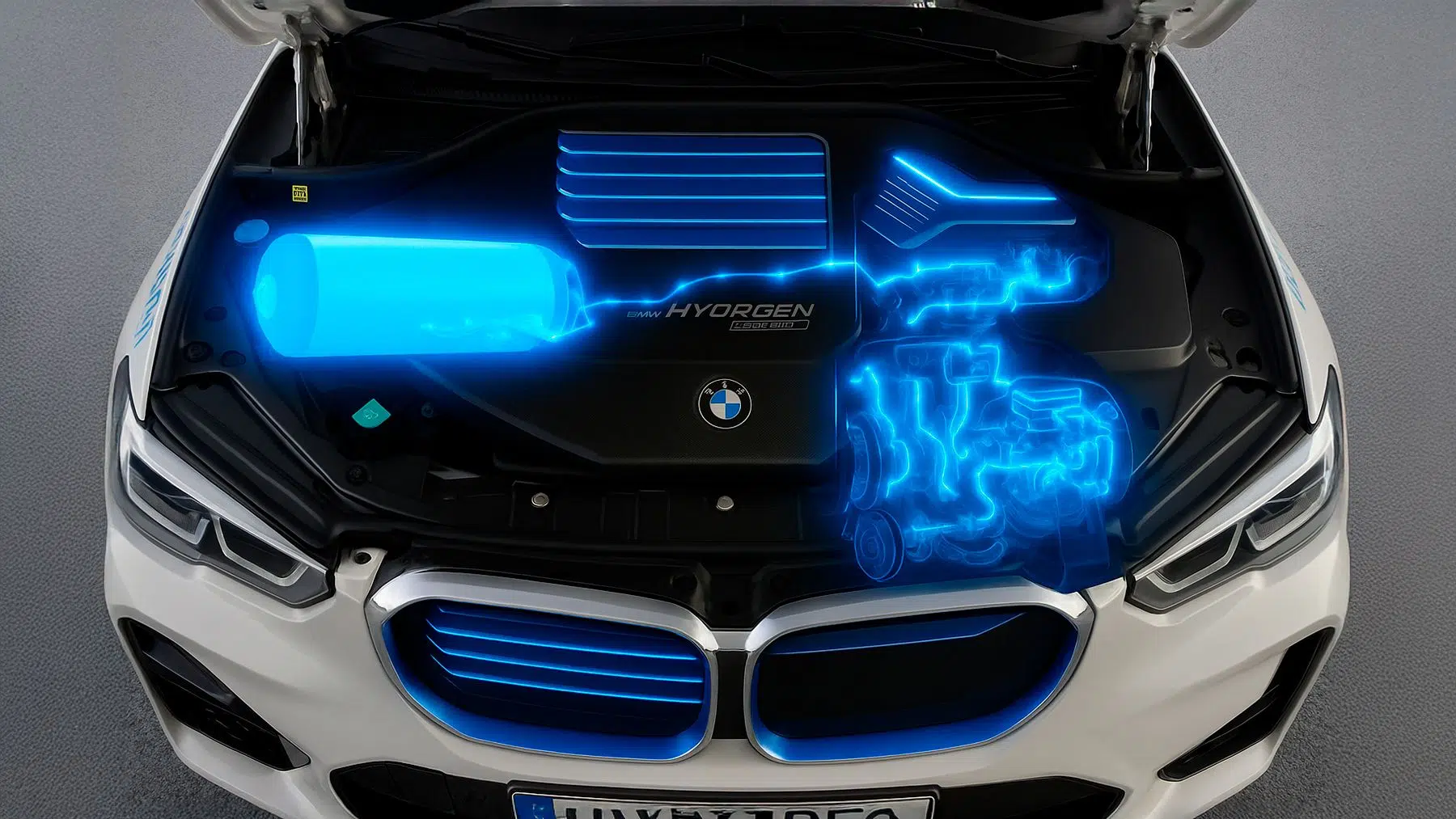
BMW and Toyota are stepping up their partnership to expand the lineup of fuel cell passenger vehicles by jointly developing a next-generation fuel cell system and collaborating on infrastructure development.
The two automakers recently signed an agreement to strengthen cooperation in the hydrogen sector, aiming to build a hydrogen society and push toward full carbon neutrality. Together, they will focus on advancing fuel cell system technology and improving the infrastructure needed to support hydrogen-powered vehicles.
This partnership builds on over a decade of collaboration that began in December 2011, when BMW and Toyota first agreed to work on environmental technologies, including fuel cells and sports cars. United by a shared vision of realizing a hydrogen society, both companies are accelerating innovation in fuel cell systems. The infrastructure in Europe and Asia is more developed for hydrogen to be used. In America, not so much.
Which cars will run with the new fuel cell?
Their joint development of a next-generation fuel cell system will be used in both BMW and Toyota models, broadening consumer access to fuel cell electric vehicles (FCEVs). BMW plans to introduce its first mass-produced FCEV by 2028, marking a major milestone for the partnership.
In addition to technical development, the companies will collaborate on procurement and powertrain integration to reduce costs, aiming to make FCEVs a more affordable and good option. By driving demand and expanding the market for commercial and passenger FCEVs, the partnership will play a key role in building a hydrogen-powered society.
Both BMW and Toyota recognize that cooperation with like-minded partners is essential to scaling hydrogen adoption. They plan to foster early-stage demand clusters by working closely with hydrogen producers and refueling infrastructure companies to ensure a stable, cost-effective hydrogen supply.
Koji Sato, President of Toyota, highlighted the long-standing partnership and shared values between the two companies, noting their mutual dedication to technological openness and pursuing multiple paths to carbon neutrality.
BMW’s vision on the project
Oliver Zipse, Chairman of the Board of Management at BMW AG, described the development as a historic step in automotive history, noting that the upcoming series production fuel cell vehicle will showcase how technological progress is paving the way for future mobility.
Hydrogen remains a cornerstone of Toyota’s carbon neutrality strategy, with the company advancing initiatives across the entire hydrogen supply chain—from production and transport to storage and use—through partnerships with various automakers.
Our coverage of events affecting companies is purely informative and descriptive. Under no circumstances does it seek to promote an opinion or create a trend, nor can it be taken as investment advice or a recommendation of any kind.
Read the whole thing?
Get the week's signal, not the noise
Our sharpest reporting on energy, climate and nature — free, once a week.


