
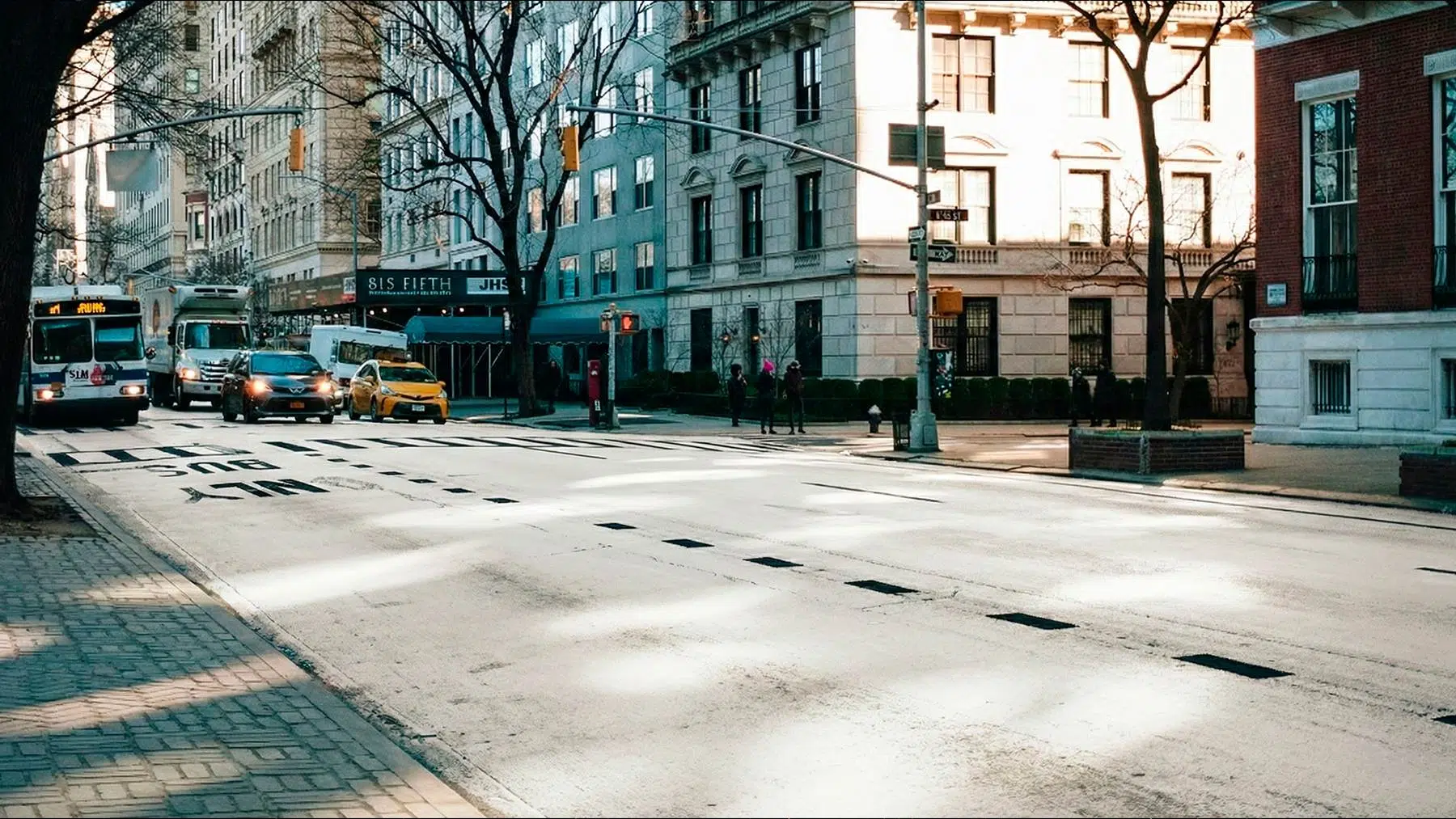
We love a white Christmas as much as the next person, but wintertime makes traveling, especially over long distances, more dangerous. To ensure your safety, as well as that of passengers and other road users, you must be made aware that the color of the asphalt is changing, increasing danger every winter. In some states, traveling by car may be even colder this year, so if your vehicle is not properly equipped, traveling this season may not be the best idea. Discover more of this unusual change below.
The color of the asphalt is changing in some states
Thanks to climate change, the Earth’s temperatures have been rising, and as a result, various regions worldwide are experiencing significantly higher temperatures than usual, especially over the summer. However, have you ever noticed that cities in particular are usually hotter than the open, rural areas? The reason behind this phenomenon is also the reason why some states are changing the color of the asphalt.
This phenomenon is called the “urban heat island effect.” Basically, major cities throughout the U.S. have thousands of miles of asphalt. The darker color of asphalt that we are accustomed to absorbs from 80% to 95% of sunrays, which results in hotter roads and inevitably hotter surroundings. According to the U.S. Environmental Protection Agency (EPA), the urban heat island effect results in daytime temperatures about 1–7°F higher than temperatures in outlying areas.
In an attempt to cool down cities’ temperatures, some states have been changing the color of the asphalt to white.
In winter, this could be dangerous for road users
While Europe is debuting highways paved with solar, some states in America are debuting whiter asphalt. According to a CBS News report, some of the primary states that are especially addressing the higher temperatures by painting the asphalt include:
- Arizona – such as Phoenix
- California – such as Los Angeles
- Texas – such as San Antonio
Los Angeles has been using GuardTop’s CoolSeal reflective coating, which renders roads to appear whiter. White asphalt helps to cool the surroundings by reflecting between 60 and 90% of sunlight instead of absorbing it. As a result, city slickers consume less energy in an attempt to cool down, saving them and the city some money.
The City of Phoenix has also implemented a cool pavement program and added water-based asphalt topcoating to its existing asphalt pavement. As per the City of Phoenix website:
“It contains no harmful chemicals and is compatible with traditional asphalt.”
Changing the color of all asphalt indefinitely may not be a good idea
While this is highly beneficial during the summer, it becomes dangerous in the winter. Darker, warmer asphalt typically prevents roads from becoming icier and more slippery. In winter, these whiter asphalts result in more snow or ice sticking to the roads, not only making the road behind your wheels colder, but also decreasing overall road safety.
Experts have been evaluating the overall benefits of whiter asphalt, especially when applying it to pavements in certain areas. According to the Arizona State University research participant, David Sailor:
“A playground is a perfect example of something that would not be a good idea. A marathon route, probably not a good idea.”
The overall verdict would be that changing the color of asphalt can be beneficial for some cities in U.S. states that are prone to heat waves. However, changing the asphalt’s color across the U.S. indefinitely is certainly not a good idea, especially in states where snowfall is inevitable in the colder months, as traffic safety will become an increasing problem. Remember, if you are visiting one of these states this winter, please be careful. Several states have been prioritizing road safety, which is why you can expect a lower speed limit in some cities.
Read the whole thing?
Get the week's signal, not the noise
Our sharpest reporting on energy, climate and nature — free, once a week.


