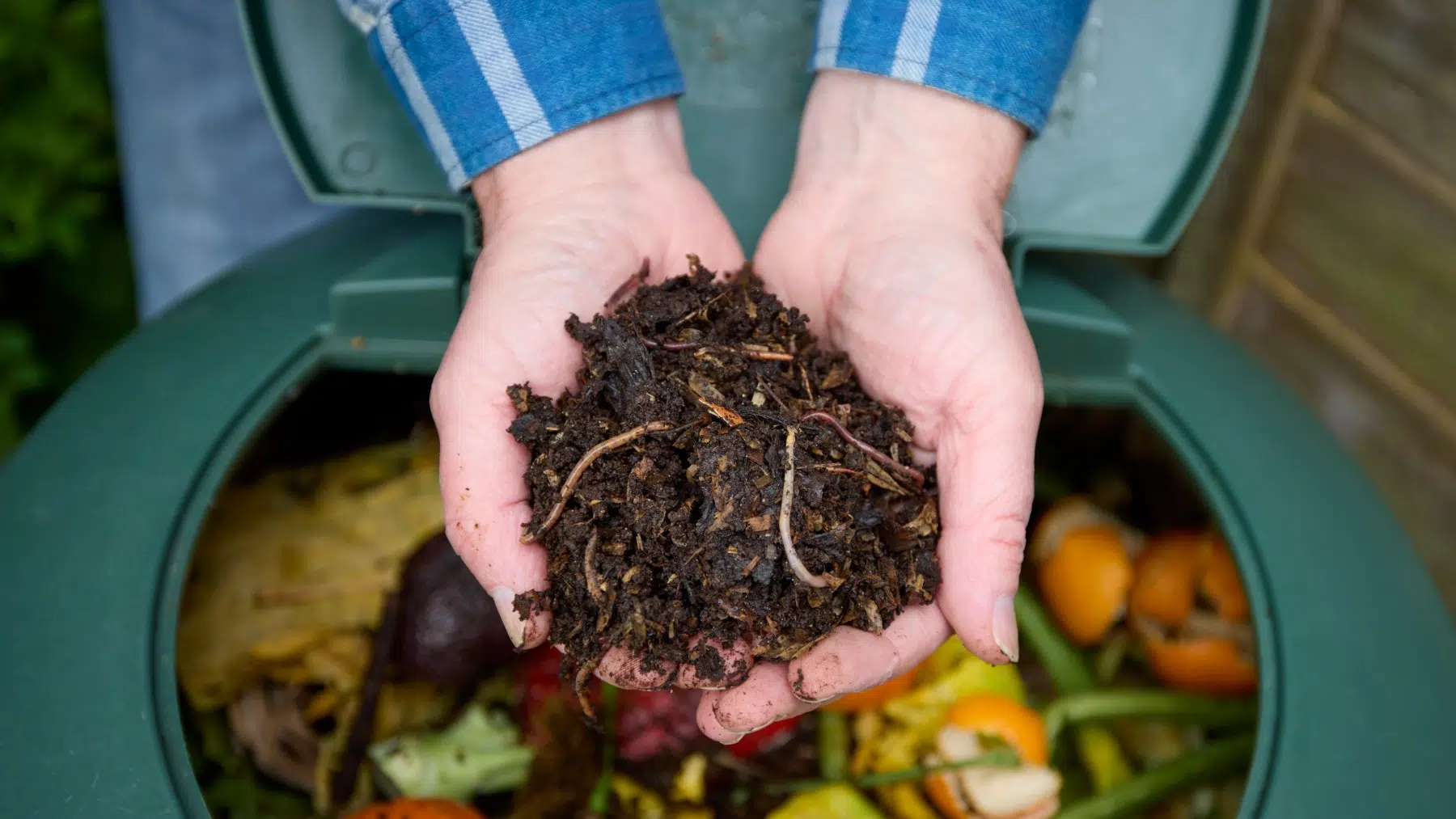
Those looking to throw their rotten apples away in and around the Big Apple should take notes, as the city of New York is making composting mandatory from April onwards. Not only will composting become compulsory, but penalties for failing to compost are going to increase more than tenfold. New Yorkers could face a landfill worth of fines if they don’t abide by the new municipal laws set out by the New York City Department of Sanitation, so here’s what to look out for.
Municipal mandated composting in New York City. What you need to know
Across the USA there has been a growing push towards responsible waste management, with New York City joining the wave with an aggressive mandate which takes effect on April 1st. Apartment buildings that fail to properly split their compostable waste from their other trash will be left looking like April’s fools when they receive fines.
The fines for this offense are being hiked dramatically, rising from $25 up to $300, signaling the city’s intent to curb poor waste management. Sanitation Commissioner Jessica Tisch has endorsed the mandate, stating:
“I think it’s going to become one of the hallmarks of modern cities.”
Composting solves a methane problem
Many New Yorkers might see this as just another way for the city to take more money out of their pockets, but there is a good reason to take composting seriously. When organic waste, which includes everything from leftover fast food to fruit scraps, decays in landfills, it produces methane, which is one of the more potent greenhouse gases.
The city that never sleeps gets a wake-up call
Despite these efforts, the city has several hurdles to clear before New York’s marathon toward a greener future is won. Firstly, the city has to ensure that every resident has a composting bin. This is a major undertaking for a city that is home to over 8 million people, many of whom live in tall apartment buildings. The next area of concern is the city’s capacity to process all of the organic waste.
Currently, the city that never sleeps is in for a rude awakening as New York’s infrastructure is not yet ready to compost all of the new organic waste. The last thing the city needs is another headache related to waste. Tisch noted this concern, stating “New Yorkers have been clear: they’ve had enough of the black bags occupying our sidewalks, enough of the oozing garbage juice, and enough of being told that other global cities can have something that we can’t.”
Clues from California composting
New Yorkers can look to their West Coast countrymen for some clues on how this mandate could work, and how it could fail. In 2016, California enacted similar compost regulations which were aimed at cutting organic waste in landfills by 75% from 2014 levels by 2025. That deadline is around the corner and recent data has suggested that the state is nowhere near achieving its goal.
A June report from CalRecycle, the agency responsible for enforcing SB 1383, revealed that between 2014 and 2021, landfill-bound organic waste decreased by just two million tons, dropping from 21 million to 19 million annually.
The long-term benefits of composting are significant
There are also some positives from California, particularly in San Francisco, where clues to the long-term potential of New York’s plan can be found. Over 500 tons of organic material is collected in the city every day, producing over 2.7 million tons of compost since the program kicked off.
New York’s push for composting is a crucial step toward reducing landfill waste and improving sustainability. However, challenges like inadequate infrastructure, public participation, and logistical hurdles slow progress. While necessary for a greener future, the city must address these obstacles through better funding, education, and policy adjustments to make large-scale composting a lasting success.
Read the whole thing?
Get the week's signal, not the noise
Our sharpest reporting on energy, climate and nature — free, once a week.