The Andes are giving up ghosts.
Researchers just collided with a biological impossibility in the mists of Peru. For decades, this creature only existed in dusty museums and records of the dead.
It was gone—until something sleek cut through the water.
This discovery shatters the timeline of extinction, proving that secrets still exist in the shadows.
What is that “extinct” something that’s come back to life?
The ghost in the Andes: How this discovery defies time
The silent peaks of Río Abiseo National Park are good at hiding secrets.
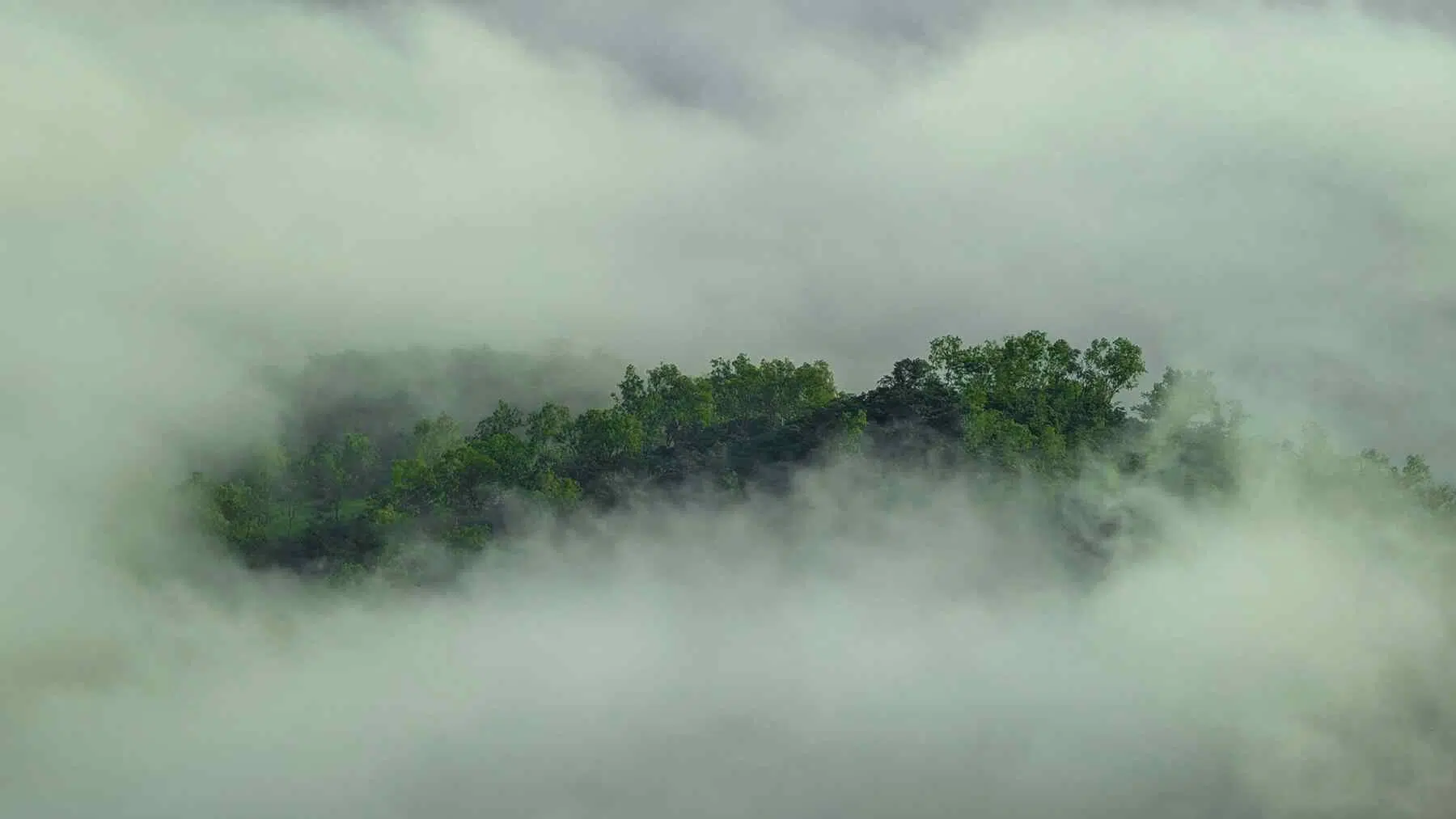
The Yungas cloud forest high in the Peruvian Andes is a maze of blanketing mist and freezing streams.
Something as basic as visibility is a constant battle.
Tiny movements in this landscape vanish in seconds. The forest is a perfect sanctuary for species masking themselves from the modern world.
A research team entered this remote wilderness expecting to do their job as normal. Instead, a biological puzzle emerged.
The clues weren’t dramatic.
They were subtle traces left near the edge of the water and along isolated slopes.
Studying the inhabitants of this area was once deemed impossible because it’s so disconnected from the outside world.
The team realized they weren’t just looking at a local animal. A familiar silhouette became clear.
The thing is, this is a creature from the history books. What was lying low in the mist?
The blueprint of a ghost: Decoding the museum’s secrets
It took a journey into the past to identify the shadow in the mist.
Scientists worked for years, comparing the Peruvian evidence against museum specimens that had been all but forgotten.
They went deep into the archives that guard the DNA of the Earth.
A gauntlet of genetic analysis and detailed anatomical study must be navigated to confirm a discovery like this.
Skulls, teeth, and skeletal structures were meticulously scrutinized. Every millimeter matters when defining a new branch of life.
Their focus shifted to a specific group of water-adapted mice known as ichthyomyines.
These creatures are evolutionary marvels, designed to live in the spray of the cloud forest.
DNA sequencing was the catalyst for the breakthrough, and the mystery animal was tied to the genus Incanomys.
This lineage had previously been believed to be a lonely branch on the tree of life. It turns out that a hidden survivor has been thriving in total isolation all this time.
The forest had preserved something the rest of the world had written off.
The study, “A New Species of Incanomys (Rodentia: Cricetidae: Sigmodontinae) from the Yungas of Peru,” published in BioOne Complete, has given the answers.
The return of the Incan survivor
The mystery in the mist finally has a name.
After years of rigorous study, researchers confirmed the impossible. The “extinct” shadow is a brand-new species.
Meet Incanomys parviauris, the Incan small-eared water mouse. This semi-aquatic rodent is a biological marvel, perfectly adapted to live in harmony with freezing Andean streams.
Its Latin name, “parviauris,” means “small ear.”
These tiny ears are tucked deep within dense, water-repellent brown fur, allowing it to slip through the current like a wraith.
Is an evolutionary ghost brought back to life, with webbed hind feet and specialized guard hairs.
But its return is bittersweet.
Now that we’ve found it, the water mouse may disappear again
While this survivor was found within the protected Río Abiseo National Park, its full range extends into territories ravaged by deforestation.
We almost lost a species we didn’t even know existed.
The discovery of Incanomys parviauris proves that our maps of life are still incomplete. Finding it was the first victory. Now, the real race begins to ensure this hidden resident of the cloud forest doesn’t vanish.
Because this time, it may be for good.
If we can lose a species before we even name it, what else is currently breathing its last in the silence of the clouds?
Read the whole thing?
Get the week's signal, not the noise
Our sharpest reporting on energy, climate and nature — free, once a week.