
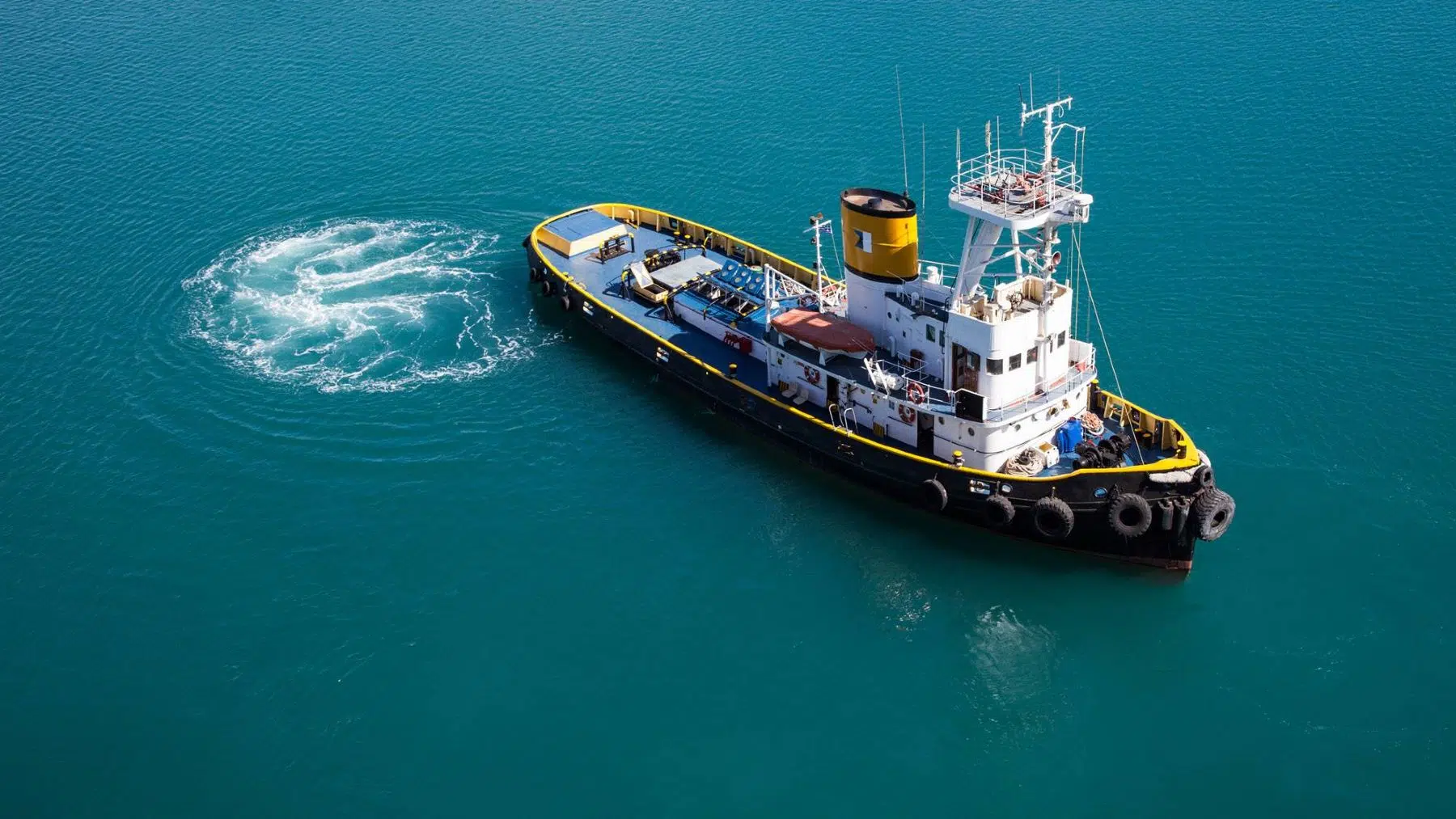
Engines that require more power for larger vehicles, such as trucks, SUVs, heavy industry, agriculture, and transportation, usually run on diesel. On the other hand, it’s far from being the most consumed type of fuel in the daily routine, and the consumption of gasoline is three times higher than diesel in the U.S. But, for those in need to work on water, the need is big, and the use of fossil-based fuels have been driving concern over the climate impacts of a possible leak and the burning of it, until Caterpillar stepped in.
“Hybrid” engines in marine vehicles
Boats, ships, ferries, fishing boats, yachts, and recreational boats all use diesel because their engines are designed to run with it. The fuel contains more energy per liter than gasoline and other alternatives, and it can maintain high performance while burning at a slow pace. Marine engines are designed to work non-stop for days, sometimes weeks, and having a fuel with more power while spending less is critical, especially for cargo boats that need to meet deadlines and not suffer from low fuel in critical situations.
Shipbuilders create marine engines to run specifically with diesel. If anything else is put into the tank, it can cause damage to the vehicle, reducing power and efficiency, damaging components, and even bringing the vehicle to a failure. This happens because diesel engines rely on compression ignition – air is compressed at a high pressure and temperature – while gasoline and other alternatives need a spark to start working.
All this use in the water has raised concerns about the health of the marine environment and the climate impact of diesel emissions, but Caterpillar has innovated with the new engine for the CAT 3500E, able to run using methanol as the second fuel. The development of dual-fueled boats is happening at full speed, with many industries trying to innovate while still maintaining the performance needed to complete a task.
Buyers can choose 2 different models
The new Caterpillar engine will be available in two different models. The 12-cylinder model will be able to generate up to 2,550 horsepower, and the 16-cylinder model will have 3,386 horsepower. The engine is designed to deliver all the power from the current CAT 3500 diesel used in inland tow boats, offshore support vessels, and tugboats. The company is the first in the United States to match methanol and diesel to work alongside.
The company’s marine director, Will Watson, stated that methanol is the closest thing they have to diesel in order to maintain power density. The tanks in the machinery were also a motivating factor for the use of the chemical, as the size and the amount of fuel needed are close to being the same as full-diesel engines.
Methanol is not a 100% green fuel
Caterpillar has innovated by creating a hybrid function between methanol and diesel, but it’s not totally environment-friendly – it depends on how it’s produced. The company will use green methanol, produced from renewable sources and not fossil-based. This way, the burn of the fuel offers a lower carbon footprint and produces fewer pollutants.
In late March 2025, the company was in the process of production development, and the engine should be ready to be delivered to its buyers in 2026. However, the director is unsure if it will be operating next year, but it will be put to the test in the next 18 months. The creation of the CAT 3500E may change the market in the upcoming years, as less than 1% of commercial vessel fleets run on alternative fuel.
Read the whole thing?
Get the week's signal, not the noise
Our sharpest reporting on energy, climate and nature — free, once a week.


