A wind nest that powers our home for nine months sounds almost too good to be true.
The renewable energy sector has grown by leaps and bounds in recent years as more and more of us aim to disconnect from the national grid. But as the industry grows, deciding which clean energy resource to go for can be quite complex indeed.
As technology has shown us, necessity breeds innovation — at least, in the energy industry. So what’s a wind nest?
Doing watt-ever it takes to go green
Decarbonizing our lives is no small task, but it needs to be done.
The energy industry is, without question, one of the largest contributors to the emissions of greenhouse gas, which has led to a surge in recent climate disasters. To alleviate the concerns from the chorus of calls to decarbonize the industry, significant progress has been made in developing new, clean technology.
A trend has emerged that sees some of the more arty among us developing new energy-generating processes with a flair for the aesthetic.
The realization that our need to keep the lights on comes at a cost to the very planet we live on has forced us to rethink the entire energy industry. How committed are you to going green in the future?
Developing wind power has become a breeze
As the world has collectively agreed to reduce the impact of energy generation on the planet, the choice of which clean energy to go for is complex.
Some view solar power production as a waste of time, despite the dominance that the sector has developed over the past decade. More and more of us have installed solar arrays on top of our houses to reduce our generational reliance on the national grid.
Large-scale nuclear energy has been making a comeback in the world as well, but backyard nuclear power is still far from becoming a reality.
The reality is that wind power is the most environmentally friendly energy resource that we as a species have developed. New advancements in technology have reached the renewable energy market as innovation becomes more commonplace.
As homeowners, ignoring the recent technological progress in the energy sector can lead us down a very dark road indeed.
A new design in the wind power market has been making the rounds as the market grows day by day.
A wind nest to power our homes for months on end is now a possibility
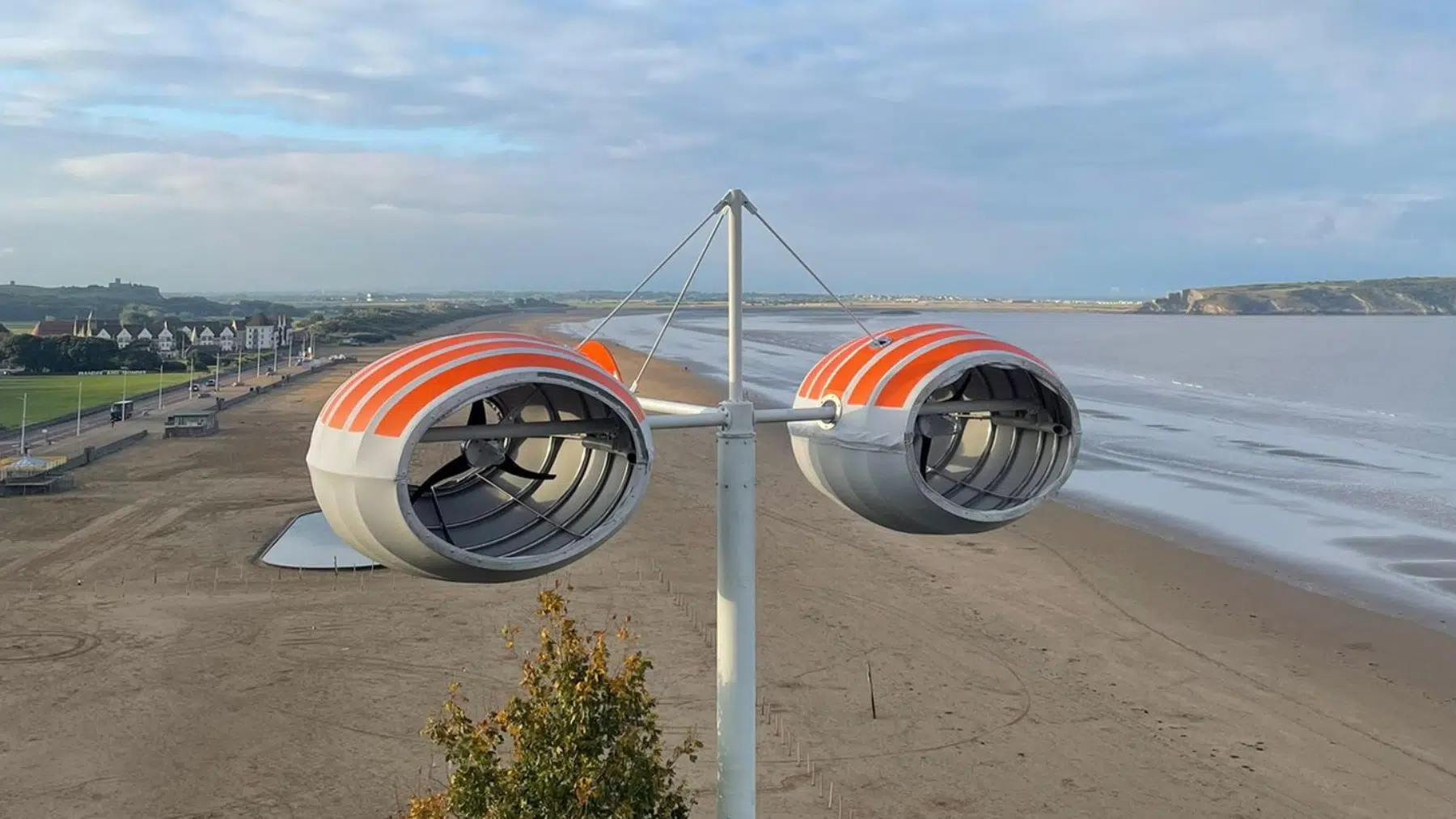
A new type of wind turbine, known as a Wind Nest, has been developed by an artist and landscape architect, Trevor Lee.
Lee has conceptualized the new green energy tech, which makes use of a hybrid system that combines several solar panels and a small wind turbine in a design resembling a manta ray with its mouth open.
According to WindNest‘s official website, the project has been made possible through the Land Art Generator Initiative.
As the average household in the nation needs roughly 10,500 kWh of energy every year, and because the WindNest can produce upwards of 8,000 kWh/year, it can easily meet approximately 75% of our energy needs.
As the myths around wind power are debunked, the WindNest could become the latest innovation in a sector yearning for new energy production methods.
The WIndNest exemplifies the progress made in developing energy with a sense of style. The pods can be installed on top of poles in the urban areas it plans to be deployed to once the design has moved past the planning phase into actual production, which has yet to begin.
Will you opt to go for a WindNest once the first one has been constructed?
Disclaimer: Our coverage of events affecting companies is purely informative and descriptive. Under no circumstances does it seek to promote an opinion or create a trend, nor can it be taken as investment advice or a recommendation of any kind.
Read the whole thing?
Get the week's signal, not the noise
Our sharpest reporting on energy, climate and nature — free, once a week.