
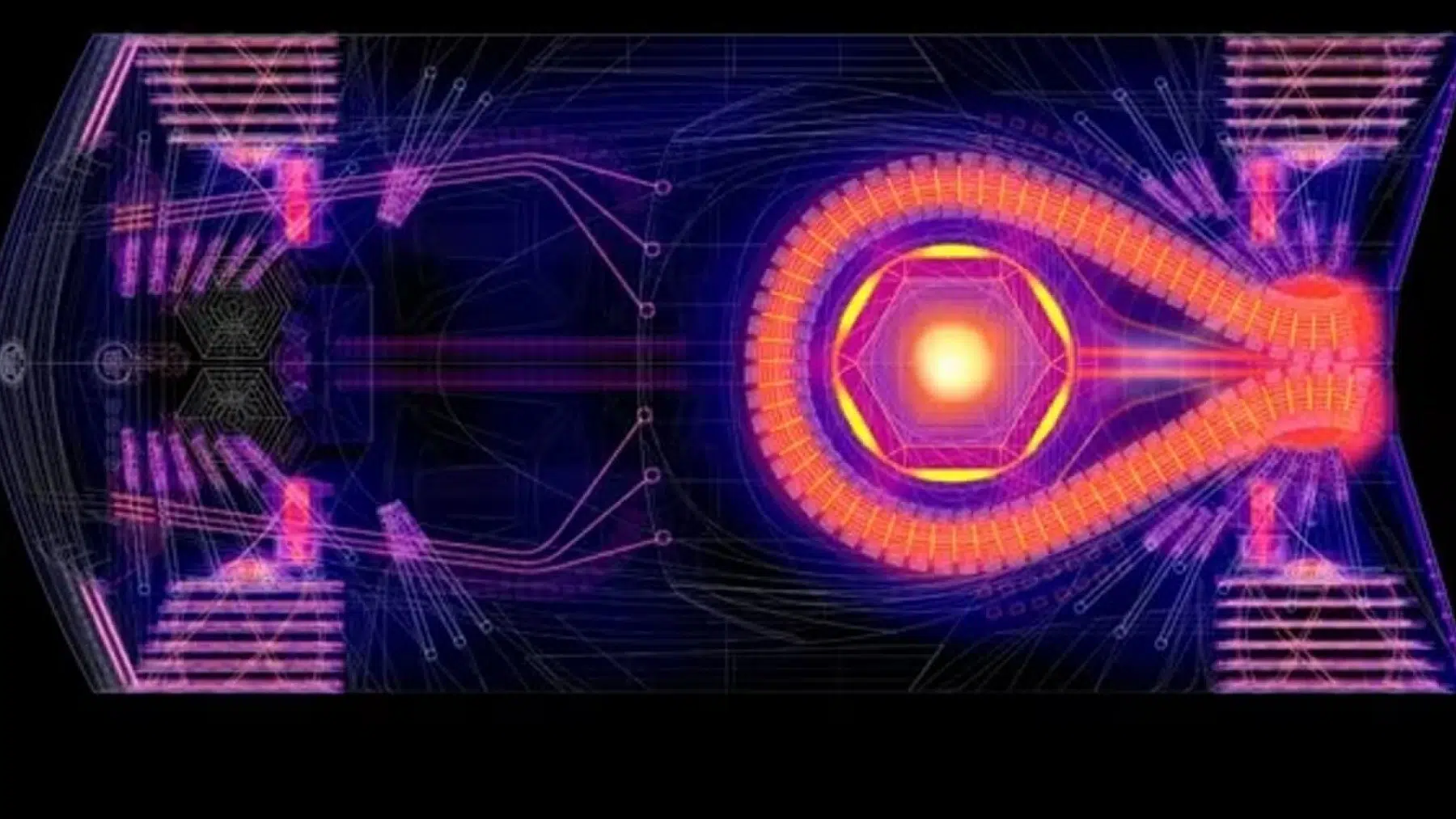
Imagine being able to travel a million miles before refueling. This may sound like something out of a sci-fi movie, but we could be a step closer to this almost limitless range capacity thanks to research being conducted in Connecticut, US. It’s not farfetched to envision a future where even electrical vehicles are outdated and the only fuel being used in the transport industry is this one.
Nuclear fuel may be more viable than you think
The fuel option that’s generating interest as an option for the future is nuclear. Just the idea makes people nervous, considering the risks involved in working with nuclear substances. Consider, for example, the Fukushima nuclear plant meltdown that was caused by a tsunami, or Three Mile Island, or Chernobyl.
However, energy company Laser Power Systems (LPS), which is based in Connecticut, is looking into a material that’s only lightly radioactive and nowhere near as volatile or powerful as uranium, for example, which is what’s used in nuclear submarines. Uranium is unstable and radioactive and has the potential to be weaponized, so it’s definitely not a substance that anyone would want moving around freely among the public.
The radioactive element thorium is the answer, according to LPS
The heavy metal thorium (Th) is the safer alternative, according to LPS, and the company believes that the properties of this mildly radioactive element make it viable for development as a power source for vehicles. Thorium is believed to be fairly common in the world and it occurs naturally.
Although thorium is described as “lightly” radioactive, it’s still an incredibly dense form of energy and stores high potential.
The CEO and chairman of Laser Power Systems, Steven Charles, says that a single gram of thorium carries the equivalent energy of 7,500 gallons of gasoline. A thorium-powered car fueled by a mere eight grams would never need refueling, and it’s this concept that makes nuclear vehicles so intriguing.
How would a nuclear energy system in a car work?
Laser Power Systems’ nuclear energy generation process involves heating thorium using a high-intensity laser, which excites the molecules to a point where considerable heat is emitted. The heat energy is then applied to water to create steam that drives mini turbines, and the electricity produced can be used to drive a car.
The LPS CEO says that the system could weigh as little as 500 pounds, and in effect, each vehicle would be carrying its own power station under the hood.
Ford tried to push for nuclear vehicles in the 1950s
The Nucleon nuclear-powered concept car is a small-scale model that Ford Motor Company created in 1958 at the height of nuclear optimism around the world. It was a strange-looking elongated car with around half of its length occupied by a nuclear reactor.
The Nucleon was envisioned to run on a uranium fission reactor with a similar steam system as LPS’ thorium concept, but two turbines would have been responsible for driving the car and for electricity generation. Ford’s designers estimated that the car would have had a range of 5,000 miles before needing to be refueled.
Why is thorium safer than uranium?
There are several reasons why thorium is a much safer, more viable option to power nuclear cars than uranium:
- Thorium only emits alpha radiation, which is not strong enough to penetrate human skin. A stainless steel container of just three inches thick would be enough to prevent radioactive emissions.
- Thorium is very difficult to turn into a material that could be used for nuclear weapons, so there are no terrorism risks.
- Thorium is as common as lead and more abundant than uranium, so a supply is assured. The United States, Australia, and India all carry vast reserves of thorium, and considering that only eight grams would be needed per vehicle, it’s a huge potential fuel source.
With sufficient thorium reserves available in the US, it would enable the country to be energy-independent. This alone is motivation to investigate further potential and invest in more in-depth research and development, and President Donald Trump already has a 50-year plan.
Read the whole thing?
Get the week's signal, not the noise
Our sharpest reporting on energy, climate and nature — free, once a week.


