
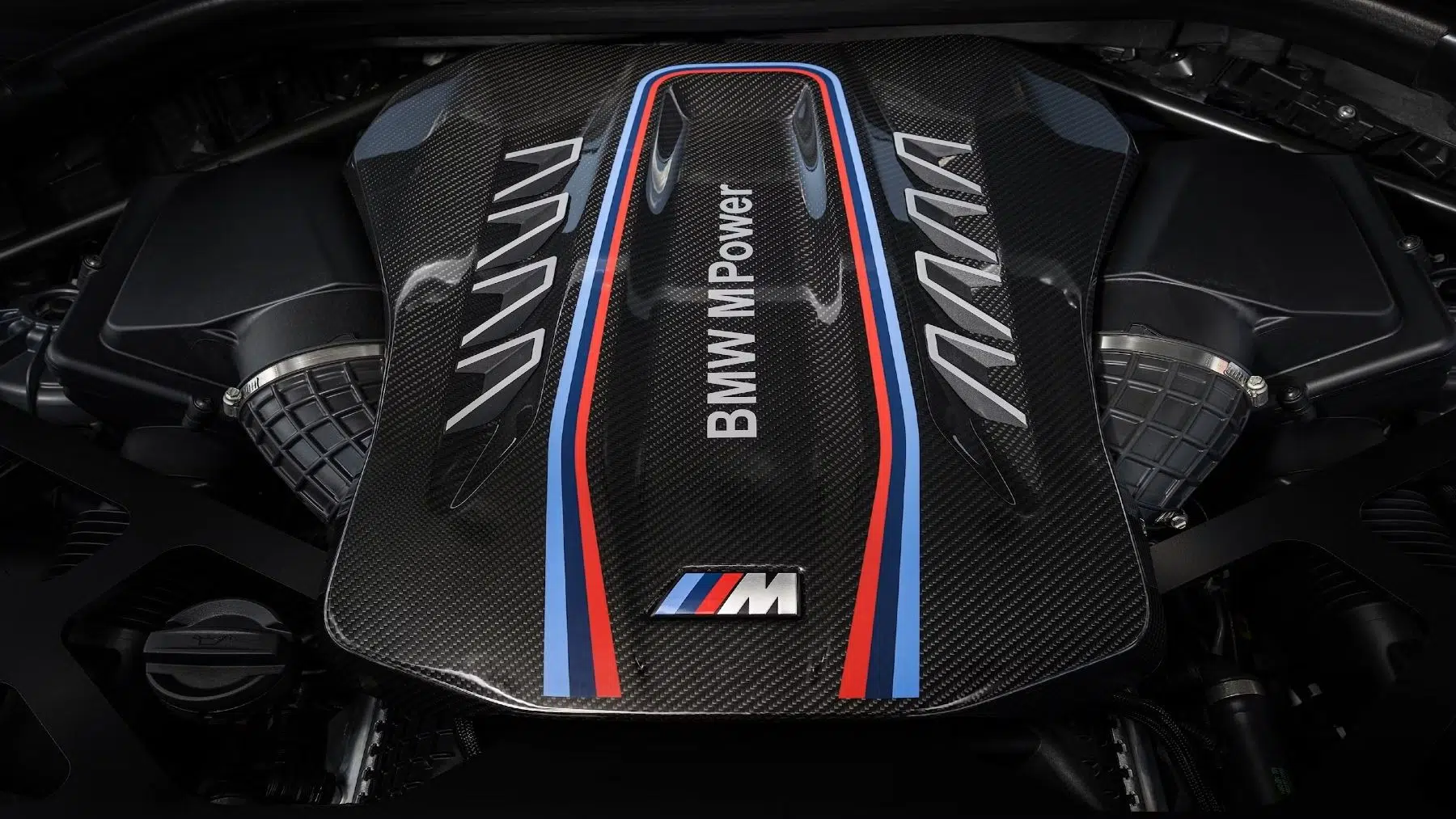
Electric and hybrid models will dominate the market in the next generation of engines. However, at present, as some brands are adapting their current lineup to include EVs and hybrid systems, others are not yet ready to give up on combustion engines. The visceral noise, the smell of burning gasoline, the vibration: everything is part of what the car manufacturer industry has been about for the past 100 years. New, renewable sources of fuel are rising, but there’s nothing quite like the “normal” engines.
Not everyone is ready for a quiet engine – even though they are powerful
This point of view affects many buyers – and automakers – when it’s time to upgrade a vehicle. They still want the buyer to feel like there is power under the hood, and the noise plays a big role. Electric cars are quiet; hybrids are also quiet in the first miles; but combustion engines are visceral all the way. As alternative fuels are coming up to substitute fossil-based fuel, maintaining a great experience is important.
That’s what BMW was thinking about when, instead of adapting to the market tendencies, it decided to double down on combustion and create a “cleaner” version. A new lineup of cars is coming with Internal Combustion Engines (ICE), and, at least for one more generation, not every car in the catalogue will have an environmentally friendly version.
German automaker is not following the trend: It will launch multiple ICE cars
BMW isn’t ready to say goodbye to internal combustion engines just yet. The German automaker is gearing up to roll out a new generation of ICE vehicles, starting with the G65 X5 in 2026, with more models following in the years ahead. While many will stick with familiar engines like the B58 inline-six and S68 V8, BMW is quietly working on something new.
Reports from Auto Motor und Sport say BMW has patented a fresh combustion system designed to squeeze more efficiency out of gasoline engines. It’s based on pre-chamber ignition—a concept diesel engines used decades ago to run smoother, quieter, and more efficiently at low speeds. BMW is revisiting it, tweaking it for today’s gas engines.
The setup is clever: fuel and air enter a tiny pre-chamber and ignite from a spark plug with separate ignition and ground electrodes. This unique design manages heat better and keeps the engine from firing too soon under stress. The goal is simple—more power, less fuel, fewer emissions, and a longer engine life. And the system isn’t picky: it could work in tiny three-cylinder motors or burly V8s, giving BMW flexibility across its lineup.
Multiple projects on the side: BMW is innovating (fast)
The brand has also established a collaboration with a Japanese automaker to search for new ways to build an engine that doesn’t harm the environment. Among the German car manufacturers, the BMW is one of the most accessible. Mercedes still holds a very luxury status, while Volkswagen has their own special projects for the mainstream. However, eventually, it will have most of the cars in the lineup powered by renewable sources of fuel, such as electric powertrains, hydrogen, or hybrid versions that please everybody.
A possible hybrid version of the M3 is coming: Will it destroy its reputation?
The current BMW M3 packs a 3.0-liter S58 twin-turbo inline-six, pushing out 523 HP. The next M3 isn’t going small just to chase electrification—it’s keeping the iconic inline-six cylinders that have defined the brand’s performance in recent years. BMW M engineers are tweaking the S58, and word is a hybrid version could be on the way. That means more power, possibly even closing in on the 700 HP rumored for the all-electric model. But the combustion engines are not going anywhere.
Disclaimer: Our coverage of events affecting companies is purely informative and descriptive. Under no circumstances does it seek to promote an opinion or create a trend, nor can it be taken as investment advice or a recommendation of any kind.
Read the whole thing?
Get the week's signal, not the noise
Our sharpest reporting on energy, climate and nature — free, once a week.


