Deep beneath the ice of Antarctica sits a lake that looks less like Earth and more like Mars.
NASA scientists expected nothing more than frozen silence.
Instead, they found a body of water with oddly bizarre chemistry. The lake remains hidden under thick ice year-round.
Yet something was not only surviving beneath it, but thriving in unique conditions.
And it could explain how life may survive on other planets.
What kind of chemical world has been evolving in total isolation for millions of years?
How a frozen Antarctic lake became one of NASA’s weirdest discoveries
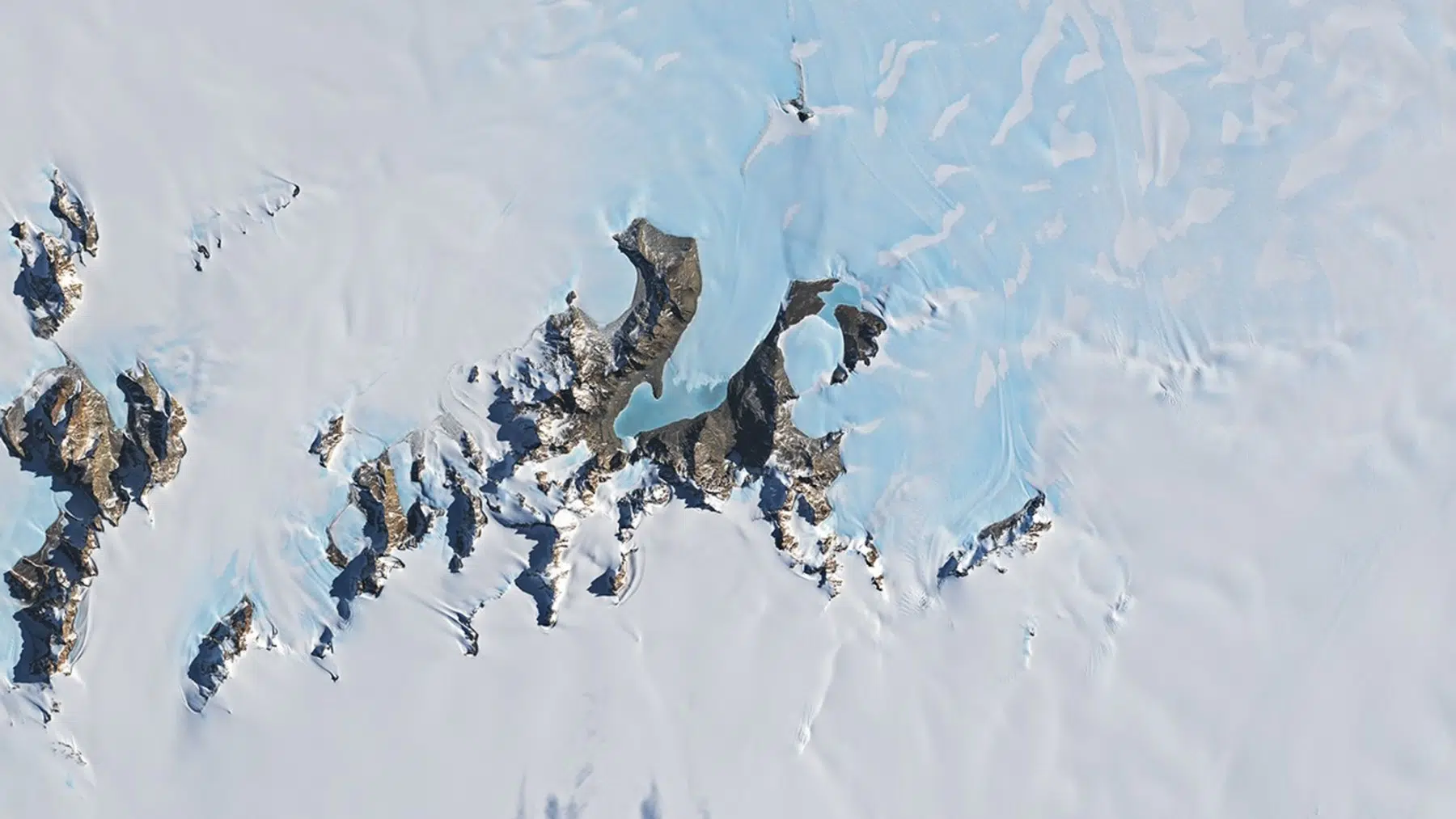
The lake in question is Lake Untersee in East Antarctica. Near the Anuchin Glacier.
From above, it looks like just another solid sheet of ice. But deep beneath it, liquid water has remained trapped.
That in itself makes this lake unusual. Most lakes would simply freeze under these conditions.
But the real mystery for science is what lies inside the water. The lake can reach up to 500 ft deep and rarely changes at all.
Sunlight pierces through the ice to warm the water. Freezing winds keep the surface frozen year-round.
The water has elements and behavior far more like an alien planet than Earth.
What was hiding in this unique body of water that NASA has now found?
Why NASA kept comparing this lake to planets other than Earth
NASA is about so much more than just the study of space.
It aimed to study this lake because it resembled the environment of early Mars.
They found evidence of trapped chemistry that seemed extraterrestrial. And the deeper they went, the stranger the lake became.
They found several cone-shaped objects rising from the lake floor.
These structures were much bigger than they expected. And they were protected by decades of ice.
Meaning the lake hid these structures from science.
According to Astrobiology, they kept growing at an astonishing rate.

The lake itself underwent a significant change. In 2019, scientists recorded a substantial rise in the water level.
Was it a hidden island emerging out of the water?
What was changing the actual chemistry of the lake? Something added a whole new set of elements to the lake.
Thankfully, NASA has finally revealed the answers.
Alien alchemy: NASA unveils a hidden world of bizarre life
In recent years, scientists have found life thriving in the strangest places on Earth.
But finding chemistry and life that looks much more like Mars is a stretch.
In this particular Arctic lake, NASA found what they call giant conical stromatolites.
Which are layered microbial reef structures underwater. Mostly constructed by cyanobacteria over extended periods.
Over time, they trap sediment, slowly grow upwards, and form mineral crusts.
Meaning that they are not fossils, but living structures. Think ocean reefs, just much, much colder.
NASA states that these freezing reefs resemble some of the planet’s oldest fossils.
Billions of years ago, these microbes were the only life in the region. Similar discoveries have emerged in Greenland and Australia.
But the ones in Lake Untersee hold modern versions of this ancient life.
As the bacteria photosynthesize, they release oxygen into the water.
Over time, these dissolved oxygen levels create new chemistry in the lake. And that chemistry is far more like Mars than Earth.
The lake is literally constructed over time by microscopic forms of life. Changing the chemistry and what lives down there.
The largest creatures found in the lake are tiny tardigrades. Proving that life can exist in the harshest of conditions.
As we aim to venture to Mars, will we find similar evidence of ancient life? Here’s hoping we do.
Read the whole thing?
Get the week's signal, not the noise
Our sharpest reporting on energy, climate and nature — free, once a week.