
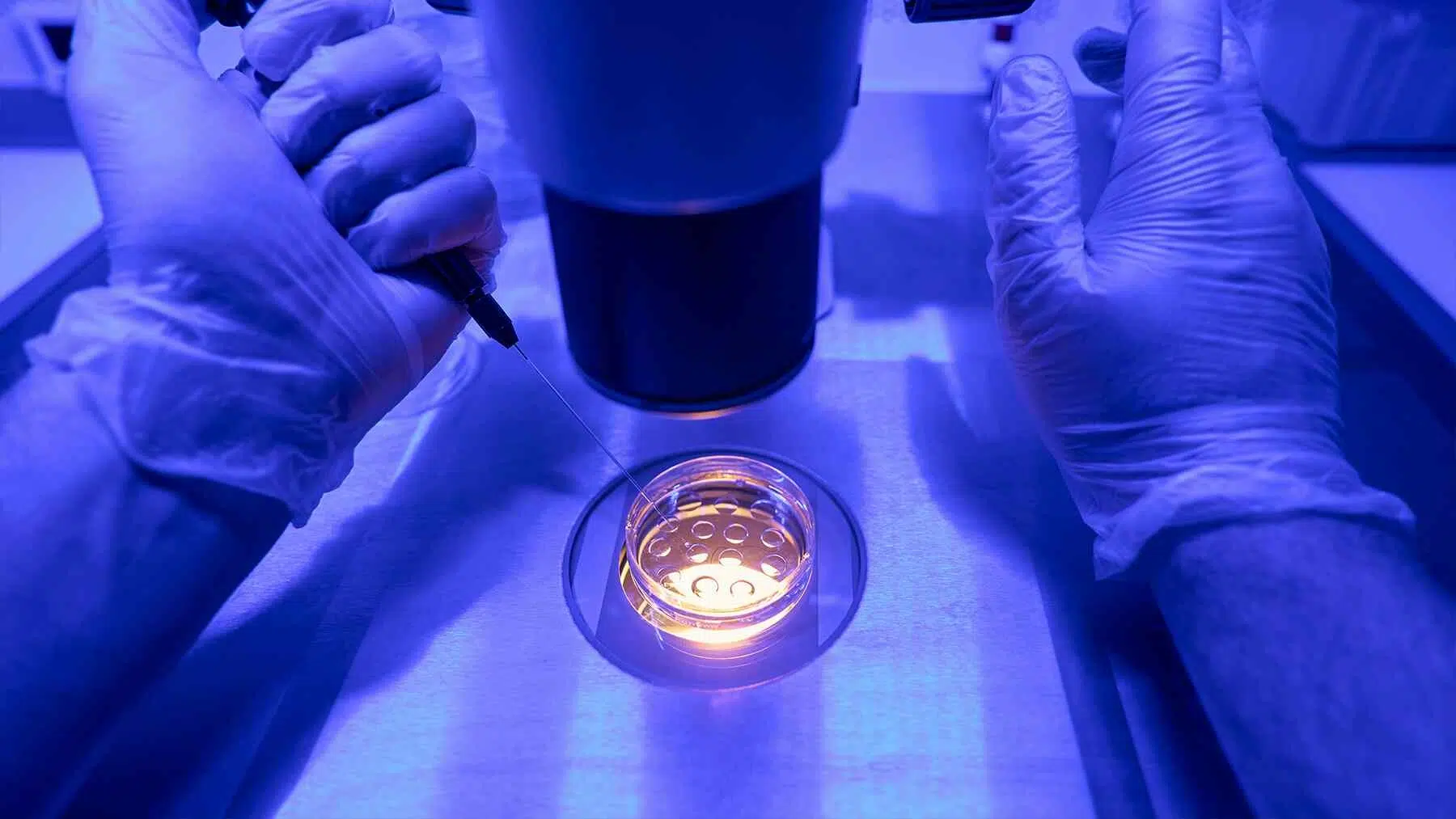
Our bodies have several unique traits that science is only now beginning to understand.
Over the past few decades, science has made several discoveries about our species that change the way we think about ourselves. The discovery of an internal alarm system has finally revealed how our cells sense and respond to environmental danger.
What is happening inside us that awakens this ‘sleeping’ alarm system?
How our bodies react to the world around us has become simpler to understand
Our bodies are a unique system that reacts to what is happening around us at any given moment.
Our bodies rely on two primary communication networks. The nervous system handles the high-speed network of electrical signals, while the endocrine system deals with the slower chemical hormone signals.
We are remarkably adaptable as a species.
Our body’s ability to adapt to our surroundings has become one of our main evolutionary traits. For example, when living at high altitudes, our bodies react by producing more red blood cells, allowing us to capture more oxygen into our bloodstream.
Intense research has made several astonishing discoveries about our species
The world around us is in a constant state of evolution, as we are.
Recent experiments have brought the mystical into reality. For generations, telepathy has been the stuff of movies; however, a recent demonstration has proven that it may become a reality in the not-too-distant future.
And that’s just the start of how the human science community is evolving in recent years.
Some scientists have been studying our brains for decades, and what they have found affects nearly every aspect of our lives. We now understand how negative thoughts affect our brains and bodies, thanks to the efforts of neuroscience.
Everything from how our bodies react to certain foods to the more recent ‘sleeping’ alarm system within each cell inside us has been detailed by science.
Our senses work together in a complex symphony that allows them to convert energy, such as light or sound, into electrical impulses. This process has been dubbed transduction and determines how we perceive our reality.
UNESCO has detailed a recent finding made by the Ludwig-Maximilians-Universität München that explains the ‘sleeping’ alarm system in every one of our cells.
The ZAK protein: Our body’s ultimate safety switch
The Ludwig-Maximilians-Universität München has found that our body’s cells have a unique trait that has been unexplained for decades.
Science has explained many of the secrets of our body and brain, such as how some of us only need a few hours of sleep to wake up fully rested. But this finding has revealed how our cells react to danger.
Think of the cells in your system like a busy factory. Ribosomes are the workers going to and fro, building our internal assembly line of proteins.
In certain situations, such as an influx of UV radiation or toxins, the workers on the assembly line bump into each other, creating a traffic jam of sorts. A unique sensor protein acts like the floor supervisor, known as ZAK.
How one protein forces our sensory system into alarm mode
When the ZAK supervisor sees the ribosome workers colliding with each other, it “awakens” from its slumber.
It then notifies the individual cells that something has gone wrong. The options for these cells? The signal sent by the ZAK protein tells the cell to either repair the damage or, if it’s too far gone, to completely shut down the cell altogether.
We know that our brains send out delicate electrical signals, but this finding details how even our individual cells cover each other to protect the rest of our body.
Read the whole thing?
Get the week's signal, not the noise
Our sharpest reporting on energy, climate and nature — free, once a week.


