European eels face a major challenge during their journey to the sea.
Many of the critically endangered fish hit a dangerous point during their downstream migration, where they come across hydroelectric plants.
These can cause serious harm and death during a critical stage of the eel’s life cycle.
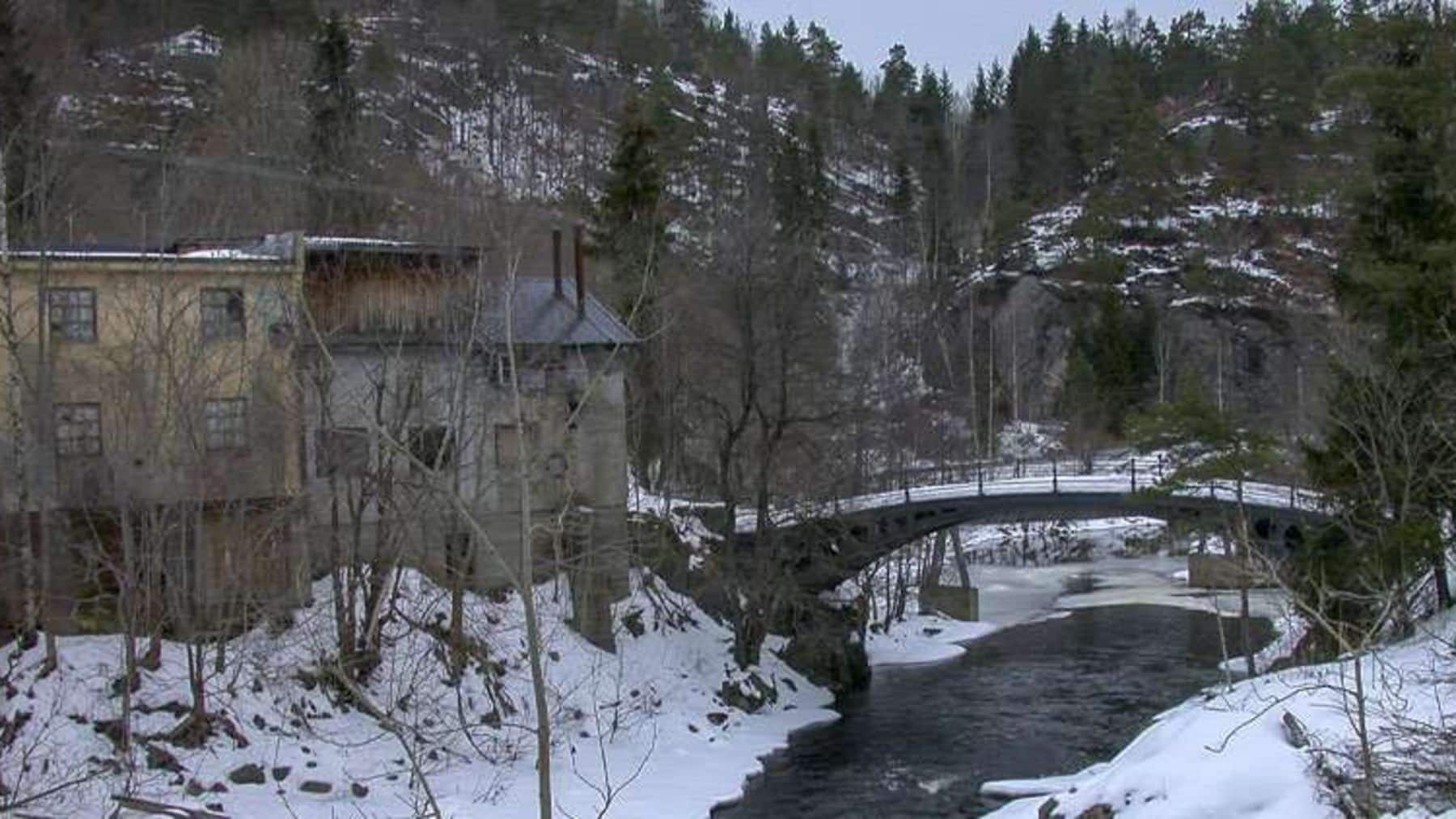
To find out if changing their escape route could help, a study focused on the Fosstveit Hydropower Plant on the River Storelva.
The team set out to test whether a redesigned escape system could guide migrating eels around the turbines. The results suggested that it could.
Many eels never made it past the turbines
During monitoring done at the site in 2012 and 2013, high numbers of tagged eels were found to have died. Survival rates were 52% and 69%.
Dead eels were also seen in the tailrace after the turbines.
At the time, the facility used a traditional trash rack and bottom bypass.
Evidence shows that this design was not helping protect the migrating eels.
So, they wondered if changing the design would help more fish avoid the turbines.
A different route through the plant offered a safer way forward
In 2024 they made a large change. Adding a new design with a small gap between the bars (15mm) and a low sloped rack.
This would ensure the migrating eels would go towards the top bypass.
The eels should follow the rack and avoid the turbines. This was an attempt to solve this issue.
They wanted to see if having a new escape route would improve survival.
Every tracked eel survived the downstream journey
The eels were released upstream in 2024 and 2025 and monitored.
All individuals survived and moved down to the river mouth! This was a huge improvement.
Many eels had failed to survive during the earlier monitoring period. Now 100% of the monitored individuals survived.
This suggests that having a new bypass with the rack has greatly improved downstream passage for eels.
This is the main finding reported in the study published in Ecology of Freshwater Fish.
The study was also featured by the Norwegian Institute for Water Research.
Migration timing followed cues the eels already knew
They also saw some new information about when the eels migrated. Most migration happened when it was dark.
The eels also tended to migrate when there was high or rising discharge in the river. This matches what we already know from previous studies.
The new migration route seems to be working with the natural cues that the eels have.
Knowing this could help in the future when trying to create protections.
One challenge still remained after the redesign
This study didn’t show that all problems had been solved.
Although survival has improved massively, the eels were taking longer to get past the hydropower plant than downstream sections of the river.
While they successfully bypassed the turbine blades, lingering around the intake structure means they burn precious energy reserves during a life stage when every ounce counts.
The retrofit has successfully addressed the immediate mortality risk, but these lingering delays show that questions remain about how to make the passage faster and smoother.
Faster journeys may be the next challenge
Improving survival for a critically endangered species can have large impacts.
The results from Fosstveit show that using a small, spaced sloped rack and top bypass can help protect migrating eels. However, this study shows that further work needs to be done.
Future work should focus on making the migration quicker.
Adaptive flow management could help with downstream movement. This shows that making changes can help the migrating eels.
The next step is to ensure that more hydropower plants offer routes that they can survive and continue their migration without being delayed.
Read the whole thing?
Get the week's signal, not the noise
Our sharpest reporting on energy, climate and nature — free, once a week.