NASA has played a vital role in understanding space.
Without the massive gains in space technology from institutions like NASA, our planet may have faced a perilous future. The James Webb Telescope is truly a marvel of modern engineering and science, and it quietly gazes into the cosmos to reveal the truth about what is taking place in the universe.
Are you aware that we faced an impending impact recently?
How the James Webb Telescope has changed the world, and space, too
The James Webb Telescope was specifically designed to give us a view of the “cosmic dawn,” or the period between 50 million and 1 billion years ago.
The JWT has found galaxies that boggle the mind and, in theory at least, shouldn’t exist. It has detected evidence of galaxies that existed 500 to 700 million years after the Big Bang, painting a picture of a violent and turbulent universe.
And the way that JWT views the universe has shifted space exploration into a new era.
The James Webb Telescope makes use of “redshifted light”; that is, light that has been stretched into the infrared spectrum to give us a glimpse into celestial objects that are as old as 13.5 billion years.
Thanks to JWT, the secrets of the cosmos are being revealed
Because the James Webb Telescope uses infrared light to see into the universe, it can “see” past immensely dense clouds of gas and space dust that block the stunning view of the universe.
Astronomers have started hearing noises from what could only be other worlds in the inky blackness of the night sky.
The James Webb Telescope has even gone so far as to detect carbon dioxide in a unique exoplanet’s atmosphere, revealing that there is evidence of water vapour, methane, and even impossible silica snow on some celestial objects.
NASA has even identified one of the most puzzling mysteries in space, the “cosmic concrete” that is dark matter.
Most of us are aware of the possibility of huge asteroids potentially smashing into Earth and bringing with them the same type of devastation that ended the age of the dinosaurs. The moon has several scars from huge celestial objects that smashed into it millions of years ago.
The most recent discovery that NASA detected through the James Webb Telescope would have caused pandemonium if the public were aware of it at the time.
The James Webb Telescope has become our cosmic lookout
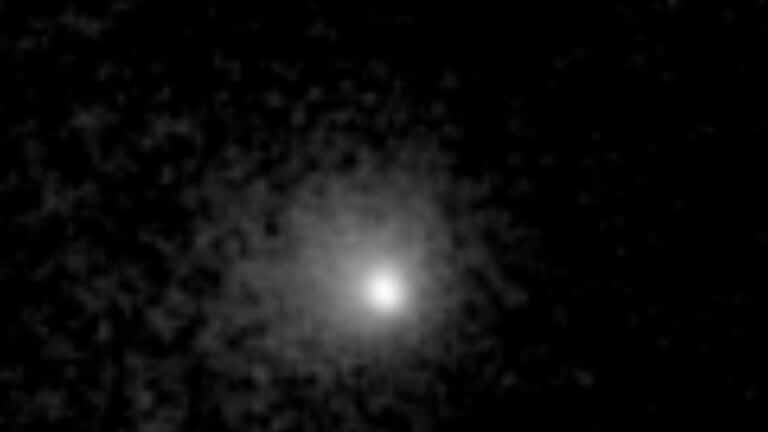
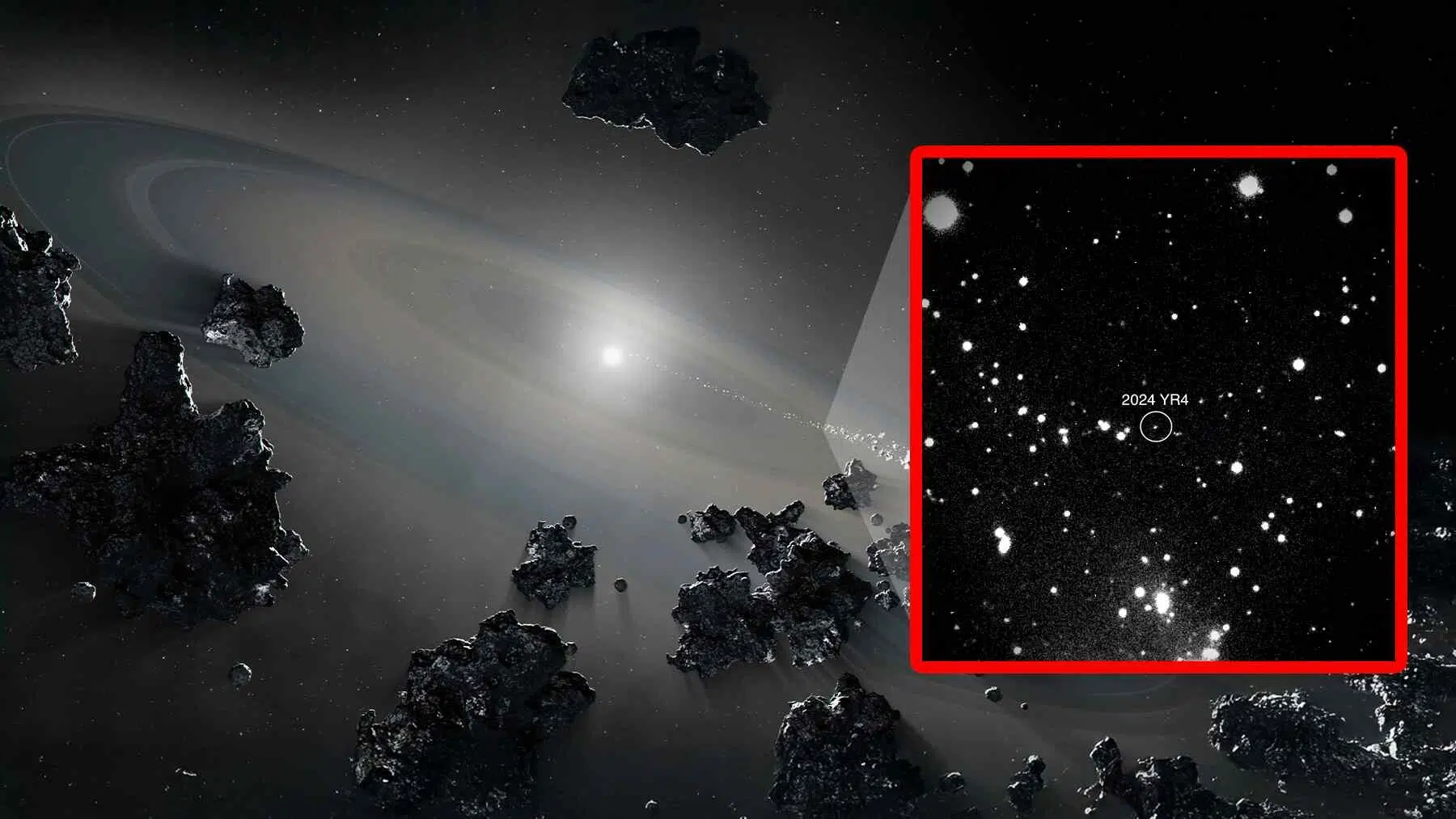
NASA detected the asteroid 2024 YR4, which the James Webb Telescope was tracking, had a 3.1% chance of hitting our one and only home in the cosmos.
The asteroid also had a 4.3% chance of hitting the moon by December 22, 2032. The celestial object was so faint that no other Earth-based observatory could track it until 2028.
New types of telescopes are being developed down here on Earth that may meet the potential of the JWT, but are still in development. So for now, our best method to scan the universe for any potential danger is without a doubt the James Webb Telescope.
How the JWST spotted the huge asteroid, giving us time to study it
The JWT provided us with the “cosmic protection” needed by being the first in human history to track an extremely faint space object long before it came close to smashing into us or our moon. Giving us crucial time to prepare our planetary defenses.
Observations made by JWT in February of this year allowed astronomers to rule out the possibility of the huge asteroid coming perilously close to us.
With NASA accelerating the next Lunar mission, namely Artemis, we can count the lucky stars that JWST allowed us to track the huge celestial object to ensure it passed us by safely.
How do you feel knowing that we have a cosmic lookout watching space objects for us?
Read the whole thing?
Get the week's signal, not the noise
Our sharpest reporting on energy, climate and nature — free, once a week.