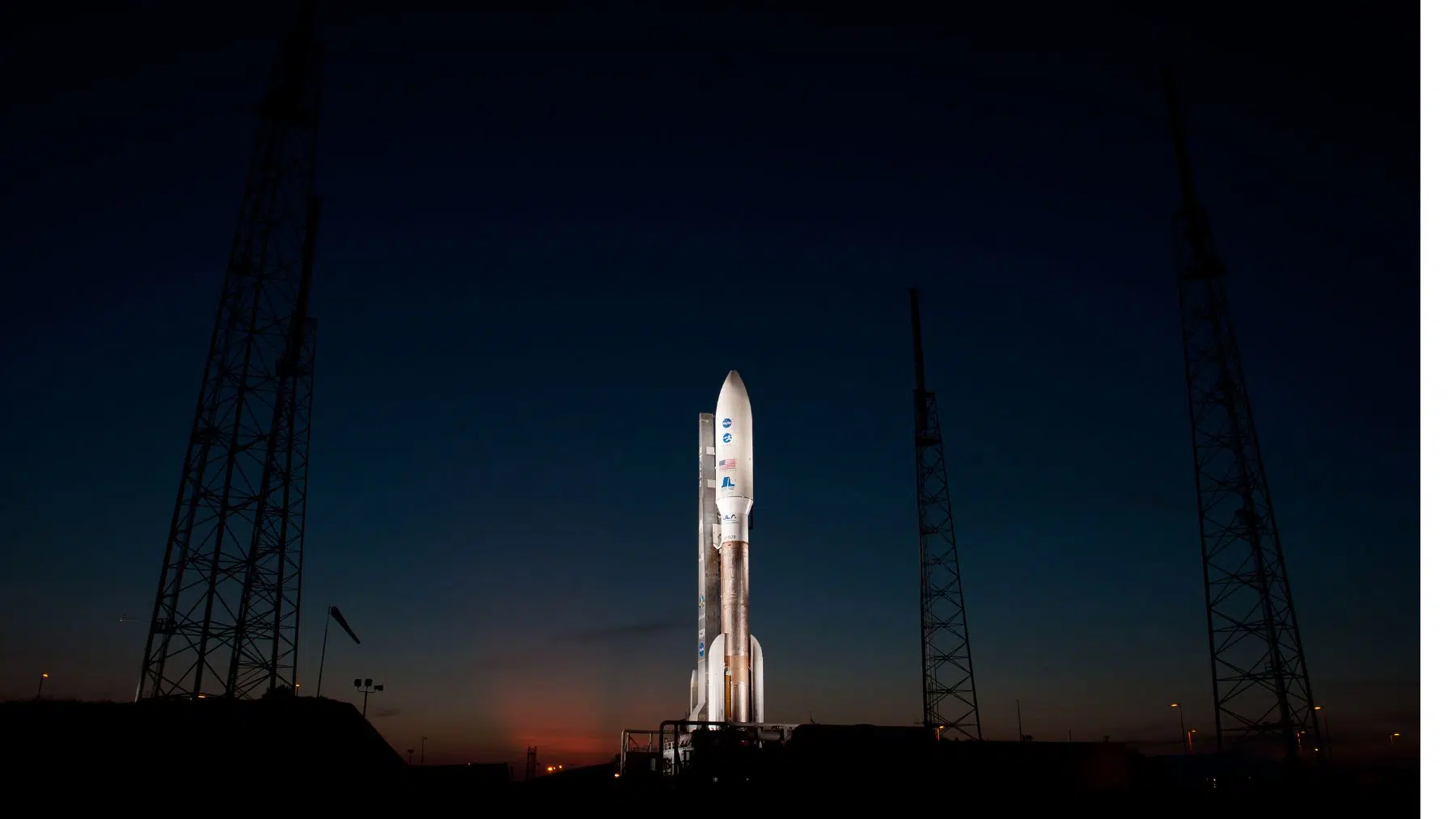
Something has shifted inside NASA’s Moon program. The tone sounds more urgent. The timeline looks tighter. The goal feels closer. After years of building, testing, and adjusting, the agency is no longer talking about a distant return. It is talking about rhythm. Momentum. A steady presence beyond Earth. And this time, the plan is not just to visit the Moon — but to keep going back.
A program that is picking up speed
At Kennedy Space Center in Florida, where rockets rise from the same historic launch pads used during Apollo, NASA leaders delivered a clear message. The Artemis program is moving faster. The agency wants to increase how often it flies — without cutting corners on safety.
Behind the scenes, teams are already preparing for the next big test flight. Artemis II, the first crewed mission of the program, is getting ready to send four astronauts around the Moon and back. But while engineers focus on that launch, planners are looking further ahead.
NASA says it wants to increase the pace of lunar missions and create a long-term presence on the Moon. Not just one landing. Not just a symbolic return. Something more regular.
A bigger roadmap taking shape
Part of that shift involves adding another step before the next landing attempt. NASA has decided to adjust its timeline and include an additional Artemis mission in 2027.
This mission, Artemis III, will focus on testing key systems and operations in low Earth orbit. It is designed as a bridge — a way to check everything carefully before attempting another landing.
During this mission, NASA plans to practice docking in space with one or both commercial lunar landers being developed by SpaceX and Blue Origin. Astronauts will also test new spacesuits, known as xEVA suits, and run full checks on life support, communications, and propulsion systems.
The idea is simple: test as much as possible before stepping onto the Moon again.
Yearly Moon landings starting in 2028
Here is the major change.
NASA now says Artemis IV, targeted for 2028, will aim for a Moon landing — and after that, the goal is at least one landing every year.
That would mark a dramatic shift. Instead of rare missions separated by long gaps, the Moon would become a regular destination.
To make that possible, NASA is standardizing its main rocket and spacecraft. The Space Launch System (SLS) rocket and Orion capsule will keep a consistent “Block 1” configuration rather than changing designs between flights. Agency officials say constant redesigns would slow progress and add unnecessary risk.
NASA Associate Administrator Amit Kshatriya explained that the agency wants a step-by-step buildup of capability, similar to how Apollo missions progressed in the 1960s. Each flight should build on the last — but not introduce unnecessary complications.
Administrator Jared Isaacman framed it even more directly. With global competition in space increasing, he said, the United States needs to move faster and eliminate delays. Standardizing hardware and increasing flight rate safely is part of that strategy.
First, Artemis II must fly
Before yearly Moon landings can become reality, Artemis II must succeed.
On Feb. 25, the SLS rocket and Orion spacecraft were rolled back to the Vehicle Assembly Building for repairs ahead of upcoming launch opportunities in April. Engineers are troubleshooting a helium flow issue in the rocket’s upper stage and replacing batteries in the flight termination system. Teams are also conducting end-to-end safety tests.
Artemis II will send four astronauts around the Moon and back, marking the first time humans travel that far since Apollo. It is a critical proving ground before attempting a landing.
Behind the rocket, a large workforce is preparing for a faster mission cadence. NASA recently announced changes aimed at rebuilding in-house expertise and working more closely with industry partners. Leaders say this approach will make launches safer and more reliable — even as the schedule tightens.
Boeing, which builds the core stage of the SLS rocket, says it is ready for increased production demands. The rocket is designed in Alabama, built in Louisiana, and assembled in Florida — a nationwide effort now preparing for a busier future.
If the plan holds, 2028 will not just mark another landing. It could mark the beginning of routine trips back to the lunar surface.
More than fifty years after the last astronauts left footprints in lunar dust, NASA is signaling something bold: the Moon is no longer a distant memory.
It may soon become part of a regular flight schedule.
Read the whole thing?
Get the week's signal, not the noise
Our sharpest reporting on energy, climate and nature — free, once a week.