
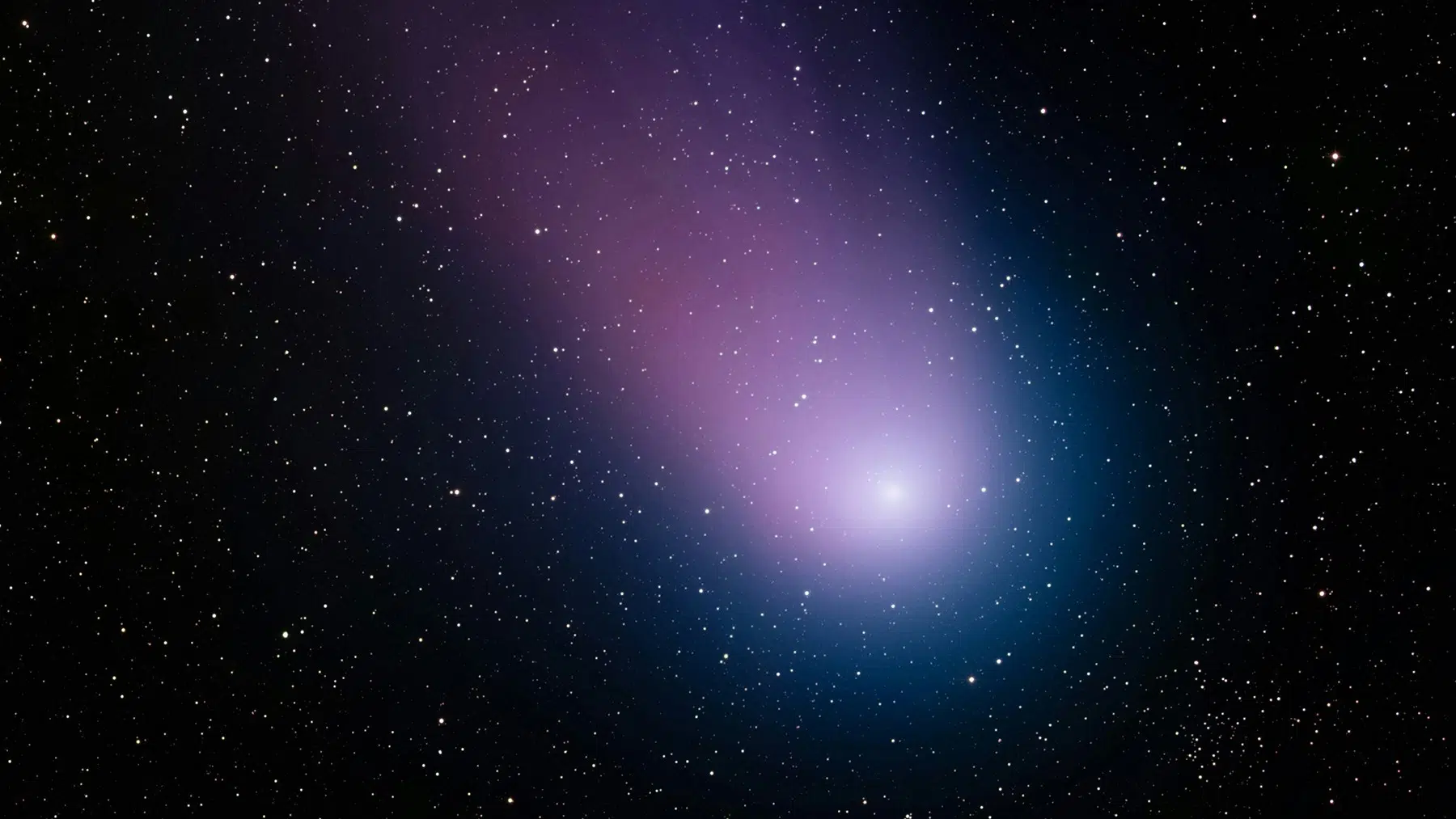
The universe has captivated some of the greatest minds in history. And now Earth is set to receive a silent mini-moon in the near future that will captivate the greatest minds in modern-day astrology. For generations, the brightest minds across the world have looked up in awe and wonder at the secrets that the cosmos has just waiting to be found. NASA has taken great leaps forward to develop technologies that can unravel the mysteries of space, but a new “mini-moon” is set to pass relatively close by in the near future, so be sure to have your telescope at the ready in January of 2026.
The mysteries of the universe have become a little clearer in recent years
For as long as mankind has been capable of deep and insightful thought, we have looked towards the sky in awe and wonderment as to what mysteries the cosmos has stored away, just out of our collective reach. While Newton and Einstein have developed the thought process around gravity and how it affects the universe, some have opted to keep a close eye on the comets and asteroids that litter the night sky.
Great thinkers such as Neil deGrasse Tyson have dedicated their lives to understanding the universe and all it entails. Other great minds have focused their attention on comets and asteroids that pass much closer to the planet, providing a glimpse into the rest of the universe and what makes it so vast and mysterious. Now, a new comet has been edging ever closer to passing by the Earth next year and will be at its brightest in January.
The James Webb Telescope has changed the way we view the universe
The astonishing James Webb Telescope has forever altered the way we perceive the universe. Since being launched a few years ago, the JWST has given us a glimpse into the beginnings of the universe, only a few million light-years after the Big Bang. The astonishing and mind-bending images of the cosmos that the JWST has given us are nothing short of amazing.
A new mini-moon is headed our way in the new year, and we couldn’t be more excited
Comet 24P/Schaumasse is a mid-sized comet whose orbit features a relatively short period, low inclination, and is controlled by Jupiter’s gravitational effects. NASA and other space institutions are preparing for the comet to head relatively close to the Earth, so close that it may be visible to the naked eye. Several space media outlets have stated that the mini-moon will reach the brightest point in its 2026 apparition on 6 January.
Once it reaches that pivotal point, the 24P/Schaumasse comet will lie at a distance of 0.59 astronomical units from the Earth. If you live in New York and have an interest in spotting the mini-moon, on 6 January, it will be visible at approximately 01:15 am, so be sure to set your alarm clock and get the telescope or any other viewing apparatus ready. NASA has been discovering a multitude of new exoplanets and comets that may forever alter our understanding of the vast cosmos.
Comet 24P/Schaumasse will light up the night sky in January next year
With the new year approaching at warp speed, millions of astrologers are preparing for the Comet 24P/Schaumasse to pass by the Earth. The “mini-moon” will be visible almost anywhere on Earth that does not suffer from extensive light pollution. However, if you live in a city that has a litany of streetlights and traffic signals constantly running, we suggest you make your way out to a quieter area in the country to get a glimpse of the new mini-moon that will delight and amaze on January 6th. NASA will continue to reveal the mysteries of the universe for the foreseeable future.
Read the whole thing?
Get the week's signal, not the noise
Our sharpest reporting on energy, climate and nature — free, once a week.


