This way to come to pass is an attempt by New York State to help families contribute greatly to reducing the financial burden that most families face. This move forms part of Governor Kathy Hochul’s 2025 State of the State plan and will help ease inflationary pressures. Below is the information you need to know about this program.
Eligibility criteria: fulfill this income limit for your $500 check
Overspending has been a major concern owing to ever-rising prices for food, fuel, and other necessities. WBLK makes it clear that, in the United States, the inflation rate was at 2.7% per year, although other nations deal with much higher rates.
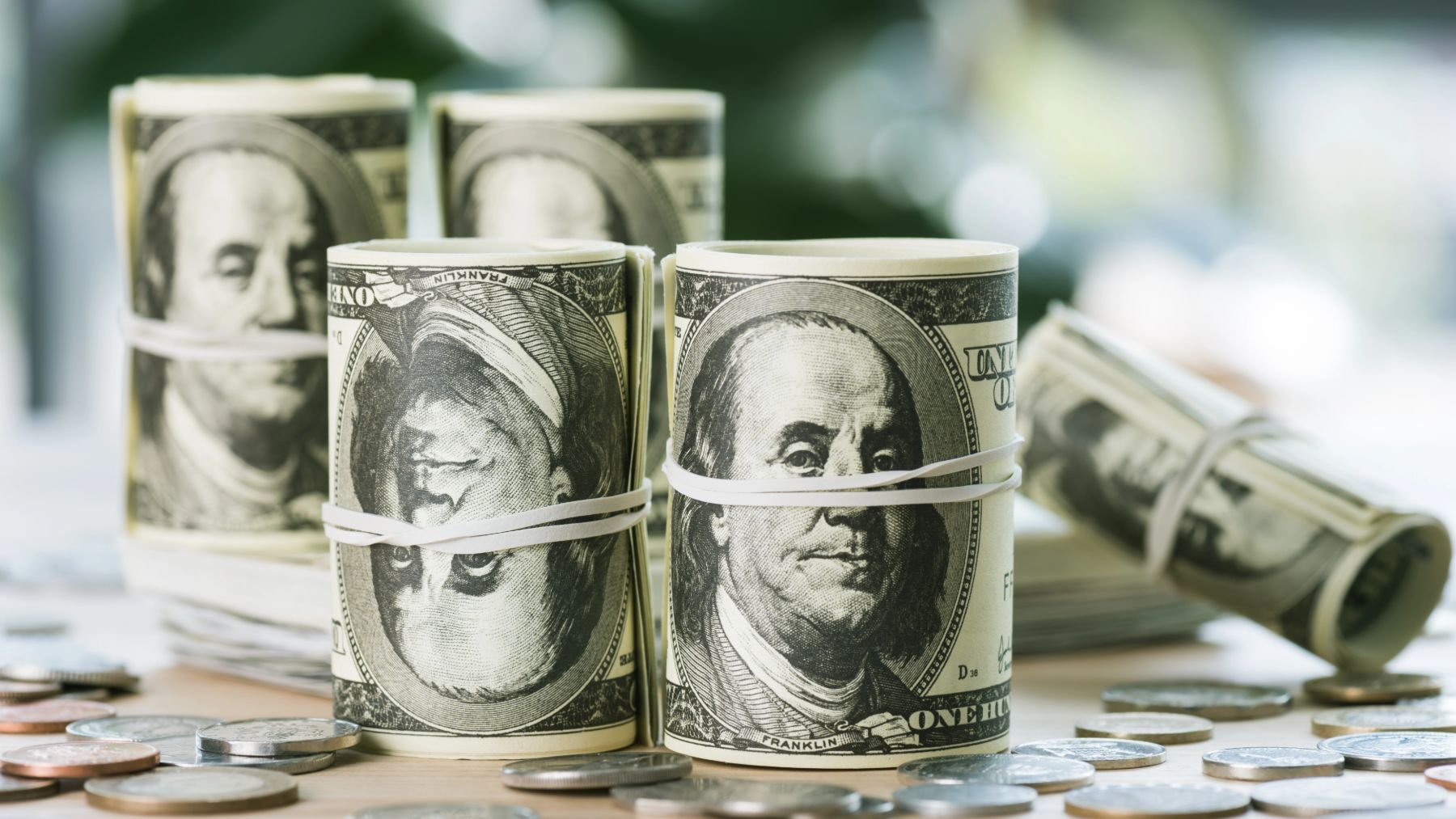
This plan is therefore an effort by Governor Hochul to return money to the New Yorkers to assist them in managing what she refers to as inflation. The eligibility criterion for receiving the $500 check is straightforward: joint tax filers should earn up to $300,000 per annum. The IRS will send $300 to single taxpayers with adjusted gross income of $150,000 or less.
This sort of eligibility allows for a large number of the populace to be covered in the program, in a manner helping those most in need.
Here is how much payments will go to low-income families.
Around 8.6 million New Yorkers will get $3 billion in refund monies. Its distribution is done based on regions hence all families within the state are supported. For instance, New York City will have an estimated 3,645,000 recipients, the Hudson Valley will be 986,000.
Other areas that will be earmarked include Western New York, Finger Lakes, and the Capital Region among others. They will be arranged to be paid directly to the New Yorkers to ensure that the process is as easy as possible. This straightforward approach helps to guarantee that parents access the money as soon as possible without having to wait for a long processing period from an intermediary institution.
These $500 checks will not only benefit families but also local businesses
These $500 checks will help influence a positive impact in the lives of struggling families who are suffering from poverty. Since the inflation factor touches almost all families in their daily expenses, this will be favorable in helping with the costs raised by families.
The funds can therefore be used to put towards necessities which will help lighten the burden of households financially. As one of the elements of the Inflation Refund initiative, which means putting money in the hands of consumers, it should further stimulate the economy. Likely, families are going to put them into consumption, investing them in products and services that enrich their communities and stimulate economic activity.
The $500 checks will be experienced by families; long-term benefits of such interventions cannot be ruled out. Thus, the program ensures that those families become financially secure and eliminate all sorts of stress caused by financial insecurity.
This financial relief is the key to future assistance programs.
By having a stable home environment, such as a stable neighborhood, the health and quality of life of the residents may improve. Governor Hochul’s plan for such an initiative is in line with efforts being made to help New Yorkers during trying economic periods. They suggested that future similar plans and sustained support will help families when the economic ranks change.
The effective implementation of this program may mean the prospect of further studies of financial assistance measures in the future. With the help of the Inflation Refund project, not only the current financial problems are solved but also the issue of sustainable economic development is solved.
The program’s focus on giving $500 checks to families maintains fairness by giving the funds directly to parents, and boosts commerce. This kind of targeting is evidence of the state government’s commitment to the state’s residents and the ability of the state to manage the effects of inflation accordingly.
Read the whole thing?
Get the week's signal, not the noise
Our sharpest reporting on energy, climate and nature — free, once a week.