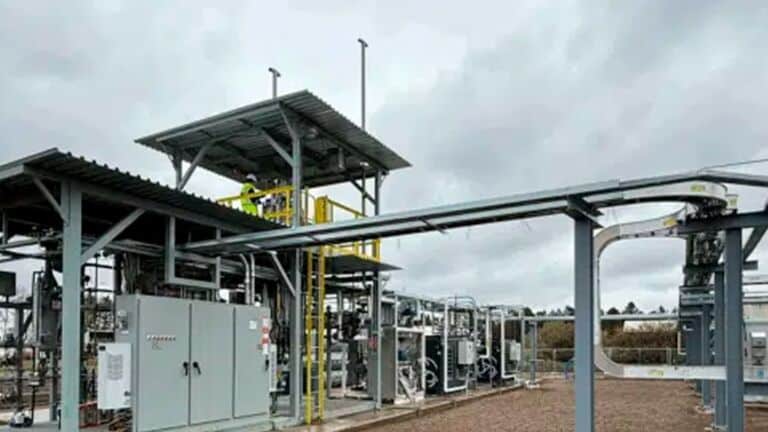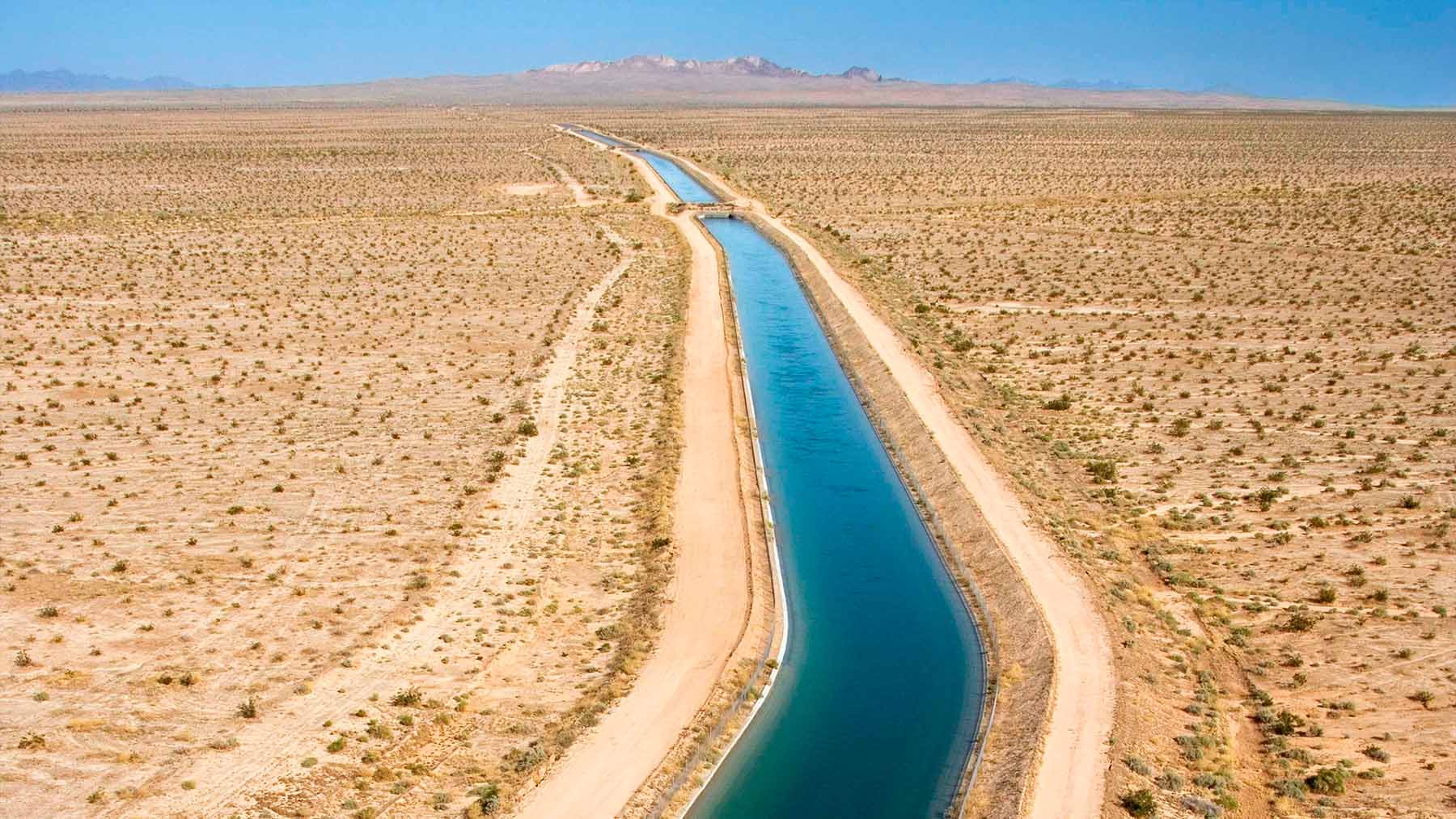
In Central Oregon, a farming irrigation district has taken measures that will see it construct a solar array plant of up to 1 megawatt on the surface of the water regulatory reservoir near Prineville.
With assistance from state and federal grants towards developing renewable energy, the proposed floating photovoltaic plant aims to turn the idle water surfaces into a source of community solar power without using any farmland.
The infrastructure project has been developed by local water engineers to provide for the costs of the district’s irrigation and at the same time prevent water wastage due to agriculture.
Deploying floating photovoltaic pontoons across irrigation storage basins
Supported by a $700,000 grant from the Oregon Department of Energy for a 764-kW community floating-solar proposal, Operators of the Ochoco Irrigation District issued a request for proposals capping the plant at a maximum capacity of 1,000 kW AC.
Engineers plan to assemble high-density polyethylene pontoon boats to form a floating platform across the surface of the reservoir.
Thick steel cables hang straight down into the bottom of the reservoir, keeping the pontoon boats safe from harsh desert winds.
Variable water levels result in line tension changes that make the whole system move up and down continuously.
Repurposing artificial water bodies produces electricity without using fertile lands of Oregon.
The absence of land purchase costs helps the district to allocate budget funds for special maritime electrical systems.
Blocking sunlight to cut surface evaporation and algae growth
The heat from the sun during the summer season heats up the top layer of the reservoir and causes the loss of millions of gallons of water from the reservoir.
The photovoltaic panels form a dense layer of shade over the water, thus blocking the transfer of heat from the sun.
The planned shading across the water surface is expected to help reduce evaporation losses.
The point is to conserve water for irrigation.
Additionally, reduced sunlight penetration is projected to limit algae growth that typically clogs intake filters.
Water conservation helps in maintaining the irrigation schedule for the crops without increasing labor costs for basin maintenance.
Cool water under panels boosts solar power output
Efficiency of ground-mounted solar panels decreases as a result of heating of the aluminum frame due to the heat from the desert air in mid-summer.
Water currents under the floating pontoons act as a cooling mechanism and help absorb the excess heat energy.
Cooler photovoltaic cells operate more efficiently when converting sunlight into direct current, which is subsequently converted into alternating current by an inverter.
Thermal management from the underlying water is projected to maintain lower cell temperatures, which is expected to yield higher energy efficiency compared to traditional land-based solar installations.
The community floating solar system connects directly to the local utility grid. Rather than supplying direct power via dedicated cables to district pumping stations, the generated energy feeds into the regional grid to benefit local subscribers.
Drawdown vs. stability mooring
Floats allow for high thermal efficiency; however, drawdown in summer shows some weaknesses of the mechanical system.
Irrigation staff lowers the water level of the reservoir to the muddy minimum level in summers when crops are harvested.
Water reduction reduces tension on mooring lines and helps floating pontoons move dangerously close to rugged shorelines.
To handle seasonal drawdown, the project design calls for a dynamic mooring system that can adjust cable tension as water levels fluctuate, aiming to keep the floating platform stable and clear of the reservoir bed, according to the Ochoco Irrigation District.
Management of capital grant and utility interconnection issues
The grant provided by the Oregon Department of Energy has played an important role in financing.
The bids have been officially made by the district officials to identify firms that can perform marine solar installations.
An interconnection study was conducted by Pacific Power to determine grid readiness and any necessary infrastructure requirements for connecting the facility to the regional power network.
Pumping costs will influence adoption of such projects in other water districts in Oregon.
Read the whole thing?
Get the week's signal, not the noise
Our sharpest reporting on energy, climate and nature — free, once a week.