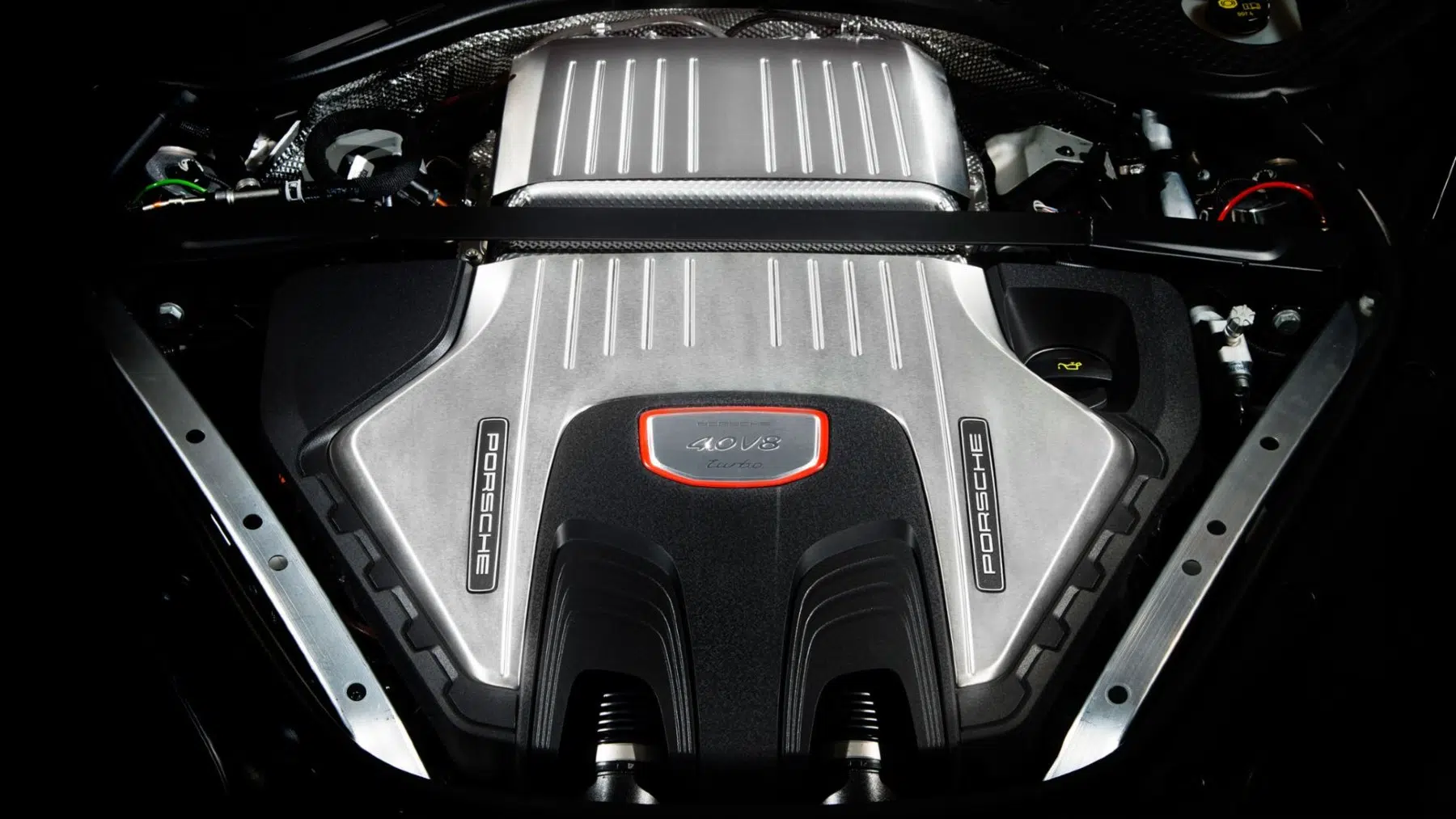
German automakers are among the most important in the industry. The technology combined with luxury and power on the roads is their hallmark, and Porsche is one of the best in the business, blending these three. Its iconic 911 model is one of the most sold supercars – if the car fits in this category is a matter of debate, but if the engine is taken to the limit, it reaches unbelievable speeds. Now, they have reinvented combustion with the new hydrogen engine, one of the first of its kind.
The future is green – not Ferrari red or Mercedes black
German automakers have long been known for pushing the boundaries of engineering, blending performance with innovation. Yet, as the industry shifts toward cleaner energy, traditional combustion engines face growing pressure to evolve or risk becoming relics. Hydrogen, often touted as a futuristic fuel, has struggled to match the power and responsiveness of gasoline engines—until now.
Porsche’s latest breakthrough challenges that status quo. By developing a combustion engine fueled by hydrogen that rivals the performance of conventional V8s, the brand stakes a claim beyond electric powertrains and hybrids. This move positions Porsche uniquely—not just competing with legacy giants like Ferrari or Toyota, but redefining what combustion engines can achieve in a sustainable future. The implications could ripple across motorsports and street driving alike.
Porsche’s new hydrogen engine
Porsche has developed a prototype hydrogen engine that fits into luxury sports cars and matches the performance of a 4.4-liter V8 petrol engine. It also uses less fuel and keeps emissions as low as the surrounding air. The project started just six months ago and was completed entirely through virtual simulations. The team began with digital data from the petrol engine, using it as a benchmark for the hydrogen version.
To make the hydrogen engine work, the engineers increased the compression ratio, adjusted the combustion process, and most importantly, redesigned the turbocharging system.
Hydrogen combustion requires the turbochargers to supply roughly twice the air mass compared to gasoline engines. But hydrogen’s lower exhaust gas temperatures make it harder to power the turbochargers. Regular turbochargers can’t handle this, so they tested four different turbocharging designs.
Electric turbochargers put to the test
All of them used electrically-assisted turbochargers, some with extra control valves or electric compressors. Each design has its pros and cons depending on how the engine will be used. For the final petrol-matching setup, Porsche chose a system with back-to-back compressors.
This design stacks two compressor stages on a single shaft, powered either by the turbine or an electric motor. Air passes through the first compressor, gets cooled, then goes through the second compressor for extra boost.
The result is a hydrogen engine that can produce up to 440 kW — matching the petrol version. Beyond power, the engine emits nitrogen oxides far below upcoming Euro 7 limits, nearly zero across the whole performance range, according to Matthias Böger, an engine simulation specialist.
The engine won’t go into production soon
The hydrogen fuel also improves efficiency by about 5% compared to gasoline and performs well in real-world driving cycles. The company says the cost to produce hydrogen engines at scale could be similar to petrol engines. While the turbocharger system and some parts are more complex and pricier, the hydrogen engine doesn’t need the expensive exhaust treatment systems required for gasoline engines under Euro 7 regulations.
The company tested its new hydrogen engine virtually in a luxury car weighing about 2,650 kg. The car completed a lap in eight minutes and 20 seconds, showing strong potential for sporty performance. Porsche notes that while this hydrogen engine probably won’t go into production as it is now.
Our coverage of events affecting companies is purely informative and descriptive. Under no circumstances does it seek to promote an opinion or create a trend, nor can it be taken as investment advice or a recommendation of any kind
Read the whole thing?
Get the week's signal, not the noise
Our sharpest reporting on energy, climate and nature — free, once a week.