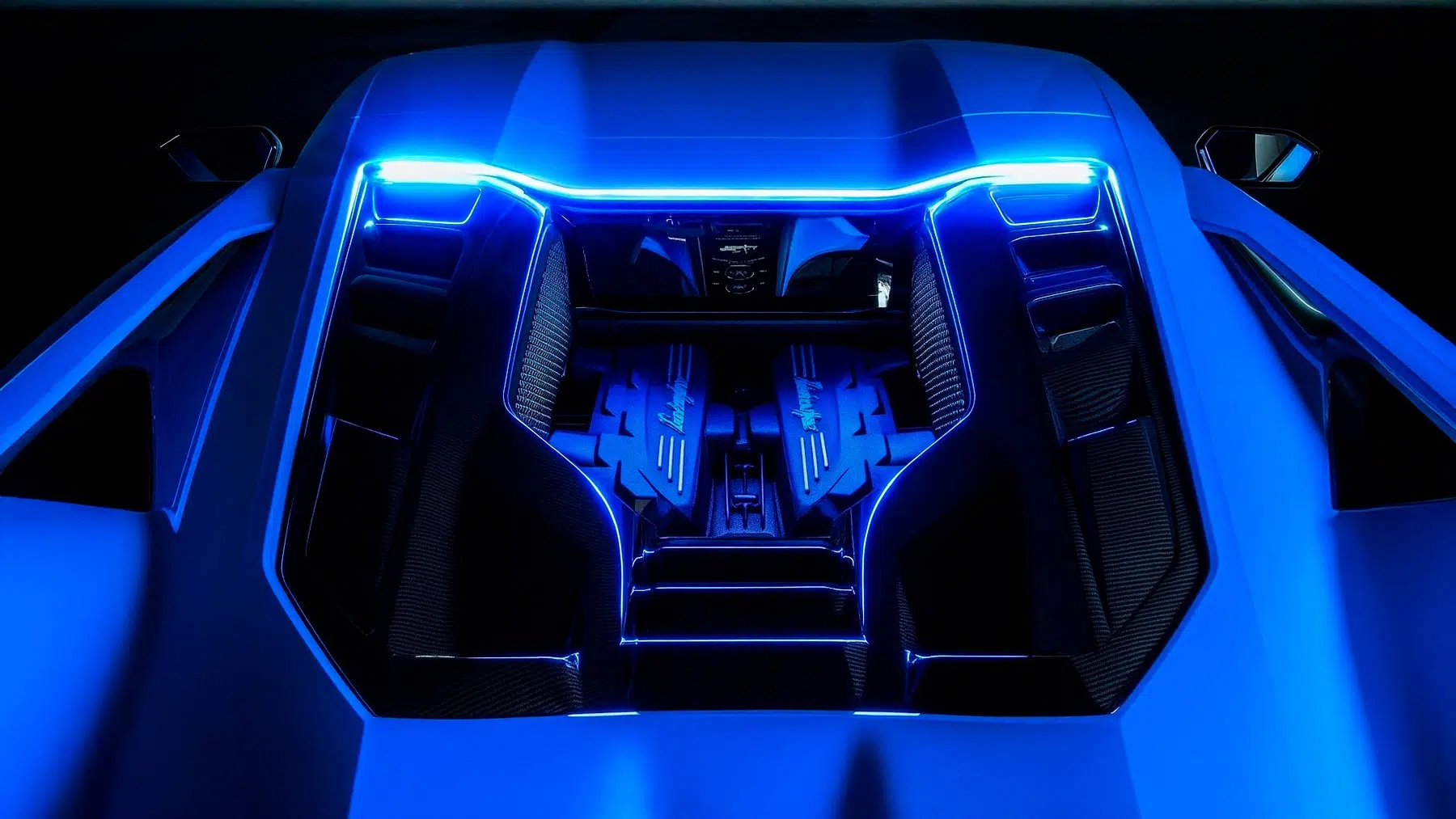
Hydrogen is not the future now. Europe’s most legendary automakers have spent decades perfecting combustion, not just the performance, but the emotion. That unmistakable growl from a V12 or the precise snap of a dual-clutch gearbox is as much a part of the experience as the drive itself. But as climate mandates tighten and electric powertrains mature, the question for these icons has shifted from how to go fast to how to evolve without losing identity. The continent is now emerging as a testing ground for what could be the next phase of high-performance mobility.
Hydrogen is being substituted by hybrid engines
With governments setting aggressive targets to phase out fossil fuels, and legacy automakers under pressure to keep pace with innovation from Silicon Valley and Asia, European brands face a pivotal choice: adapt, gamble, or get left behind. What was once a region known for engineering heritage is now being shaped by software integration, battery chemistry, and propulsion reinvention.
Amid this transformation, electric dominance is no longer just a forecast — it’s a battleground. Hydrogen, once considered a potential rival for clean energy mobility, is slowly being edged out by the sheer momentum and scalability of electric tech. And now, one major move might signal a definitive shift in Europe’s powertrain future.
Lamborghini updated the engine from another manufacturer
Mercedes has opened a new revenue stream by supplying AMG engines to brands beyond its lineup. The Pagani Utopia uses a V-12, several Aston Martin models carry AMG V-8s, and the Lotus Emira runs with a four-cylinder unit. Fewer people know that Mercedes is also behind the hybrid systems used in several high-performance supercars, though not directly.
Since 2021, Mercedes has owned Yasa, a British company that builds axial flux electric motors. These motors are installed in Lamborghini’s two latest supercars: the V-12 Revuelto and the V-8 Temerario. While the combustion engines remain Lamborghini’s own, the front-axle electric units come from Yasa. Ironically, Mercedes and AMG have yet to bring this same technology to a production model of their own.
That’s expected to change soon. AMG is developing a new electric-only platform, AMG.EA, which will underpin a future sedan to replace the AMG GT Four-Door Coupe, and a new large SUV. Both are expected to use Yasa’s axial flux motors. Mercedes has already tested the technology in concept form: the 2023 Vision One-Eleven used an axial flux motor, which offers one-third the weight and size of a standard unit, along with significantly higher torque output.
Yasa’s have a history on the market
Yasa’s motors also have a track record in other concept and performance vehicles. Jaguar’s 2010 C-X75 used a four-motor Yasa setup, and the Lola-Drayson B12/69EV – an electric Le Mans prototype – reached 204 mph in the UK, setting a speed record for sub-1,000 kg EVs and surpassing a mark that stood for nearly four decades.
We’re no longer just talking about batteries and torque – the revolution is happening inside the motor itself. Traditional radial motors, long the industry standard, are being challenged by a more compact, more potent alternative: the axial-flux design. Smaller, lighter, and more efficient, this new breed of motor is quietly reshaping how performance cars are built and how electric power is delivered on the road.
Hydrogen is the future, but others prefer hybrid engines
Europe’s most exotic brands are already rewriting the blueprint – without hydrogen. Instead of relying solely on software tweaks or battery upgrades, they’re diving deep into mechanical innovation, compressing size without sacrificing output. At just under 40 pounds and thinner than a paperback book, this next-gen motor is making its way into some of the fastest machines on the planet. And unlike bulky hydrogen systems or unproven solid-state cells, it’s here now – real, tested, and track-ready.
Read the whole thing?
Get the week's signal, not the noise
Our sharpest reporting on energy, climate and nature — free, once a week.