As the world is trying to keep up with the growing population and its exponentially growing energy demands, it is also trying to lower its overall carbon footprint one step at a time. Renewable energy sources, such as solar power, have gained significant popularity as an alternative to fossil fuels, but Russia is in a position to threaten the entire global solar industry. What’s under one of its mountains could change everything. Will the future of solar power change sooner than we think?
The global solar industry in a nutshell
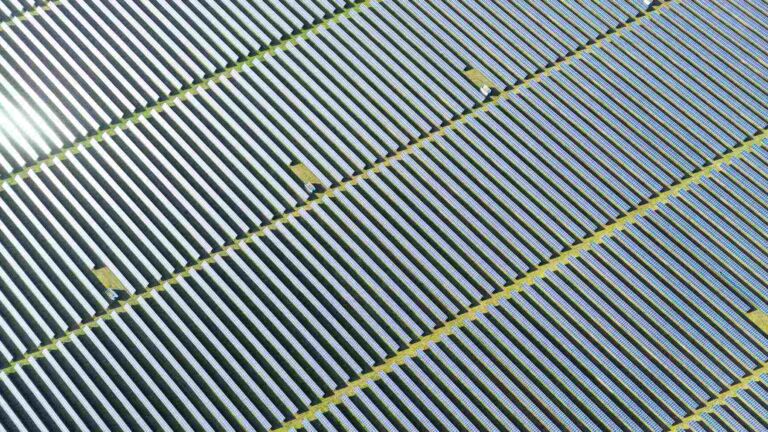
The solar industry is one of the fastest-growing industries in the world, and its expansion is happening much faster than other technologies. Solar power technology has significantly developed over the years, with power capacities that could blow your mind. According to ScienceDirect.com, the global installed solar photovoltaic capacity surpassed 1,000 GW (or 1 TW) in 2023.
Solar capacity’s annual growth is expected to surpass 20% in some cases. Future projections estimate that the global capacity of solar installations will significantly increase, with potential numbers indicating more than 5,000 GW by 2030, according to Ember. At present, the total photovoltaic capacity is primarily silicon-based, with the silicon-based solar cells making up nearly 95% of the market.
However, a very old Russian discovery could change the future of global solar as we know it. We could soon be saying goodbye to traditional silicon-based solar panels, as a certain natural mineral found in the mountains has a crystal that changes it all.
A very old Russian discovery that could be the future
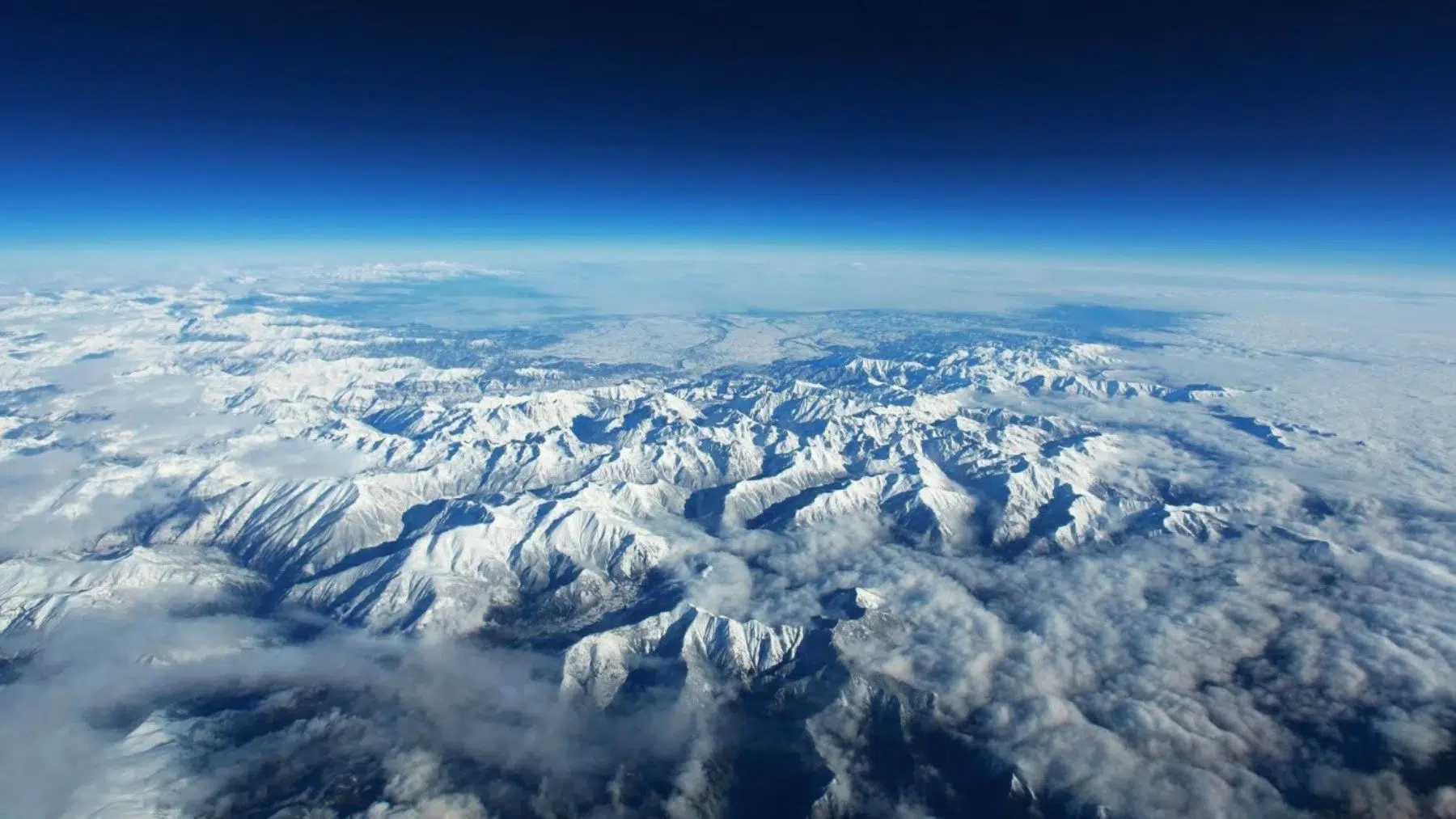
According to Ossila, a formerly unknown natural mineral of calcium titanate was found in the Ural Mountains of Russia. The first discoverer of the mineral remains unknown. After the discovery, a Russian mineralogist, Chief Mines Inspector August Alexander Kämmerer, received the mysterious mineral sample.
German mineralogist Gustav Rose was then tasked with a nine-month expedition for mineralogical research. In 1839, Rose identified the perovskite within the sample from the Russian Ural Mountains. According to Wiley Online Library, Rose named the mineral “perovskite” in honor of the Russian politician and mineralogist Count Lev Alekseyevich Perovski, upon Kämmerer’s suggestion.
Fast forward to the 21st century, and perovskite has been of severe interest to many. The natural mineral is the starting material for a broader family of perovskite materials, which can now be synthesized for diverse and unique applications, according to ResearchGate. Japan used it to create photovoltaics thinner than paper. Thanks to this old deposit discovery, Russia can now potentially impact the future.
The potential impact of Russia’s deposits
When considering the benefits of perovskite compared to traditional silicon, perovskite cells are more of an attractive choice for solar panels, and Russia’s deposit could potentially change the future of energy forever. According to KeAI Publishing, perovskite solar cells have the following benefits:
- Lower production cost than silicon panels
- Material efficiency
- Higher efficiency with tandem cells
- Versatility in application
- Potential for a lower carbon footprint during production
Since perovskite experimentation started in 2009, major breakthroughs have been made with regard to their efficiency. Researchers have achieved efficiencies over 25% for perovskite Solar Cells (PSCs), according to Ossila, and this number is predicted to increase in the coming years.
Presently, perovskite solar cells do not play a key role in the solar energy industry, but researchers are conducting research on tandem solar cells, which use perovskite and silicon in solar cells. This approach could allow perovskites to be integrated into the present solar panel landscape. If that is the case, Russia could be smiling from ear to ear, as its deposits in the Ural Mountains place the country in a favorable geopolitical position. It’s also good news for the world, as solar energy could reach new heights.
Read the whole thing?
Get the week's signal, not the noise
Our sharpest reporting on energy, climate and nature — free, once a week.