
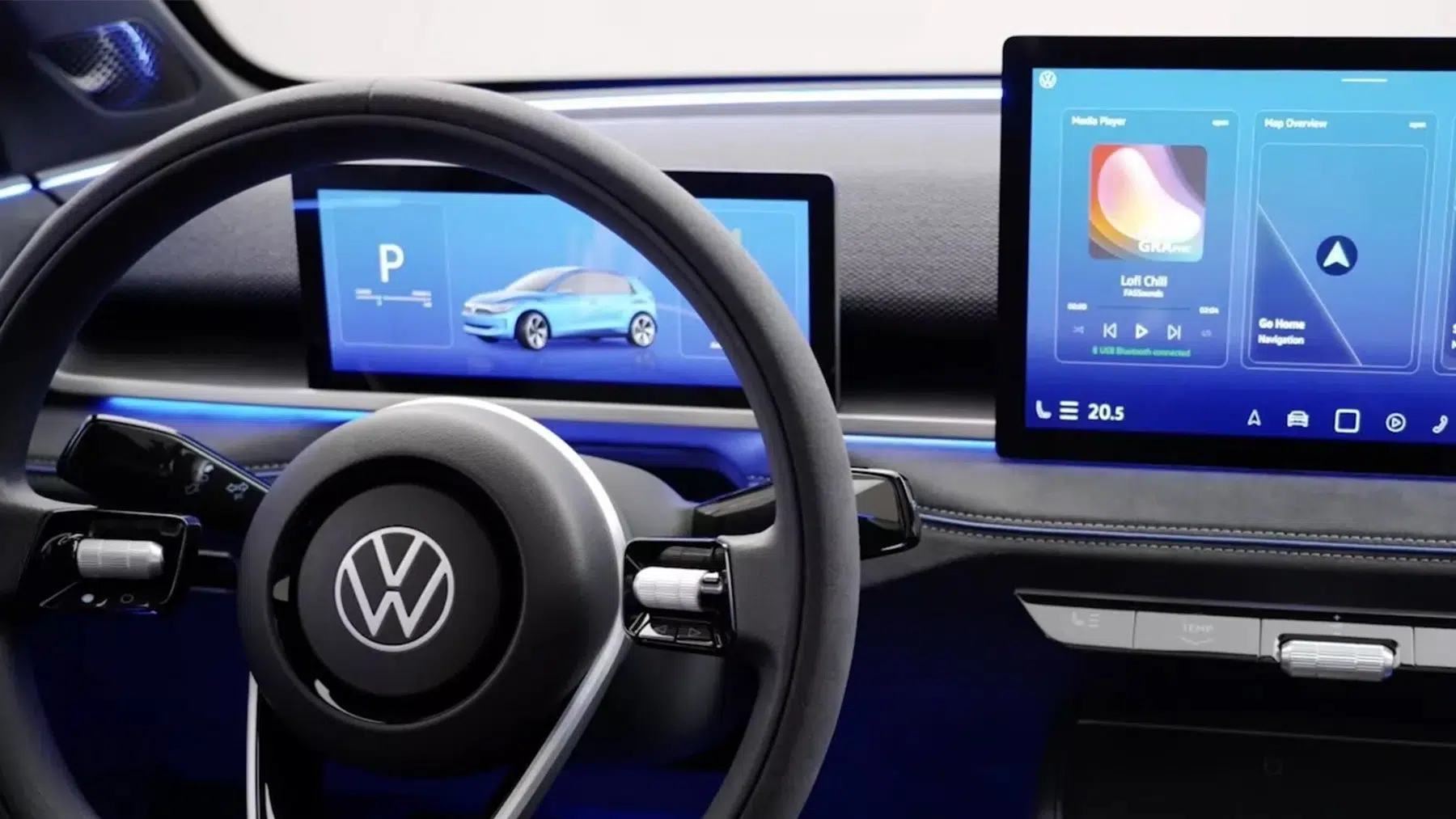
The evolution of cars over the years from traditional buttons to the touchscreen has been aligned to the rapid growth in technology and automakers saw it fit to go with the trends. However, there has been a wave of complaints about these types of cars with a touchscreen interior, for which drivers are dissatisfied. Drivers claim that it is not helping, especially when it comes to stability, functionality and safety.
Both regular drivers and auto safety specialists have lamented the disappearance of the simple button for years. Despite worries that these enticing gadgets could exacerbate distracted driving, practically all modern automobiles have switched from dashboards with tactile knobs to slick, iPad-like digital displays. There are indications, however, that the tables might be turning.
The emergence of touchscreens: Upgrading automobile interiors at possible cost
In recent years, automakers have developed and upgraded the car interiors to touchscreens with the notion that it is more appealing and modern and goes with the trend, and because people seem to have been interested in such designs, it seems like they are changing their minds. These digital interiors are often associated with windscreen controls, air conditioning, and playing music (entertainment) all on one big screen on the dashboard of a car.
After going through the process and learning how everything works, there has been a rise in criticism, with drivers claiming that it is more distracting than it is making driving life easier, compared to the traditional button controls. Imagine taking 22 seconds just focused on the screen trying to switch the windscreen on when it is raining and 22 seconds without focusing on the road. That is not safe.
Road accidents will rise and I bet there have been some because of that. Additionally, according to research, drivers have expressed frustration whenever they need to get something on or off when it takes time, does not respond or glitches, because we know technology can have some hiccups at times. As drivers’ discontent with touchscreen-heavy interfaces grows, the percentage of drivers who find their car’s controls straightforward has dropped from 79% in 2015 to 56% in 2024.
VW reintroduces physical buttons after acknowledging the failure of touchscreens
A report by Carscoops claims that the production of ID.2all in 2026 will mark the beginning of the long-overdue return of physical buttons. The car brand has finally realised that touch screens are a disaster and stuffing every function into a touchscreen is a nightmare. When VW announced its ditching of the traditional buttons, it started a war, and now they see why consumers and drivers prefer buttons.
By bringing back traditional buttons, Volkswagen aims to please customers and enhance the driver experience because, honestly, life is easier when you just press a button designated for a specific car feature instead of tapping, swiping or sliding just to turn the air conditioner on. This helps to balance technology and practical usability to keep the driver experience more appealing.
Next-generation VW vehicles will have physical buttons directly beneath the infotainment screen for the four most crucial features: fan controls, seat heating, volume, and danger lights, Mindt told Autocar. To switch on the heat, you won’t have to keep navigating menus. Additionally, he stated unequivocally that this change would be included “in every car that we make from now on.” We were aware of this, according to Carscoops.
Safety consequences: Touchscreen controls’ distracting character
The Buick Riviera from 1986 was the first automobile to use a touch screen, around 38 years ago. In comparison to the enormous desktop-sized screens used in some contemporary cars, that application—a 3×4-inch box driven by a cathode ray tube—was somewhat archaic. Over time screens functioned beyond just the AC and the radio and drivers had to control traction control and even cycle between performance modes and more.
Drivers have expressed that these touchscreens on cars feel like smartphones. It is a car, not a smartphone! Additionally, according to reports, touch screens have also become significantly more affordable for automakers. Now, car makers should change their design outlets and give the consumers what they need for a better, easier and, more importantly, safer driver experience and reduce the complicated functions.
Read the whole thing?
Get the week's signal, not the noise
Our sharpest reporting on energy, climate and nature — free, once a week.


