
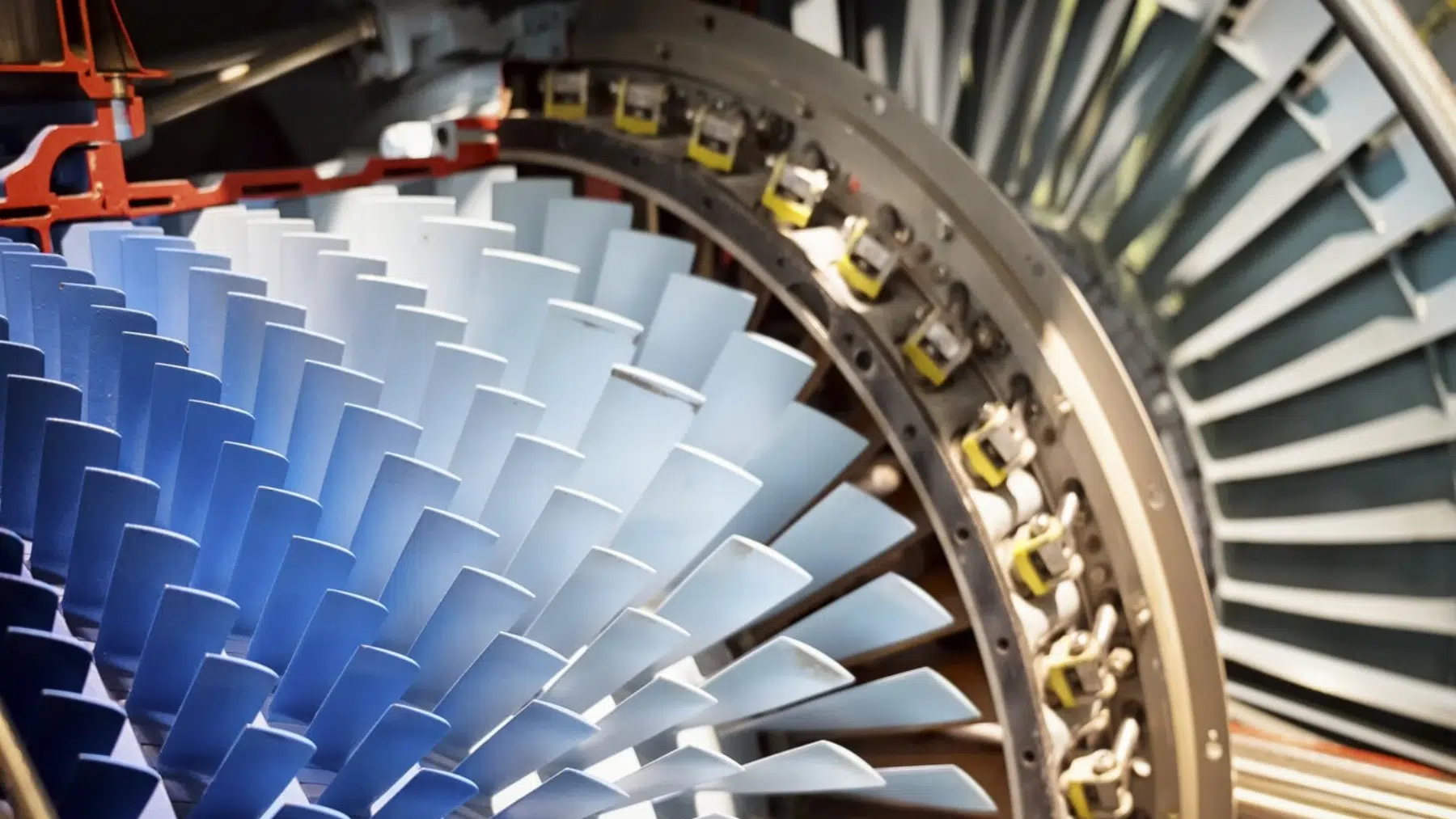
NASA, the world’s leading space agency, is not only all about space exploration; it also stretches its net to the aviation industry. The agency is making headlines for funding a futuristic hydrogen engine, and this futuristic engine is called the Hy2PASS. It is designed to be eco-friendly while at the same time being efficient in its operation.
NASA’s funding is expected to push the boundaries of sustainable aviation and could eventually pose a challenge to the electric vehicle market, including China’s dominant EV industry. This groundbreaking hydrogen aviation engine is significant. Not only does it provide a different means of utilising sustainable fuel, but it may challenge markets that have long been dominated by battery-electric technology. Hydrogen is coming in full force and this could be a development China needs to look out for.
The reason why NASA’s hydrogen engine is revolutionary and how it operates
First of all, by awarding Phillip Ansell of the University of Illinois Urbana-Champaign a NASA Innovative Advanced Concepts (NIAC) funding to create a hybrid hydrogen-based aviation engine, NASA encouraged yet another step in that direction. The goal of the funding is to build the Hydrogen Hybrid Power for Aviation Sustainable Systems (Hy2PASS) engine, a hybrid that powers an aeroplane by combining a gas turbine and a fuel cell.
Although hybrid systems have been tested previously, Hy2PASS’s utilisation of air management is its unique selling point. The engine operates under liquid hydrogen, allowing for more and easier energy release. Another notable attribute is its potential applicability across various modes and forms of transportation, such as cars, trucks and aircraft, though its primary focus remains aviation. It is different from the complicated hydrogen that needs storage and infrastructure.
Producing zero-carbon emissions is one of the biggest advantages, as this is a priority. EVs are rated to be safe and clean, but the process of producing the batteries, which involves mining and ground extraction, raises sustainability concerns, while hydrogen just emits water. Therefore, NASA is ensuring it eliminates all those issues by integrating revolution and sustainability.
Could this mean the end of the EV market in China?
China has spent years investing in the EV market. Therefore, the end of the EV market is close to impossible because China still has a great market. Yes, NASA’s hydrogen research is posing a challenge, but sooner or later we will notice that we just have options and fuel alternatives. Although the obtaining of lithium for batteries is still a red flag, China might have to refocus its production system. Otherwise, both hydrogen and EV are in the green light.
Something we need to pay attention to though is the whole development of the Hy2PASS and perhaps why it poses a competitive challenge. According to Science Alert, the compressor itself is separated from the turbine in Hy2PASS, although it continues to provide oxygen to it. Additionally, it provides oxygen to the cathode of the fuel cell, enabling it to continue functioning.
There are several benefits to this approach, but the most important is the sharp boost in productivity it provides. Direct uncoupling of the compressor from the turbine eliminates the waste heat generated at that mechanical link. There is still a long way for NASA and its funded researchers to fully execute this hydrogen engine, but we can see where it is going and anticipate for it to make a green difference within the environment.
Maybe you are wondering, “What comes next?”. The next few years will determine whether hydrogen will overtake EVs and if it will be realistic, or perhaps we should just have it as an alternative fuel since many people have different preferences based on their experience and knowledge. At the end of the day, the race to sustainable transportation is on and we look forward to seeing it develop.
Read the whole thing?
Get the week's signal, not the noise
Our sharpest reporting on energy, climate and nature — free, once a week.


