Solar panels face a few challenges, but none bigger than snow. The second it piles up, your shiny panels turn useless. This has been a problem since solar’s earliest days, all the way back to 1839, when Alexandre-Edmond Becquerel first noticed that light hitting certain materials could spark an electric current.
There might be a way to prevent snow from impairing your solar panel performance
The inventive mind of Alexandre-Edmond Becquerel noticed how light striking silver chloride-coated electrodes in an electrolytic cell could generate a current. Ever since his discovery in a Paris laboratory, solar technology has been developed in many ways.
The one thing that has been a struggle is how to deal with snow falling on solar panels. That is, until now. Nearly two centuries later, there might be a way to deal with this. It is a simple fix. It might even sound like it wouldn’t work, but it does.
So, how do you keep snow from impacting the performance of solar panels?
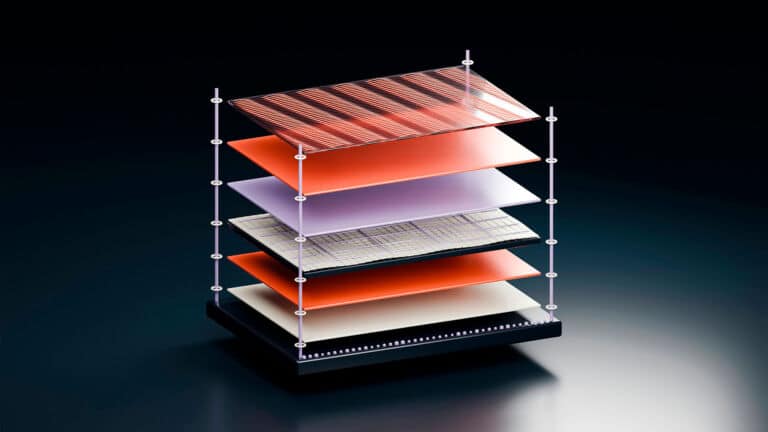
This isn’t some kind of special solar panel. We’re still talking about regular solar panels. The trick lies in a simple addition to them. Experts at the University of Toledo came up with a thin strip of engineered material that you stick along the bottom edge.
That’s it. No melting snow, no extra power, no sensors, no wires. This special strip just sits there, quietly reducing how snow lands and moves. Instead of letting snow build up and smother the panel, the strip makes the whole sheet of snow slip off on its own.
A small strip makes a world of difference to solar panels in the snow
It is a minor addition that has a big effect. Your solar panels will never struggle through the snow again. It uses gravity to fight off the snow. As soon as the snow slides off, sunlight hits the cells again, and the panel goes back to work like nothing had happened.
A special strip is the tiny change that is the difference between a panel that shuts down all winter and one that keeps doing its job. When researchers tested these panels in snowy parts of the U.S. and Japan, the numbers shot up. Over a year, the panels made over 5% more power.
What this solar strip showed researchers in testing
This solar strip works. The 5% might seem like a little, but snow can impact solar panels in snow-ridden places by up to 12% of their yearly output. Getting back as much as half with a small solar strip is impressive.
The strip doesn’t mess with the panel’s normal job.
It doesn’t block sunlight, doesn’t heat up in an odd way, and it doesn’t ruin the panel or void warranties. Experts think it helps panels last longer, since they don’t sit trapped under wet, heavy snow for weeks.
Solar energy could power through the snow for years to come
Dealing with the issue of snow makes solar energy all the more reliable. Northern places like Canada, Norway, or Minnesota could see smooth power all year instead of watching output nosedive after every blizzard.
The snow brings with it cold weather. This tends to be when you need a reliable source of power. Solar panels are a good choice, as they also don’t impact the environment as badly as fossil fuels do.
Homes and businesses get back lost energy, pay off their systems faster, and keep the lights on when winter usually shuts them down. A tiny strip at the bottom of a panel could actually be a new chapter for solar power. After nearly 186 years, solar power can fend off the effects of snow.
Read the whole thing?
Get the week's signal, not the noise
Our sharpest reporting on energy, climate and nature — free, once a week.