In order to go to space, first the ships need to be 100% clean – especially if it’s landing on another planet, like rovers on Mars. If bacteria from Earth land on another planet, this could damage the local ecosystem and adulterate the results from researchers. Scientists are actively working to prevent this. The same works the other way around. If a rover ever comes back to Earth, exposure to Martian bacteria could damage our planet – but so far, NASA hasn’t had success bringing anything back to our planet.
The race they thought was over continued with other nations as “rivals”
Now, NASA is not the only space agency searching the cosmos. Other countries are working on their own projects. Maybe not creating spaceships like SpaceX, but making advancements working in partnership with others – since space doesn’t have any borders, exploring is a right for everyone who would like to try. On the other hand, just when NASA thought that they were ahead of others in this field, China came into the picture.
After the Cold War and the dissolution of the Soviet Union, no other country posed a “threat” to the Americans in the exploration of the cosmos. Now, things have changed. China is actively developing its own space program to send what it calls “taikonauts” to the moon. But first, China will have to deal with a new bacterium that’s not common on Earth.
New bacteria found in Chinese space station: No record of it exists on Earth
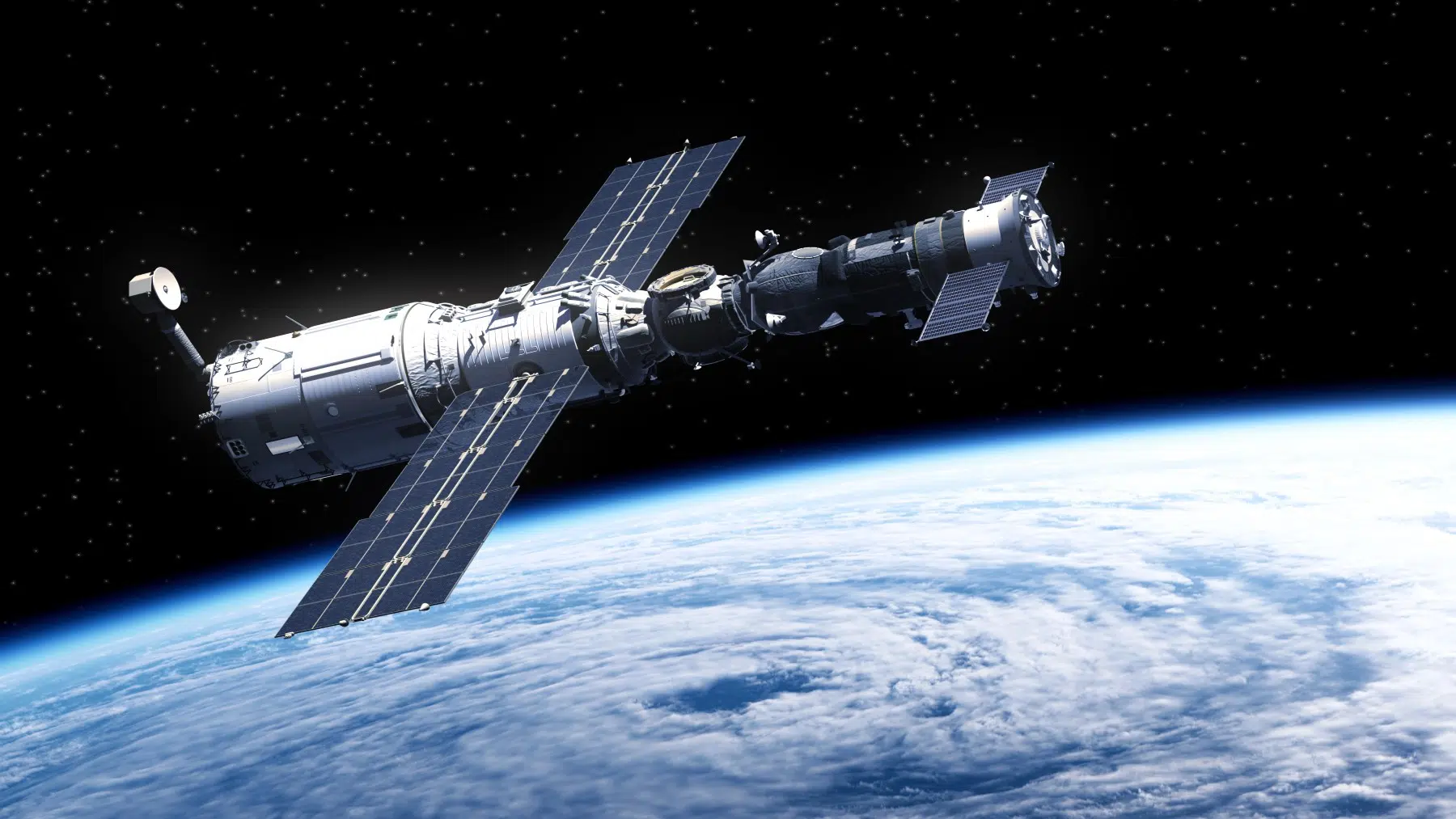
A bacterium never seen on Earth was found on China’s Tiangong space station. Scientists named it Niallia tiangongensis. It was living on parts of the station, surviving in the unusual weightless conditions of space. In May 2023, Chinese astronauts swabbed parts of the station, froze the samples, and sent them back to Earth for study.
The goal was simple: see how microbes behave when humans live in a completely sealed space environment. Researchers discovered that this bacterium is related to Niallia circulans, a species found on Earth—but it has some important genetic differences. Bacteria in this group are rod-shaped, have thick cell walls, and can form tough spores that help them survive harsh conditions.
It’s still a mystery whether this new microbe evolved aboard the station or if it was already out there somewhere on Earth, waiting to be found. China hopes that understanding it will help keep future space travelers safe and improve sanitation for long missions.
China breaks down the bacteria: Its life cycle is revealed
Laboratory tests in China show that this rod-shaped, spore-forming, Gram-positive bacterium has some unique features in its proteins, called BshB1 and SplA. These differences may help it form protective biofilms, handle oxidative stress, and repair radiation damage—traits that make survival in space possible, according to the published study.
The CCTV report points out two key takeaways. First, understanding how this microbe survives could help engineers create better control strategies for spacecraft, agriculture, medicine, and industry. Second, its ability to break down certain organic compounds might inspire new, eco-friendly ways to turn waste into useful resources, both in space and back on Earth.
Bacterial life forms are helping humans
With Tiangong operating continuously, researchers expect a steady stream of discoveries about genetics and metabolism. The insights gained up there could lead to exciting new applications here on Earth, the CCTV report adds. Meanwhile, other bacteria are being used to help humans reach zero carbon emissions – some types are even being used as batteries. What was once considered one of the dangers humans will face throughout life has shown that some are our allies.
Read the whole thing?
Get the week's signal, not the noise
Our sharpest reporting on energy, climate and nature — free, once a week.