
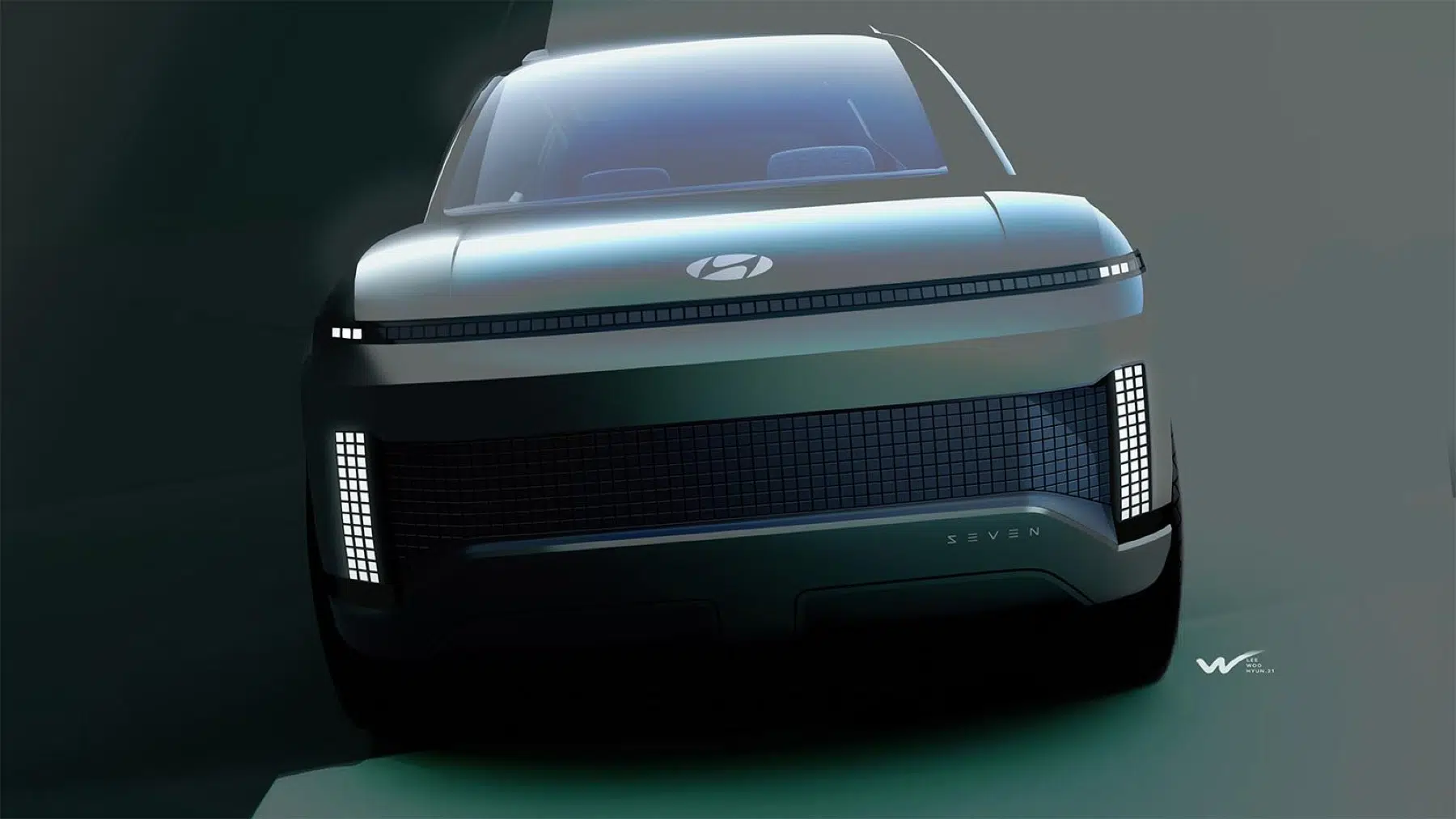
Hyundai is a renowned South Korean car brand you’re probably familiar with. You may not have heard of a car company called Skoda, from Mladá Boleslav in the Czech Republic. These two motoring giants have signed an impressive hydrogen fuel collaboration which will see these companies cement their move towards greener mobility, with the deal reported to be rolled out over two continents.
A hydrogen partnership towards sustainable motoring
The Memorandum of Understanding (MOU) involves Hyundai’s firm grasp of cutting-edge fuel cell know-how and Skoda’s mastery of advanced manufacturing. Reports have also been swirling around of a single-fuel engine that boasts a minimalist propulsion shift and is said to be a game-changer.
The two motoring companies signed their MOU in Prague at the prestigious Korea-Czech Republic Business Summit. Skoda will look to integrate Hyundai’s fuel cell system into existing and future designs in the European territory. Their agreement also involves intensifying their outlook on the future, with extensive feasibility studies being conducted. The benefits of hydrogen as an energy source are also top of mind for Hyundai and Skoda, with Hyundai’s hydrogen value-chain brand coming to the fore in this regard.
Strategic goals
- Intensify market movements towards hydrogen, with the Czech Republic and Europe being the regions of focus for this.
- To skillfully blend Hyundai’s hydrogen knowledge with Skoda’s manufacturing capabilities.
- Looking into hydrogen beyond the confines of the motoring industry in the hopes of leveraging its energy benefits.
Hydrogen is a fuel for the future and these brands are up to the challenge
This collaboration is being anchored by the notion of a “futuristic engine powered by just one fuel,” a sentiment that is being hailed as exemplary, innovative, and could very well be an intriguing disruption in automotive engineering. The details of this are still emerging, but the idea will involve a streamlined fuel cell system centering on simplicity. They will hone their expertise on one energy source, more than likely hydrogen. The aim is to simplify powertrains and provide a solution to save on parts, reduce maintenance pressures, and raise efficiency.
Potential pros
- A move towards mechanical simplicity. This should lead to savings in cost and more efficient manufacturing.
- Refining performance, with one fuel being focused on, which will allow for more finely tuned engines.
- Adaptivity, in the hopes of ensuring the innovation is joined seamlessly with the array of models and brands that will be selected.
Sustainability and modular designs will be points of emphasis, even though things are at present still in the conceptual phase.
What makes this automotive innovation matter
- Amping up decarbonization: Sure-footed steps are being taken by Hyundai and Skoda with their MOU spotlighting the benefits of hydrogen in transportation.
- Minimal risk and optimum reach: The idea is not to start this initiative from the ground up but to aim for integration that stems from existing hydrogen expertise, which will be informed by feasibility studies and an array of pilot projects drawing on increasing scale while reducing risk.
- A dual innovation path: Hyundai and Skoda have a two-pronged strategy in effect. Cooperative infrastructure deployment and simple modular designs. Low emissions remain the target, and these companies will look to achieve this by looking beyond EV-only models.
The Hyundai–Škoda hydrogen collaboration and their enticing single-fuel engine concept are a gust of some much-needed fresh air in an automotive sector that has been heavily focused on electric motor vehicles.
A shift in the ideals of sustainability in motoring is at hand, and partnerships like this should guide the global industry towards cleaner and smarter car innovations. It is safe to say the future of hydrogen energy is in good hands, and this collaboration is sure to yield a multitude of exciting developments in the automotive space.
Disclaimer: Our coverage of events affecting companies is purely informative and descriptive. Under no circumstances does it seek to promote an opinion or create a trend, nor can it be taken as investment advice or a recommendation of any kind.
Read the whole thing?
Get the week's signal, not the noise
Our sharpest reporting on energy, climate and nature — free, once a week.


