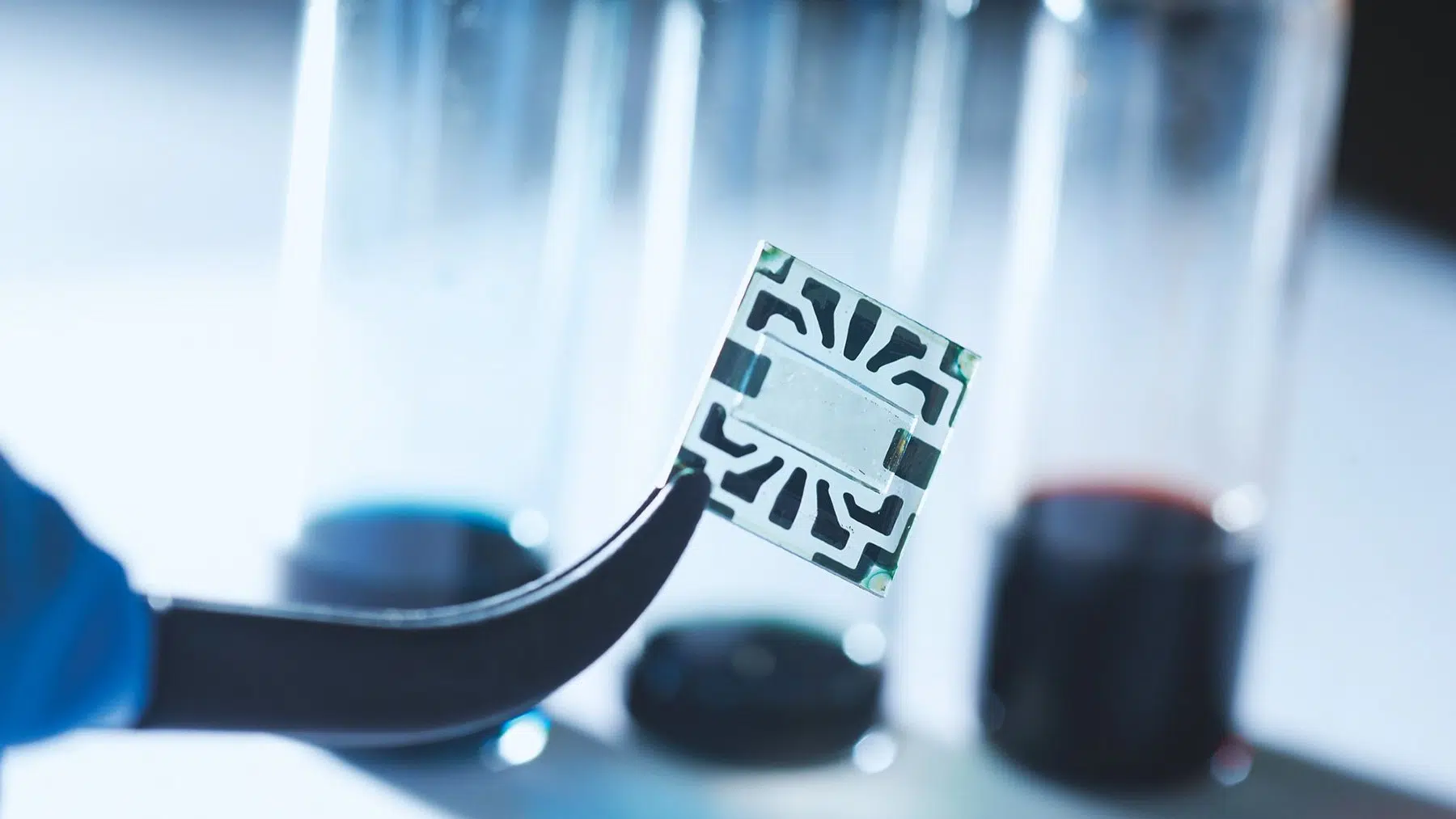
Japan may be shaking global photovoltaics with intentions to adopt a futuristic cell of note that is said to be a solar cell much thinner than paper.
Approximately seventy years after the invention of modern solar panels, a futuristic cell could be changing the game in labs that are away from traditional solar strongholds. Although solar adoption has soared and costs have dropped by nearly 90% since 2010, the basic design that compromised of bulky, rigid, glass-encased silicon cells has remained the same. MIT engineers are, however, piquing global interest and getting Japan most interested as solar inventions are a priority in Japan. On offer by MIT engineers is a featherweight, paper-thin solar cell that can be laminated onto virtually any surface whilst still having the power to turn rooftops or even drone wings into instant power generators.
Starting a solar panel trend from the ground up
An entirely new solar cell has been created by the researchers at MIT’s Organic and Nanostructured Electronics Laboratory (ONE Lab). This solar cell seems to be as flexible as fabric and weighs 100 times less than more conventional panels. A core feature to note is that these ultralight modules can generate 18 times more power per kilogram in comparison to more traditional solar systems.
These solar panels were created using printable electronic ink cells get layered onto a plastic substrate only 3 microns thick and are then completed with a screen-printed electrode. After being printed, the module is gently peeled off and laminated onto a high-strength composite fabric called Dyneema. This material, weighs merely 13 grams per square meter, however, provides the resilience required to handle and deploy the ultra-thin cells without damage.
According to Mayuran Saravanapavanantham, co-lead author of the study, “This decoupling of the fabrication from the final surface integration is critical. It allows us to use high-performance fabrication techniques without being limited by what surfaces we can print on.”
Solar on the move: flexibility to note
Due to traditional solar installations being heavy and immobile and typically requiring aluminum frames, mounting rails, and reinforced rooftops, these solar panels seem more flexible. These solar sheets are so light that they can rather easily be rolled up, transported, and deployed within minutes.
The durability of the fabric panels also underwent tests with the researchers rolling and unrolling them over 500 times. The panels proved to be durable retaining more than 90% of their initial power output after all the rolling and unrolling. The question is could these solar cells be following in the footsteps of Sego Innovations’ origami solar cells that can produce energy everywhere.
Can these solar cells outperform traditional panels?
Raw performance data shows that this freestanding solar module can generate an impressive 730 watts per kilogram. When it is mounted on Dyneema fabric, it accurately delivers around 370 watts per kilogram making these panels generate about 18 times more than traditional rigid panels.
Despite the positivity, these ultrathin cells are still vulnerable to moisture and oxygen. Efforts in encase the cells in glass defeats the purpose, however, methods are being developed to encase the cells. “Integrability is the next great frontier in solar,” explains Professor Vladimir Bulović, senior author of the study. “It’s not just about efficiency and cost anymore—it’s about how and where we can deploy solar energy generation.”
A brand-new chapter in solar energy’s story
Japan has shown an interest in adopting ultrathin solar technology. Since Japan already focuses on compact, integrated design, renewable energy innovation and has introduced 30 years of free infinite energy to homes, it’s understandable why they are so enthusiastic. Backed with funding from Eni S.p.A., the National Science Foundation, and Canadian research agencies, the MIT team is now working to streamline manufacturing even further. Mass production of these panels would mean a brand-new chapter in solar energy’s story.
Read the whole thing?
Get the week's signal, not the noise
Our sharpest reporting on energy, climate and nature — free, once a week.