
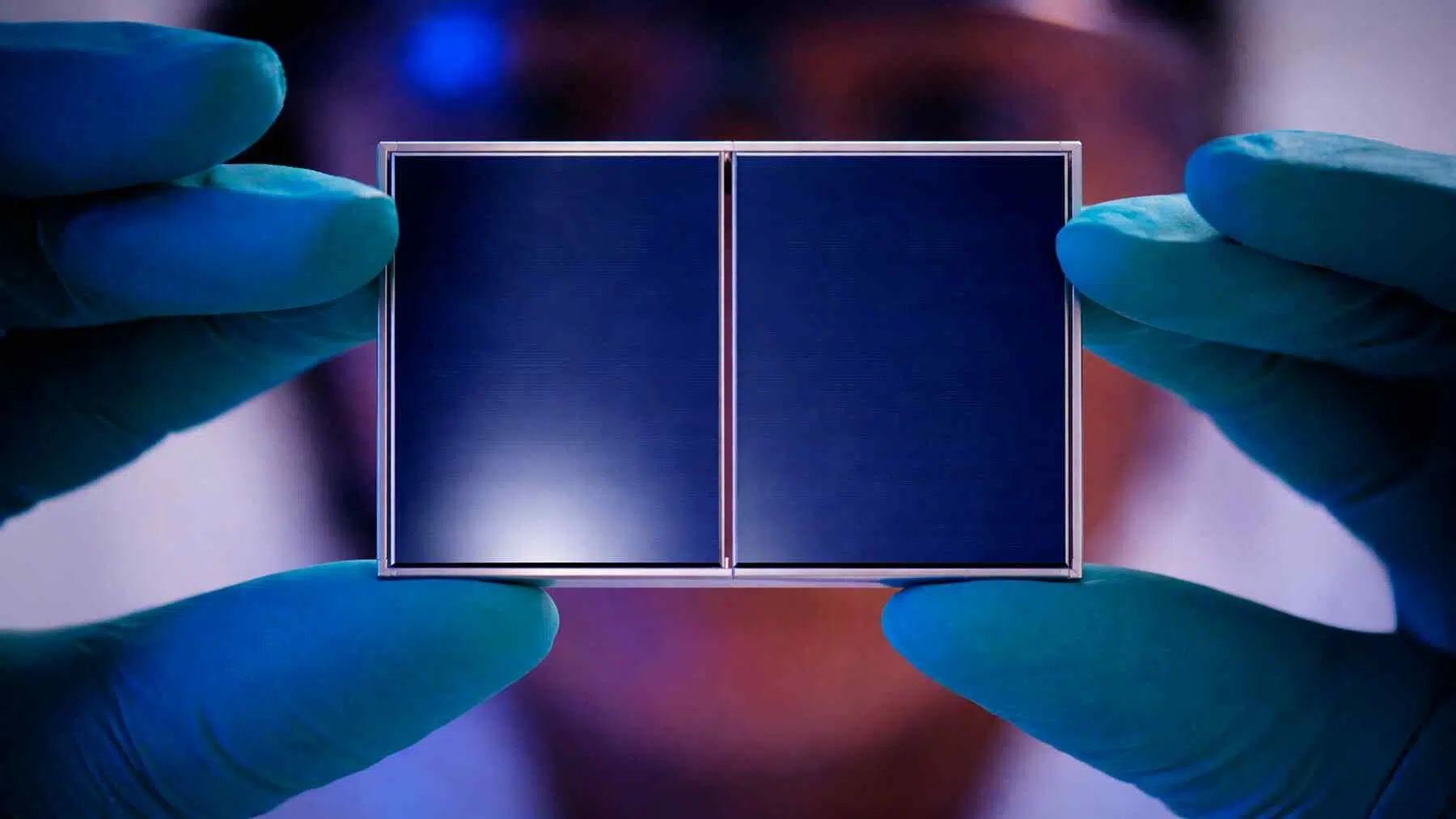
The refrigerators in our kitchens have mostly stayed the same since they were invented.
The technology that dominates our lives has changed in every conceivable way over the past few decades. Everything from the phones in our pockets to the cars we drive every day has become far different from their original versions. So what could be the next kitchen innovation?
How would you feel about a fancy new refrigerator cooled by ultra-thin films?
How our refrigerators have changed since they were invented
Alexander C. Twining is often credited as the inventor of the first commercial-scale refrigerator.
He essentially created the “practical machine” to be used by restaurants and breweries to preserve their products. The first time that the public had access to refrigerators was when General Electric introduced the “monitor-top” in 1927, bringing the technology to millions of average American kitchens.
Powell Crosby Junior was the first person to install shelves in his fridges, something we all take for granted now.
Refrigerators have offered us the chance to stretch the lifespan of the food we eat by keeping it as cold as possible. So what else could be done to make them more efficient?
Our society has developed a world of ultra-thin materials for practical use
Science and technology have created a new world of ultra-thin materials that have reshaped the world.
One example is Graphene. This ultra-thin substance is only one atom thick. Despite graphene being 300,000 times thinner than an average sheet of paper, it is remarkably strong, 200 times stronger than steel, in fact.
Science has seen some astonishing innovations in recent times.
From one student who created his own wooden electric car, to the more recent ultra-thin smartphones that are close to disappearing in our pockets. A new world of innovations has become a possibility.
The homes we live in have come a long way, too.
A large portion of the global population is aiming to disconnect from their national grids and power their homes through solar or wind power. One thing that could help that dream is a more efficient refrigerator in their kitchens.
A team of scientists with a proclivity for the thinnest materials in the world has spent their days at the John Hopkins University developing a truly remarkable material.
Your kitchen may become the home of our latest innovative creation
The team of scientists from Johns Hopkins Applied Physics Laboratory has created what they describe as a “nano-engineered” material.
Controlled Hierarchically Engineered Superlattice Structures, or CHESS, is an ultra-thin material that has twice the efficiency of conventional thermoelectric cooling systems. Most refrigerators use a compressor to pump cool air into the system that circulates it around the refrigerator.
Even the fanciest new fridges with TV screens plastered on the front of them that talk to us use these ancient compressor systems to keep cool.
Thanks to this new innovation, that will soon become a thing of the past. Developed in partnership with Samsung Research, this ultra-thin material provides a 100% boost in cooling efficiency.
Our technological advancement has created a new era of science inspired by our films and dreams
Technology has enabled us to reach into the world of science fiction to develop astonishing new creations. We have even gone so far as to develop new methods to send energy that is straight out of Star Trek.
As the ultra-thin CHESS is so small and remarkably efficient, it can be scaled either up or down as needed.
Our technological advancements have led to several innovations, from new wind turbines to the more recent CHESS ultra-thin material that will keep our refrigerators operating at maximum efficiency. We are on the verge of a technological revolution.
Disclaimer: Our coverage of events affecting companies is purely informative and descriptive. Under no circumstances does it seek to promote an opinion or create a trend, nor can it be taken as investment advice or a recommendation of any kind.
Read the whole thing?
Get the week's signal, not the noise
Our sharpest reporting on energy, climate and nature — free, once a week.


