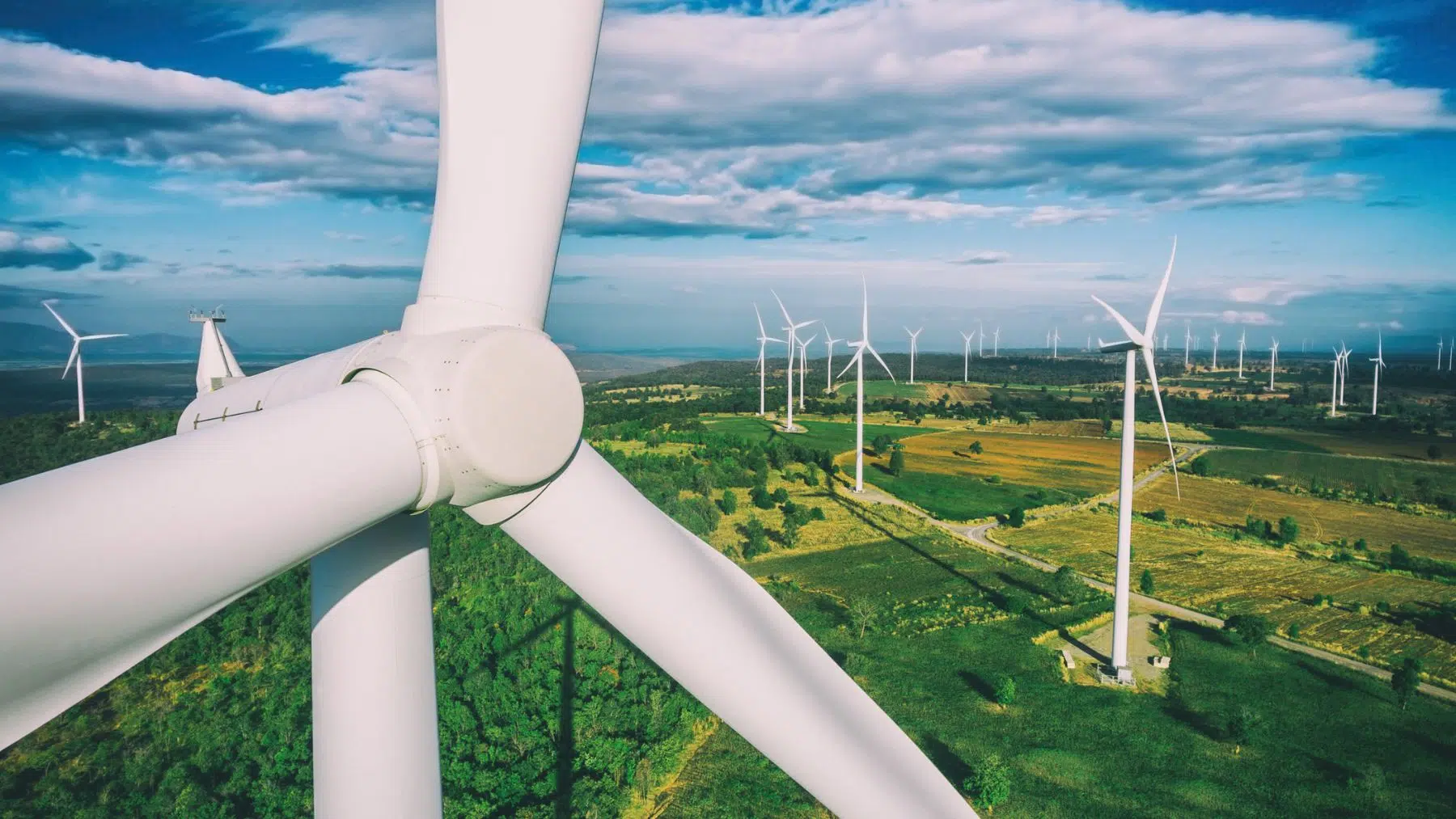
For years, wind energy has been a widely acclaimed success story in the area of renewable energy. Large wind turbines have been built in rural areas across the U.S. (in addition to being installed on coastal waters), and they are seen by many as a symbol of a clean, quiet, and virtually maintenance-free method of generating electricity. Wind energy is portrayed in media coverage, marketing campaigns, and policy debates as a vision of the future.
Turbines are operated by engineers and professionals who understand how much stress they endure
Wind turbines can be subjected to extreme levels of stress from high wind speeds, corrosion from saltwater and other marine environments, very low and high temperature ranges, and continuous mechanical wear. These combined environmental conditions create very challenging maintenance issues for engineers and technicians. That these wind turbines have now become a common feature of our visual environment has created a false impression that they will be easier to maintain than they really are.
In the U.S., there has been a significant amount of skepticism regarding wind energy that emerged much sooner and louder than in many other countries. Skeptics did not merely complain about aesthetics or the potential for noise pollution. Instead, skeptics complained that wind energy posed operational risks, increasing maintenance costs, and that the sheer size of the turbines made it nearly impossible to inspect them.
It appears that the industry has finally acknowledged that the downside of wind energy (particularly with regard to maintenance and inspection) represents one of the largest vulnerabilities of the technology. Failure of components (turbine blades, hubs, and towers) can result in reduced output, costly downtime, or catastrophic failure.
Advanced autonomous drones come into the fold
Advanced autonomous drones have started to come on the market to monitor how well Wind Turbines operate, inspecting the wind turbine blades at the same time as the wind turbines are running. Companies like Aquada-Go are making AI-driven inspection systems that can find microcracks, erosion, structural defects and other imperfections that cannot be seen by the human eye and/or are too dangerous for a person to inspect.
These drone technologies can also reduce the amount of time it takes to conduct an Inspection from days to hours.
A variety of engineering publications have noted that these new drone technologies directly address several of the specific concerns voiced by American critics many years ago. Wind turbines are not “set-and-forget” pieces of equipment. Long-term reliability of wind turbines depends upon consistent and ongoing monitoring, rapid diagnosis, and predictive maintenance – all of which human-based methodologies cannot support. Drones enable operators to identify problems quickly.
The critical reasoning for the shift to drone-based inspection
One reason why the shift to drone-based inspection is especially critical is that wind farms are growing larger and moving further out into the ocean, where accessibility is even more limited. A single turbine failure at sea can result in millions of dollars in lost energy production and repair costs.
Autonomous drones, which can successfully operate in extreme weather conditions and remote locations, offer a means of making renewable energy scalable without ignoring the physical realities of the equipment involved.
As drones begin to take on the most difficult and least addressed portions of turbine maintenance, the industry is quietly acknowledging that America’s initial skepticism of wind energy was based on the recognition of complexity. Wind turbines do work, but they are not effortless; today, the industry is demonstrating that this complexity is real and that it can be managed through technology. The future of wind energy may still be bright, but it will no longer be driven primarily by ideological ideals, but instead by machines watching over machines.
Read the whole thing?
Get the week's signal, not the noise
Our sharpest reporting on energy, climate and nature — free, once a week.