
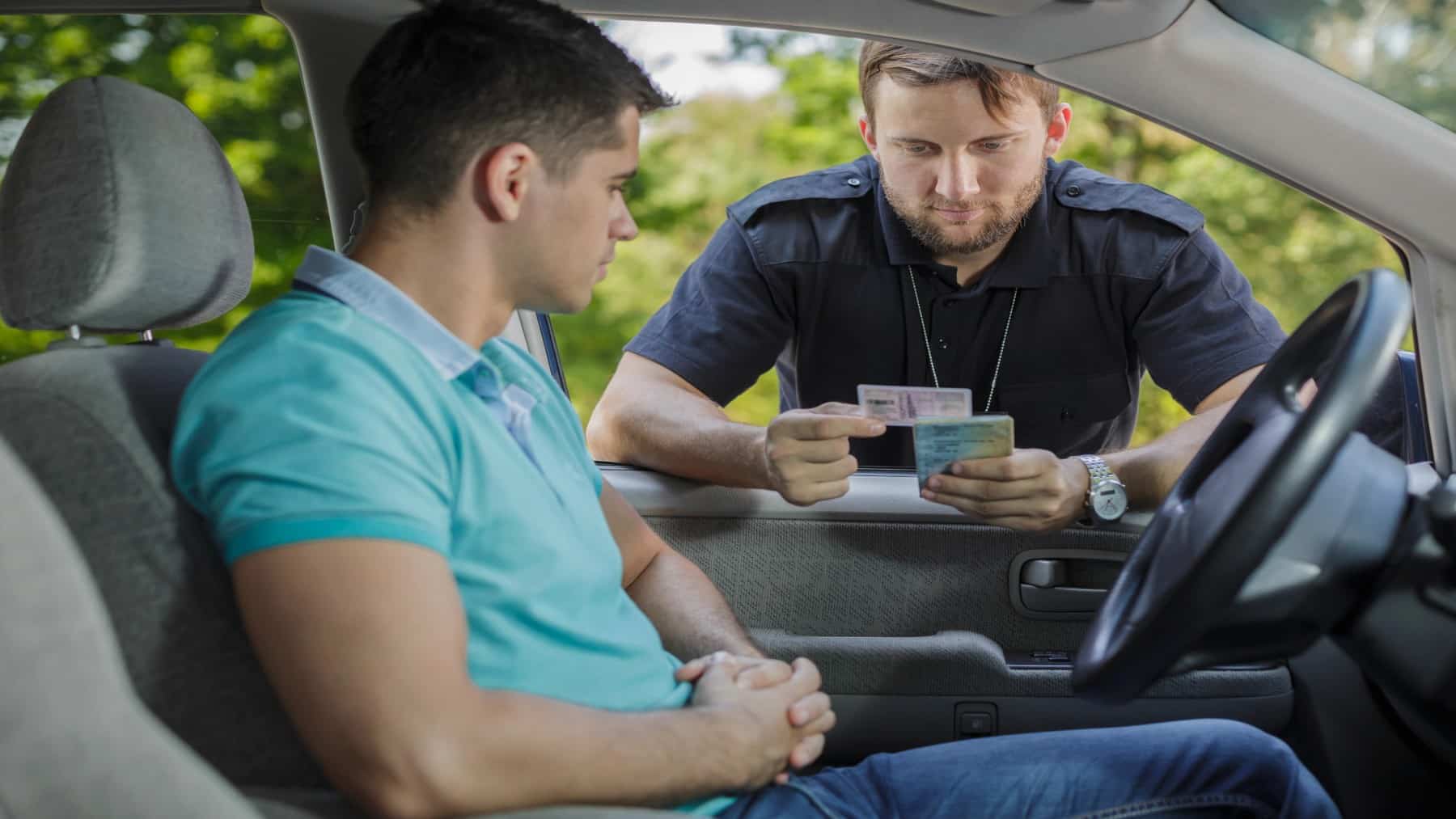
Drink-driving takes thousands of lives every year across the world, and in England and Wales, it is no exception. While alcohol limits in the blood vary in some areas, experts confirm that there is no safe level of alcohol consumption. Even having a glass of water to supposedly “moderate” yourself does not make it safe. One of the main reasons authorities are considering lowering the drink-driving limit is to make it feasible for most people to take an Uber home after just one drink.
England and Wales might change soon: A New measure could come into effect
Different drinks have varying levels of alcohol, meaning that a glass of wine is not the same as a shot of whiskey or vodka. The taste and the burn are a clear signal of the high alcohol concentration. Even if more experienced drinkers tolerate alcohol better, it does not mean that the level in their bloodstream is low – it simply affects them differently.
With this in mind, rumours emerged in mid-August that England and Wales could lower their drink-driving limit from 80mg per 100ml of blood to 50mg. This would drastically change the situation, as it takes very little alcohol to reach 50mg in the bloodstream. Similar measures have been implemented elsewhere in Europe, and these two countries may adopt them very soon.
Lower limits and fewer accidents: Scotland already leads the way
This change, proposed by the Institute for Alcohol Studies, would align England and Wales with Scotland, which lowered its limit in 2014, and most of Europe, where 50mg or less is standard. Around 200–300 people die in drink-driving collisions in Great Britain, with thousands more suffering life-changing injuries. Local news is filled with stories of paralysis, brain damage, and amputations. Focusing solely on deaths obscures the wider impact. Drinking before driving has become disturbingly normal, with people casually accepting the risk, despite handling a large and potentially dangerous machine – especially if riding a car with enough horsepower to compete with race vehicles.
Drink-driving deaths fell in the 1980s and 1990s, but since 2010 they have plateaued at around 230 per year – and in the last three years, the figures have crept up again. Even when people know that drink-driving is illegal, they often assume they are unaffected. Research shows that someone with 70mg of alcohol in their blood – still legal in England and Wales – feels as confident as when sober.
Numbers don’t lie: Hundreds of people die every year
In reality, drivers’ reactions are slower, less accurate, and they tend to weave in their lane. Even at 50mg, drivers are noticeably impaired. The risks are clear: drivers with 20–50mg in their blood are at least three times more likely to die in a crash. Between 50-80mg, the risk rises to six times, and at 80–100mg, it jumps to eleven times – information that England and Wales could benefit from.
In 15 European countries, lowering the limit from 80mg to 50mg cut deaths among 18–25-year-olds by 11.5%. In Australia, Queensland saw an 18% drop in fatal accidents after lowering the limit, and New South Wales saw an 8% reduction, with random breath testing being very important. Sweden went even further, reducing the limit to 20mg in 1990. Fatal crashes fell by almost 10%, and serious offenders were less likely to be involved in accidents.
Population wouldn’t be warned: Enforcement is crucial
In recent years, drink-driving enforcement in England and Wales has declined – breath tests are down 63% since 2009. Back in 2016, ministers argued that resources should focus on “the most serious offenders.” However, with fewer checks, everyone’s risk increases. Any lower limit must be accompanied by visible enforcement and public campaigns to educate drivers, and a petition coming from the people could put pressure on authorities to put this idea into effect.


