
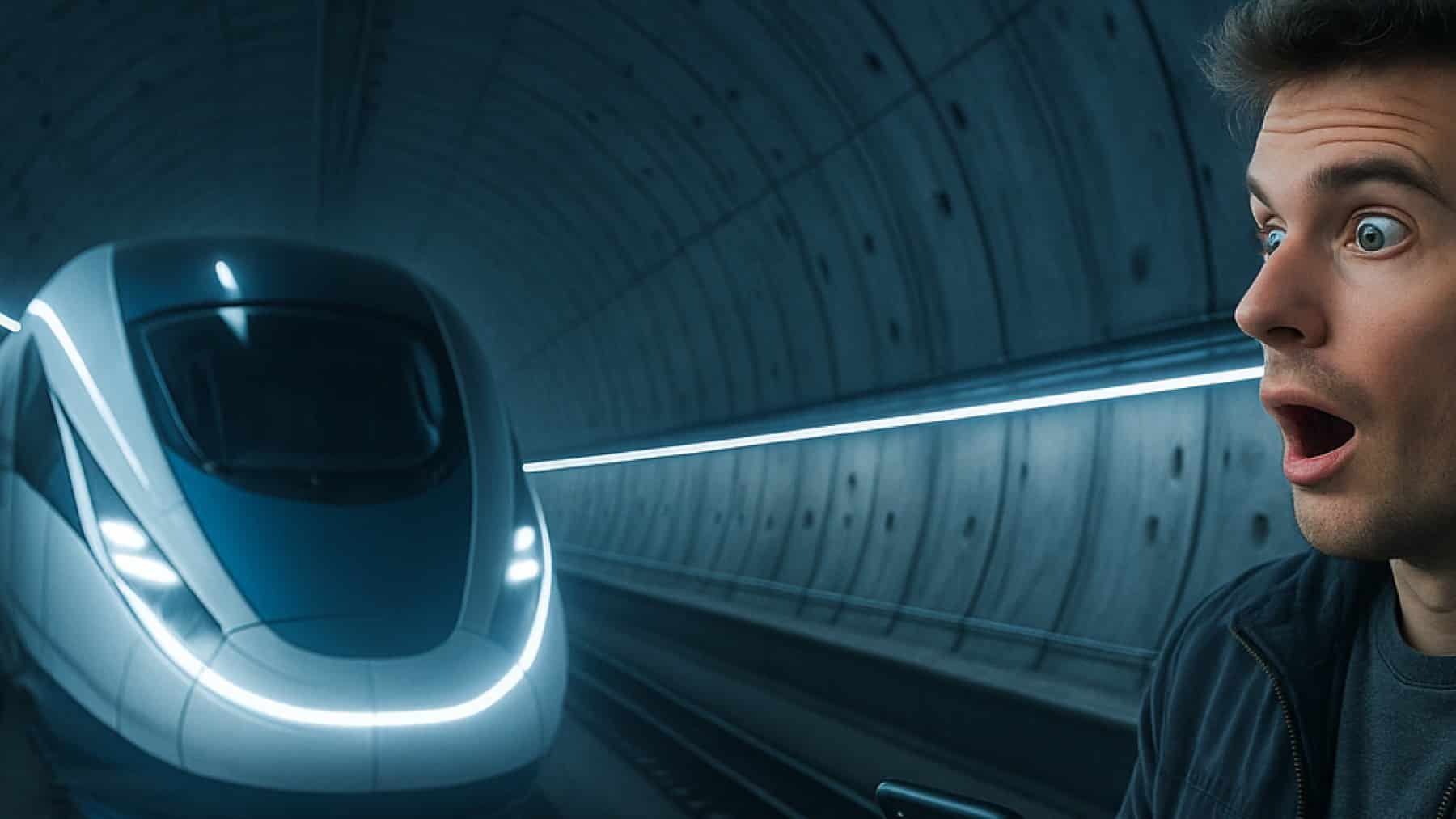
The modern age has introduced significant and innovative changes to the world across various sectors. One sector in particular that has evolved at a significant pace is the transport sector. Historical unveilings stretch from the wheel to the steam engine, and now, the world may soon see the first-in-history continental high-speed rail network. The new mode of transport could make others obsolete, as it could take you from London to Helsinki or Kyiv in just three to five hours. Find out how soon the transport sector will change.
The history of transport in the UK
The 18th and 19th centuries in the UK were a significant time in British history, as they encompassed the Transport Revolution, initially spurred on by canals. The primary focus was on improving waterways and broadening and aligning canals to transport goods. Soon, the transport sector saw steampower, railways, and steamships, all helping to shape transport in the UK, according to a YouTube video by Hand Drawn History.
The late 19th and 20th centuries symbolised a rapid change in the transport sector, as industrialisation and specialisation set the course in transitioning to more modern transport modes. Historical discoveries have led to interesting modes of transport, but none will come close to the first-in-history continental subway.
This new mode of transport could result in others becoming obsolete, but how soon can the world truly be connected by this continental subway?
Unveiling the first-in-history continental subway
According to the experts behind this new mode of transport, it will be publicly funded and managed by approved national rail companies and will be administered by a new European Rail Authority (ERA), which will be within the EU framework to ensure the system’s coordination, interoperability, and long-term expansion.
Copenhagen-based 21st Europe is planning on making a Europe-wide high-speed rail network a reality, and it would function like a continental subway. The project is known as Starline, aiming at evolving the world’s “fragmented, uneven, often slow” rail infrastructure and introducing ultra-fast connections to rival transport by air. It can even rival the first autonomous multirotor flying car.
“Designed like a metro system, [Starline] changes how Europeans perceive their own continent – not as a collection of distant capitals, but as a single, fast-moving network where every connection, whether for people or goods, is within easy reach.” – 21st Europe
Additional benefits of connecting the continent with these subways
Starline will be a 22,000-kilometre network connecting 39 destinations in European countries, including the UK. According to a report by Euro News, the continental subway system will be nearly 30% faster than present road and rail travel. That means that travellers could travel from Helsinki to Berlin in just more than five hours instead of an entire day journey.
Additional benefits
- Starline trains will have easily recognisable deep blue livery
- Carriages will be divided according to passenger needs, such as quiet zones and family-friendly sections
- Major cities will have stations with connections to the present urban transport systems
- These stations will serve as cultural hubs, featuring restaurants, shops, and well-designed waiting areas, as well as concert halls, museums, sports venues, and event spaces
- It will form part of a greater environmental project
According to 21st Europe, Starline would require collective labour agreements, safety regulations, and technical standards before it can operate as a European system. The world may view this project as highly ambitious, but 21st Europe believes the Starline project could become a reality by the end of the next decade. We may not live long enough to witness the revolutionary continental subway in operation, but we will live long enough to witness these changes to the national speed limit in the UK.
Disclaimer: Our coverage of events affecting companies is purely informative and descriptive. Under no circumstances does it seek to promote an opinion or create a trend, nor can it be taken as investment advice or a recommendation of any kind.


