
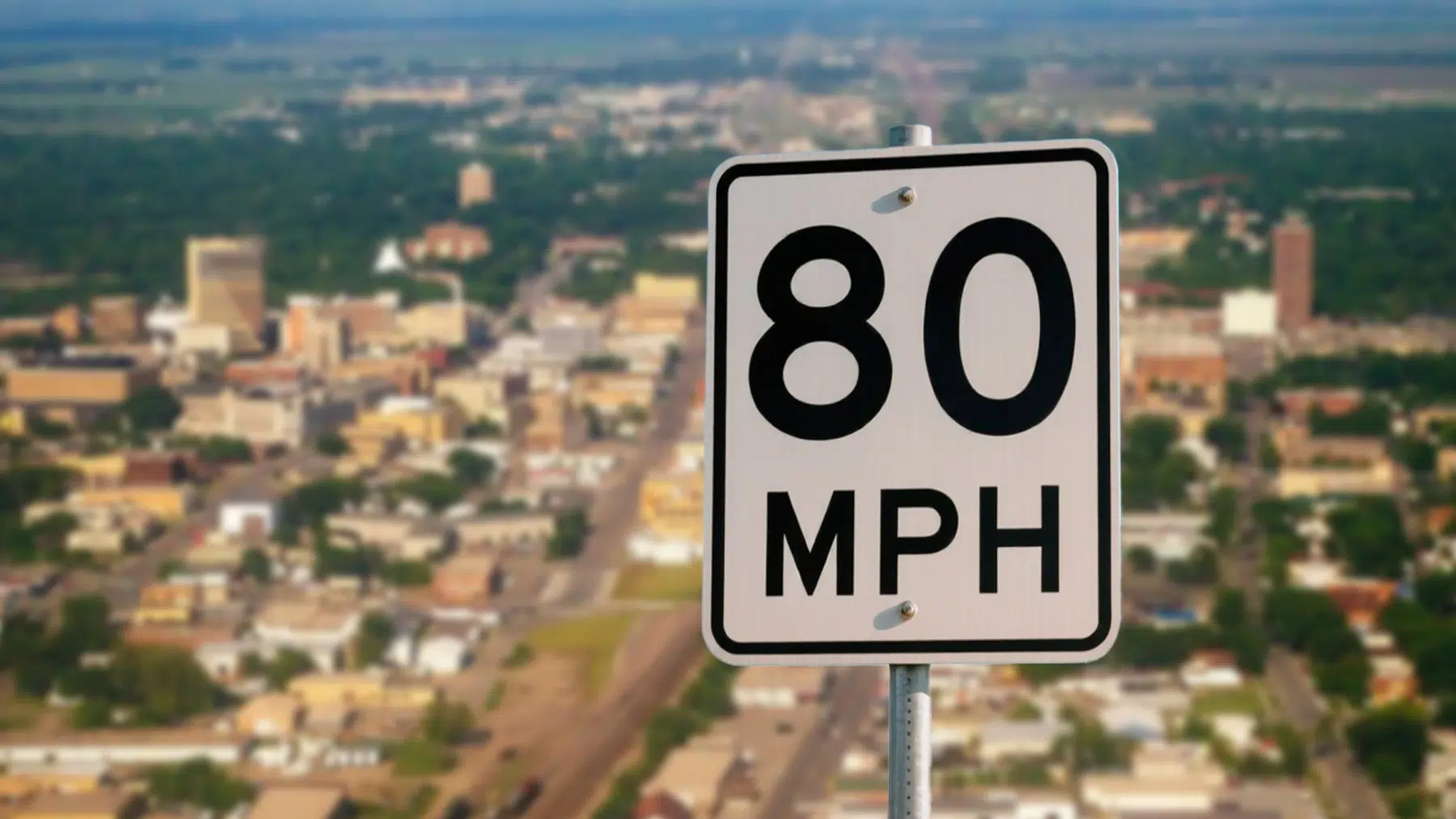
North Dakota is set to implement new speed limits. The limit on I-94 and I-29 sections will be lifted to 80 mph from the previous 75 mph, boosting speed on the state’s prairie interstate routes. The previous statewide hike came in 2003 when the limit was bumped from 70 mph to 75 mph.
Why the change in speed limits on these routes?
Reports indicate that this change is a result of matching the capabilities of newer vehicles and taking advantage of the expansive space these routes occupy. This isn’t a blanket change, as some miles won’t be bumped up. These include more built-up areas and curves found in the Badlands, which will be kept at a slower speed for the time being, so as to ensure safety.
Policing will remain steadfast despite the increase in speed, with North Dakota Highway Patrol troopers still being on high alert. They are being mindful of people assuming 85 mph or 86 mph is the expected or tolerated speed. Fines against infringements will start at $20, with $5 being added for every mile per hour one goes over the new limit. While the routes are being readied with new signage, drivers will be afforded a grace period in which they can travel at the previous limit before all the signs are changed.
The areas of North Dakota to look out for where the speed may be as low as 55 mph
So, where does the fast lane become slower? 70 mph sections have been assigned to Grand Forks, Valley City, Jamestown, and Dickinson, as well as the Badlands curves not too far from Medora. Bismarck and West Fargo have also received slower stretches along with the I-29 into Fargo, where drivers will be required to reduce their speed to as low as 55 mph in certain parts.
North Dakota House Bill 1298 is being monitored very closely by lawmakers. The freedom of higher speeds is being afforded, but cautiously. Rural stretches of North Dakota will resemble neighboring states with 80 mph sections, but areas with heavier traffic and short ramps will be cut down to lower speeds, taking into consideration points at which merging is increased. Urban areas will also be slowed down with the speed limit being trimmed to 55 mph on the corridor in West Fargo.
There are areas in which horizontal curves cut lines of sight, as is the case in the Badlands and in metropolitan areas with an abundance of on-ramps and demanding interchanges, which can reduce reaction times. The idea is to tailor speed limits to reduce the likelihood of accidents but allow for speed in between towns, an approach that has been adopted by a few states.
Patrols will increase along with the speed limit
The state feels that travel times will be quickened as a result of the additional 5 mph, which might align better with how many motorists already travel. But patrols on these routes will be heightened, which could circumvent the advantages that come with it. Drivers are urged to look for transition signs, especially near Grand Forks, Bismarck, and Fargo, as these will be heavily policed.
Safety is of more concern than quickness, and the North Dakota Department of Transportation’s approach will see elongated buffers near metro sections, and the increased patrols will be in place to aid drivers in adjusting to the changes. This may take some time, but the state says the changes are meant to balance safety with faster travel times.
80 mph is the new norm, but this is not a blanket approach, and that has been done purposefully. Keep the buffers and signs in mind, as while this state’s freeways become faster, the penalties for negligence can be more severe than just a financial inconvenience.
Read the whole thing?
Get the week's signal, not the noise
Our sharpest reporting on energy, climate and nature — free, once a week.


