Car manufacturers are making the transition from combustion engines to hybrid machines and full electric powertrains. This is not just a regular switch – it will affect the whole industry in a couple of years. For now, combustion engines are the preferred choice, but the search for electric and hybrid vehicles has been growing. As renewable sources of energy continue to grow, what if you could have hydrogen power under the hood? Well, that’s not as exciting as it looks like for a couple of reasons.
The reason why hydrogen power is not enough
Hydrogen cars promise fast refueling and clean emissions, but the infrastructure just isn’t there. According to the U.S. Department of Energy, as of mid-2025, there are fewer than 60 public hydrogen stations in the entire United States — and almost all of them are in California. Compare that with over 180,000 EV charging stations across the country, and the gap becomes obvious. That means even if a “water-powered” car could compete with EVs on range or performance, the refueling network isn’t ready to support mass adoption. And building that network is expensive and slow.
There’s also the question of how “green” hydrogen really is. Most hydrogen today is made using natural gas through a process called steam methane reforming — which still releases significant carbon emissions. “Green hydrogen” made with renewable electricity and water electrolysis exists, but it’s costly and accounts for a small fraction of current production. The International Energy Agency reported that in 2023, less than 1% of global hydrogen supply was produced through clean methods. So while the concept might sound like the future, the reality is still far from clean, cheap, or convenient.
The new engine from Donut Labs
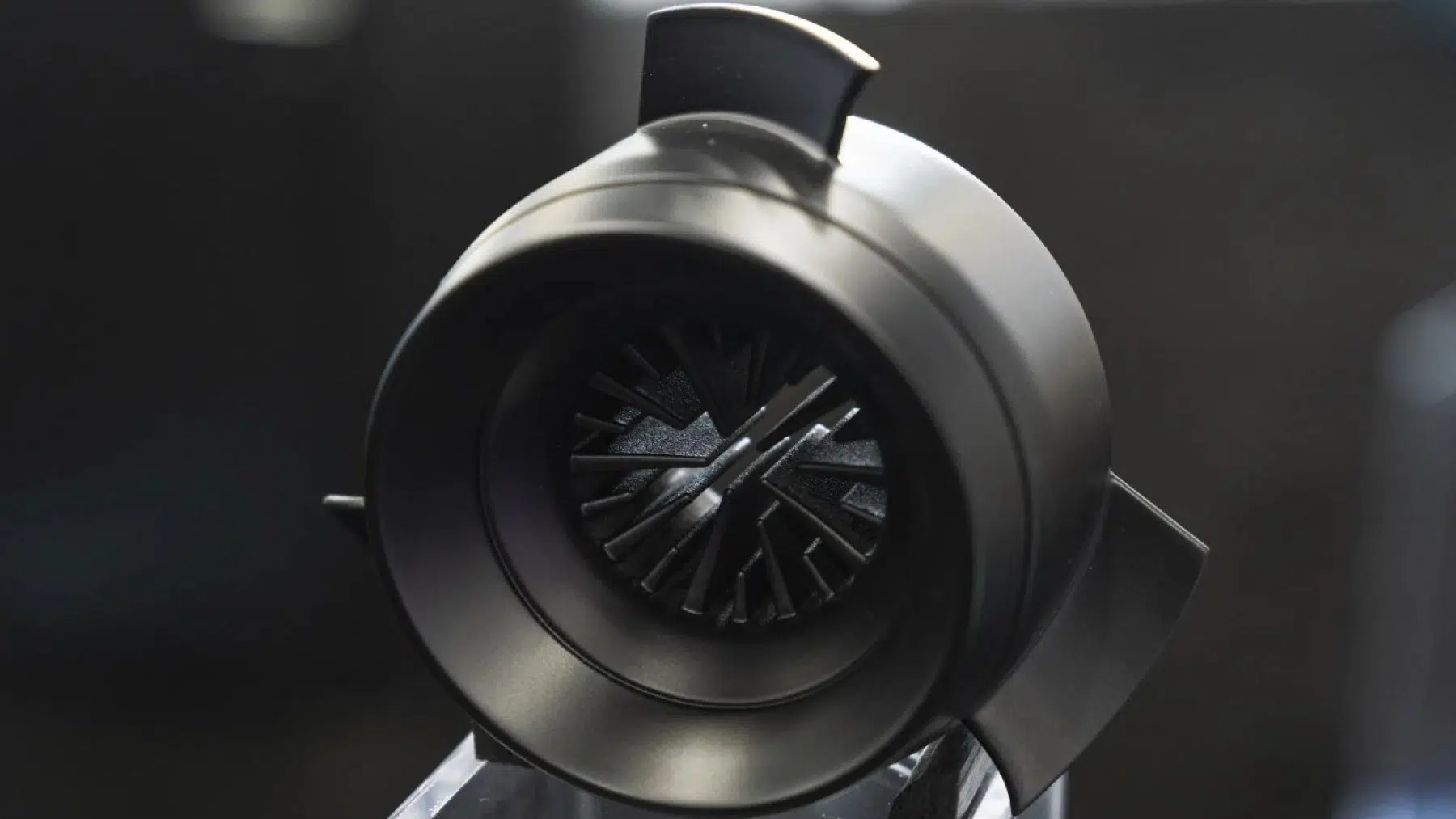
British startup Donut Labs has introduced a new electric motor, the “Donut Motor,” with performance numbers that put it in direct comparison with Koenigsegg’s well-known Dark Matter motor. Donut’s unit produces 856 horsepower and weighs just 88 pounds — slightly more powerful than Koenigsegg’s, which offers 822 horsepower at a similar weight.
The torque figure, however, is what really stands out. In its automotive configuration, Donut Labs claims the motor can deliver up to 3,172 lb-ft of torque. While that number likely comes from ideal lab conditions, even a scaled-down output for road use could still represent a substantial performance boost.
What sets this motor apart is its integration into the wheel itself. The 88-pound figure might sound too heavy when applied directly to a tire, but Donut Labs says smaller versions are being designed for practical use — especially considering that 856 horsepower per wheel is far beyond what any street car would need. The company believes lighter, scaled-down versions could still deliver strong output without the downsides of heavy unsprung mass.
That specific concern — unsprung mass — has always been a barrier to widespread adoption of in-wheel motors. But according to Donut Labs CEO Marko Lehtimäki, their latest design changes that. He claims the torque and power density reduce the relative weight to the point that it no longer affects performance negatively.
Some versions are already in use in motorcycles
Lighter versions are already in use in Verge motorcycles, where weight sensitivity is even greater than in cars. Donut Labs also says that their motor can be up to 50% cheaper to produce than traditional EV motors, which could make them a strong option for more affordable electric vehicles if manufacturers decide to adopt the technology.
Some older engines are also being reimagined to meet the current needs of the automotive industry. The Wankel engines from Mazda are a great example of this. The Japanese manufacturers have the intention to turn the small triangle into something that can run on multiple fuels – not only gasoline.
Read the whole thing?
Get the week's signal, not the noise
Our sharpest reporting on energy, climate and nature — free, once a week.