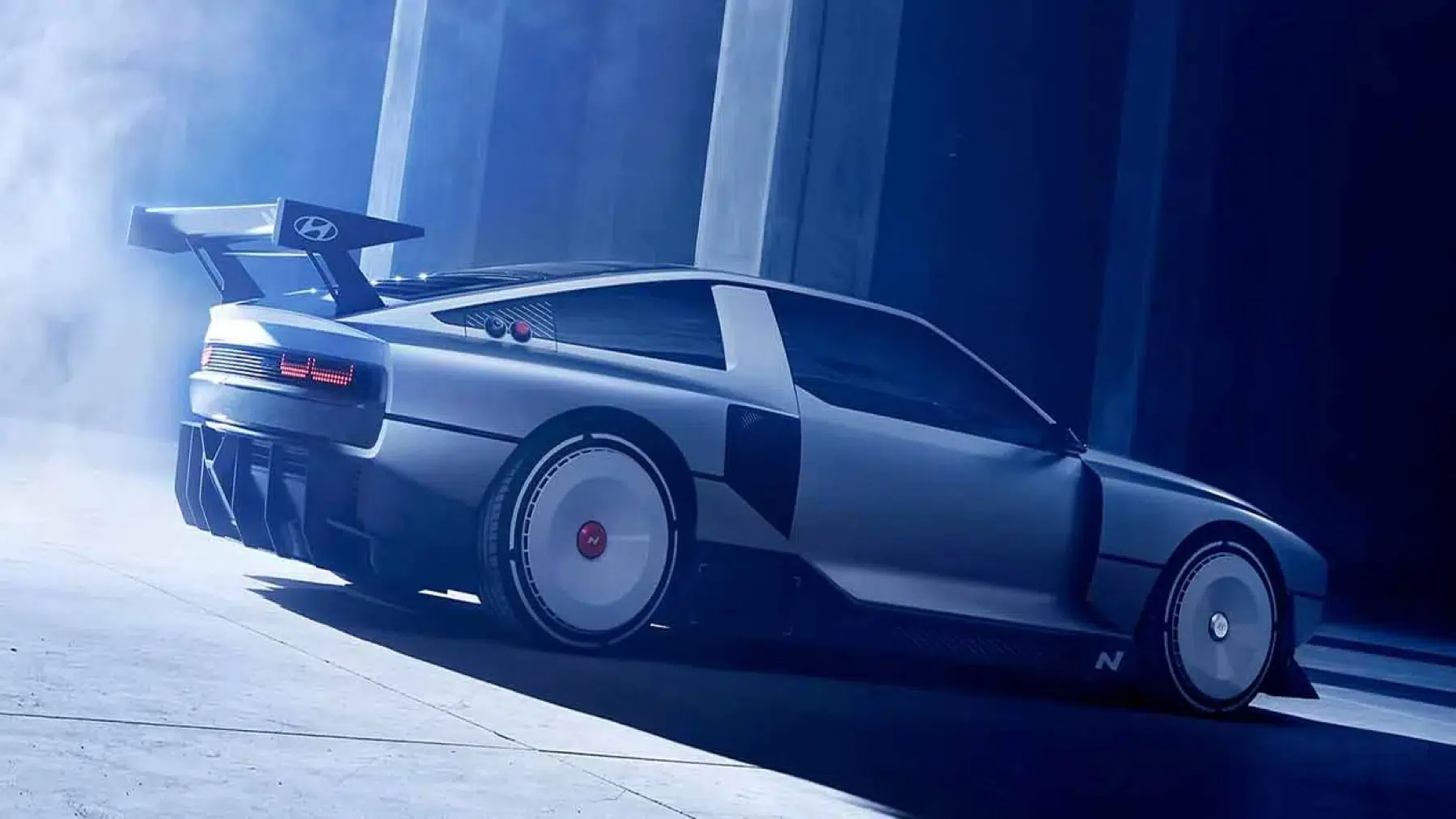
Toyota’s legendary car comeback didn’t last long, as the company responsible for the new edition of the model dropped the project. A couple of automakers have been bringing back old models with some updates – some of them are so exclusive that they are built with specific companies that specialize in reimagining the design and keeping most of the things the same way they were decades ago. It could come back with a hydrogen or electric engine, but instead, the company opted for other features.
Korean manufacturer takes on the challenge
Hyundai was taking on a tough challenge: adapting Toyota’s famous Pony Coupe to a new model that would fit the standards of today’s world and would be far from being only a collector’s item. Most parts of the old cars that are brought back to life are not accessible to the general public, as specialized companies have to get their hands on the car and are able to adapt to the needs and wants of the clients. It is a very selective process.
On the other hand, car lovers would like to know that a car that was important in some way in their lives has a new version. Hyundai took on the challenge to recreate Toyota’s iconic car, but it didn’t go as well as they expected and ended up dropping the project after a couple of months.
The canceled project to recreate Toyota’s iconic car
Hyundai’s N Vision 74 concept, a hydrogen-powered sports car that grabbed attention earlier this year, may not be heading to production after all. Although earlier reports and internal documents hinted at a mass production plan, a new story from South Korea’s iNews24 claims the project has been canceled.
The report cites an anonymous source who says Hyundai is pulling back on its earlier plans. In May, outlets reported that Hyundai was in talks with production partners, and an investor presentation even included a mention of the N Vision 74 under a list of future models.
There’s been no official confirmation of production, specs, or pricing for the new version of the iconic Toyota car. Hyundai responded by saying that the concept “is intended to show future directions” and that the company is still open to building it.
Some experts believe Hyundai might be stretched too thin to take on a project like this. The company is investing in several areas at once, including urban air mobility, hydrogen technology, and software-defined vehicles. According to Lee Hang-gu, from the Automotive Convergence Technology Research Institute, Hyundai lacks long-term performance car data and hasn’t yet made hydrogen vehicles profitable.
Key features in the N Vision 74 project
The N Vision 74 was built with performance in mind. To manage the intense heat that comes with high-speed driving, each part of the car — including the battery, motors, and fuel cells — has its own cooling system. This helps keep things running smoothly, especially on a racetrack.
It uses a combined system that controls how power is shared between the front-mounted hydrogen fuel stack (which can deliver up to 95 kW) and a 62 kWh T-shaped battery located at the bottom of the car. Together, these two sources work in sync to deliver strong and efficient performance, similar to some Toyota hybrid systems.
Engines in the back of the car
In the back, the car has two electric motors that produce over 500 kW. It also includes a torque vectoring system, making the car easier to control at high speeds. For fuel, the N Vision 74 carries two hydrogen tanks near the rear axle, with a second-generation fuel cell stack up front. This setup allows for fast refueling and a range of over 600 kilometers. Toyota enthusiasts have hoped the brand might respond with something similar soon.
Read the whole thing?
Get the week's signal, not the noise
Our sharpest reporting on energy, climate and nature — free, once a week.