
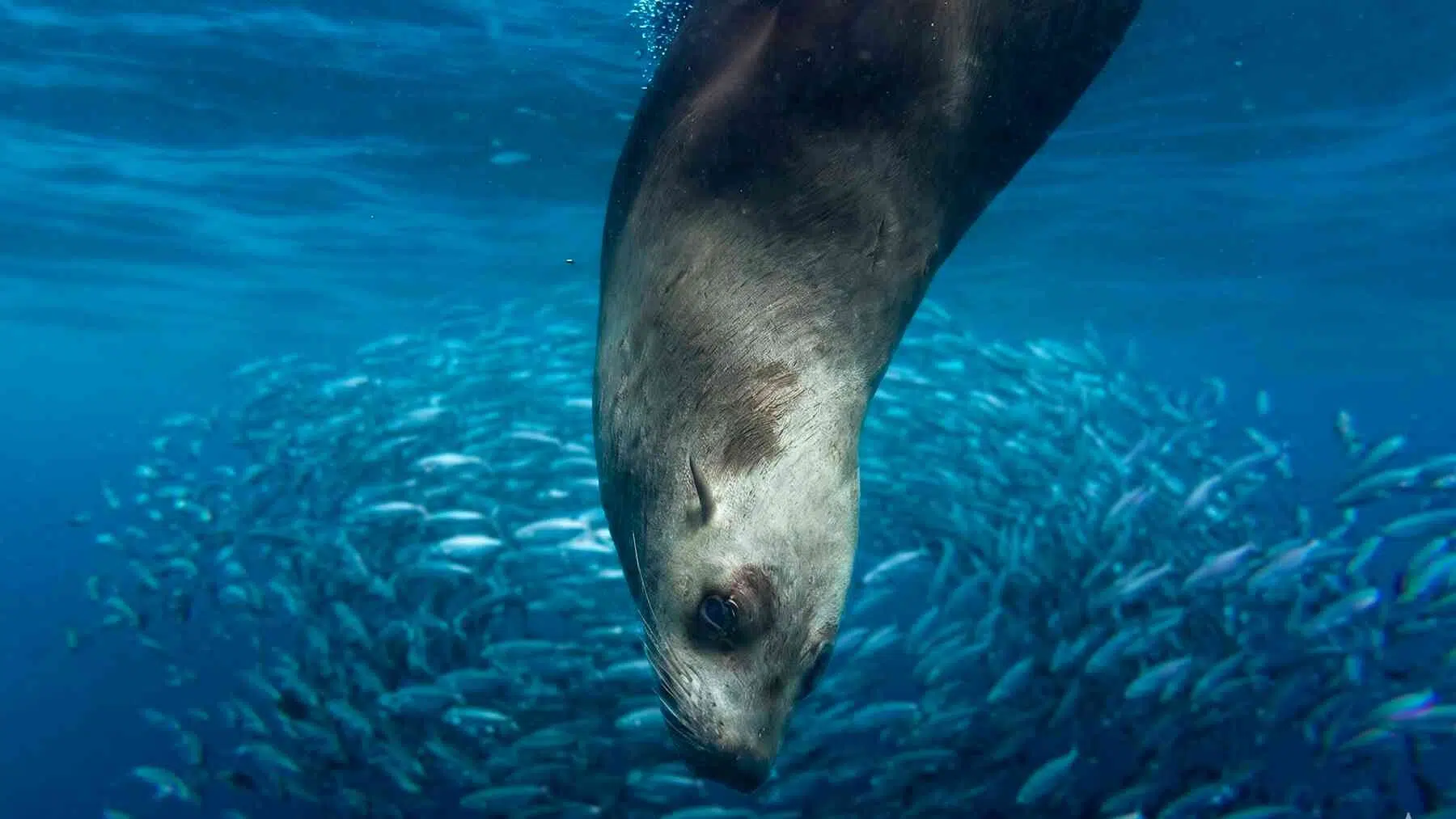
Far down in the Pacific Ocean, an unlikely thing is happening.
Something is collecting information about fish populations that has never been possible for humans to do before.
It isn’t a machine, nor is it a submersible probe. Instead, it moves quietly, goes down farther than most equipment, and returns with something we didn’t realize we needed.
What are those “fish population secrets”?
What makes these seals different from anything we’ve used before?
Scientists have been trying for years to create maps of the number of fish that exist in the lower levels of the ocean.
These areas are commonly referred to as the twilight zone.
A ship will only get you so close. Satellites only allow you to view the top layer.
So much of what occurs beneath remains a mystery.
Since elephant seals move through that area, they give scientists access to parts of the ocean once nearly impossible to monitor.
Rather than using tools to force entry into these zones, the elephants are already in motion through the ocean.
They create their own pathways through the zones where the fish migrate and collect in numbers few people see directly.
How did their behavior start revealing something unusual?
Initially it wasn’t clear if the elephant seals were indicating anything different than their previous dives and resurfaces.
However, once researchers were tracking their movements more closely, they found evidence. This showed seals were exhibiting movement tied to changes in fish concentrations, despite not observing them directly.
Then came findings that revealed how changing conditions in the bottom layers of the ocean affect where fish congregate.
This provided new measurements on trends that had not been seen before.
Over time, researchers looked at the routes the seals traveled back and forth repeatedly.
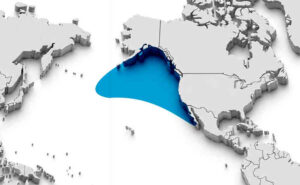
These paths passed through key food-gathering zones filled with unknown activity.
Eventually, researchers established a pattern based on the observations made while studying their behavior.
So how were elephant seals able to show something ships and satellites had failed to document for years?
This work was further supported by research on these deep-diving seals reported by the University of California – Santa Cruz.
What are those “fish population secrets” deep below?
The patterns continued and remained consistent even when ocean conditions changed.
The trend was also consistent from dive to dive.
This consistency indicated that there exists a greater linkage between the two.
Where this information is really coming from
While elephant seals document their surroundings and location, they also report findings through sensors embedded in their bodies.
This documentation occurs within layers of the ocean that are continually shifting.
When they dive, they carry these devices that record temperature, depth, and movement.
These recordings take place in locations that are typically unmeasurable environments.
The collected data provides insight into where fish may tend to cluster.
It does not come from direct observation of fish. Instead, it comes from detailed mapping of their surrounding environment.
Changes in water conditions indicate where life tends to concentrate.
This allows for knowledge of areas that could not previously be detected.
Seals become mobile data collectors as they move through areas beyond the reach of stationary instruments.
After conducting these collections over extended periods of time, they compile records.
These records detail how fish populations migrate and change.
By linking environmental changes with fish movement, scientists are gaining new insight into marine ecosystems.
Prior to this work, these types of connections were not available due to lack of continuous access to these underwater depths.
And the next question… if elephant seals can reveal what lies beneath, what else may be operating there without our detection?
Read the whole thing?
Get the week's signal, not the noise
Our sharpest reporting on energy, climate and nature — free, once a week.




