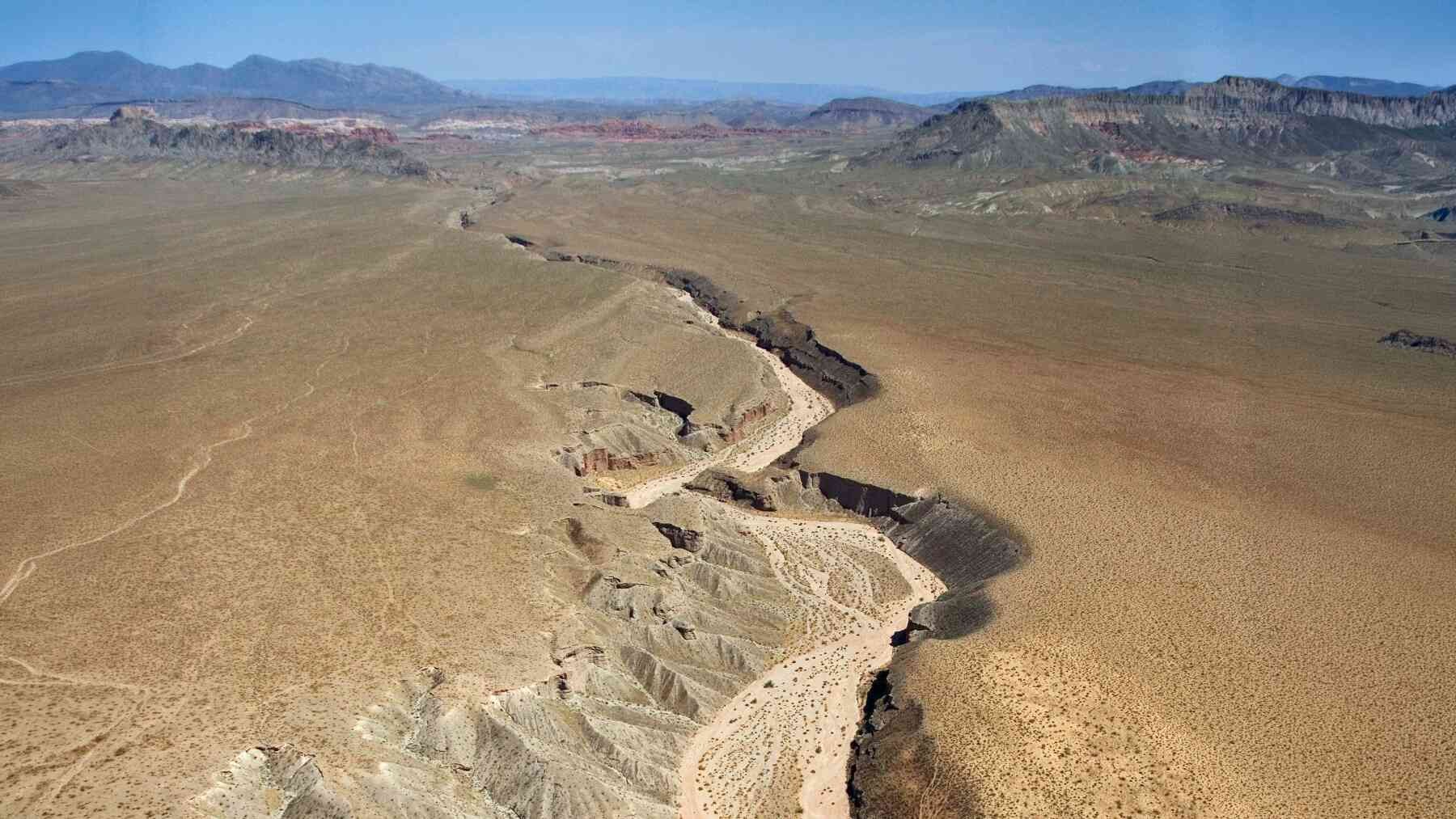
Southern California has numerous deep fault lines that have been slowly building pressure over time.
Now that pressure has built up, small quakes have reached a level never before seen in over a thousand years.
Scientists monitoring the ground have detected early signs of unusual seismic activity, though it remains unclear if anything will happen anytime soon.
Will an earthquake happen? Experts weigh in.
What’s going on underground?
For miles beneath the surface, large fault systems exist, made up of many pieces of the Earth’s crust.
Scientists know that tectonic plates moving alongside each other build up friction beneath the surface.
This stored energy can continue to build over time if nothing relieves it, until it is eventually released quickly.
Recent research indicates that several major fault lines are experiencing unusually high stress. These systems have slowly accumulated pressure across tens of thousands of years.
The overall structure now appears less stable than in the past.
It is not the individual faults that worry geologists regarding future earthquakes; it is how many of them interact with each other.
When one segment comes under stress and transfers some or all of it to another nearby part, it can create a rapid response. Different areas could experience the same effects at roughly the same time, rather than separate events.
Something beneath the surface continues to shift, though quietly.
What are scientists observing about the changes?
Geologists cannot always directly observe activity beneath the surface and therefore rely on measuring equipment to gather information.
They seek out even minor movements, occasionally as little as one-tenth of a millimeter.
The measurements show whether strain is increasing or decreasing.
Recently observed fault lines showed patterns unlike what had occurred during their earlier histories.
Some segments appeared to “lock” tighter than ever before, whereas others showed slight movement but retained considerable amounts of stress.
Researchers used long-term tectonic pressure data to determine why these fault lines would exhibit such behavior.
This included fault stress transfer and seismic activity in related fault networks. They also analyzed historical earthquake data in interconnected fault systems.
This enabled them to compare current behavior with previous patterns.
Because multiple fault systems acted abnormally, a key question remains—Is a breaking point near for these faults?
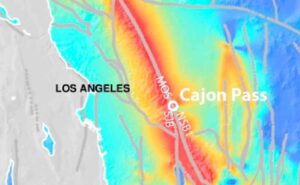
The study “Cajon Pass and the Southern San Andreas Fault System: Earthquake Cycle Stress Accumulation and Present-Day Loading” published in Journal of Geophysical Research provides additional insight into how stress accumulates over time within large fault systems.
How much longer before the next earthquake occurs?
Indicators suggest a growing risk, but there is no definitive date.
Each segment of a fault reacts differently under varying stress, making it difficult to interpret how these patterns relate.
It is becoming clear that the overall stability of the system is decreasing.
When these trends start coming together
The researchers agree that the elements necessary for a significant earthquake are beginning to develop.
However, they are describing a time range rather than a specific period in which it may occur.
This implies a significant window of heightened risk that could span anywhere from years to decades. Because these tectonic systems are complex, it is not yet possible for scientists to identify an exact time for the release of this energy.
Although they recognize that the risk is growing, they do not understand exactly when the release will occur.
Due to this lack of clarity regarding the timing of events, defining the situation is extremely difficult.
With enough energy in these systems to create a major event but without clear indications of timing, when may it actually happen?
Read the whole thing?
Get the week's signal, not the noise
Our sharpest reporting on energy, climate and nature — free, once a week.