Who wouldn’t want a mini renewable energy generator that they can carry around in their backpack? As promised on the developer’s website, a new device on the market is effectively a portable power turbine that can produce up to 360 Watt hours of electricity a day, according to WaterLily. It’s not only convenient but versatile, as both wind and water can be used to power the WaterLily turbine. There’s also a cool selection of add-ons to complement the technology and the product is already creating hype over its range of applications.
The WaterLily portable turbine delivers renewable power wherever you go
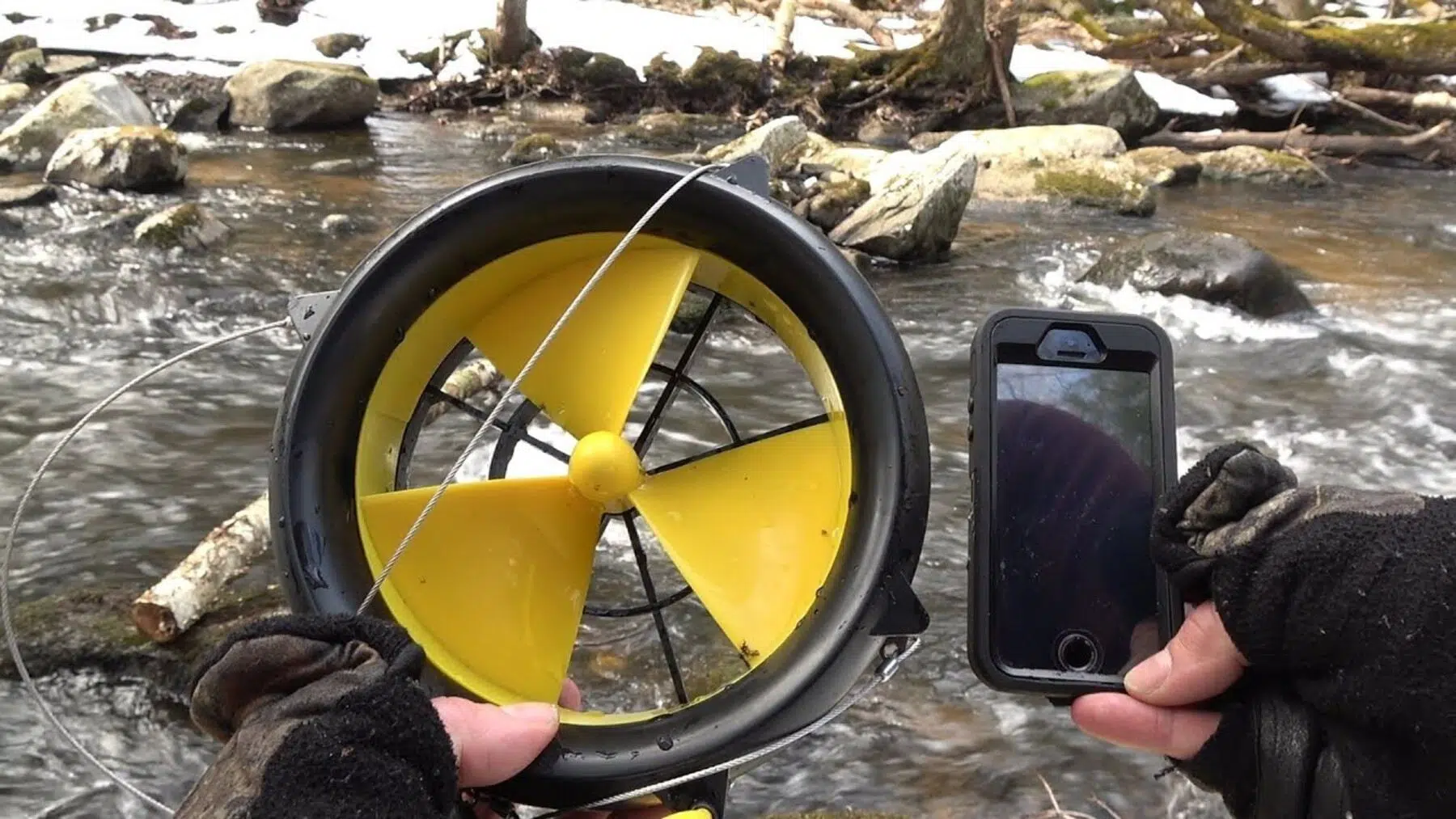
WaterLily is designed and manufactured in Canada by Seaformatics Systems Inc. The turbine fits in your hand and delivers up to 15 W of instant power. The WaterLily’s smart design allows it to spin in both moving water and wind and there’s even a hand-crank fitting available, so you have options depending on what resources you have to hand.
Among its many uses, the unique product is ideal for travelers and campers and makes a great addition to any emergency preparedness kit. The WaterLily is available in two different turbine forms with various optional add-on components for specific uses.
The WaterLily tech was scaled down from its original conception
Interestingly, the WaterLily started out bigger and was scaled down, contrary to the direction that most energy solutions usually take. It was conceptualized as a power source to maintain data stations in the Northern Atlantic Ocean. After 10 years spent testing and perfecting the design, it eventually reached the WaterLily form we see today.
In other news about larger-scale water power endeavors, California will soon be home to the first wave energy project in the United States.
2 WaterLily versions are available depending on your power needs
Campers, paddlers, filmmakers, and off-gridders around the world are fans of the WaterLily. Two options are currently on offer: the WaterLily 12V and the WaterLily USB. Each has unique applications.
WaterLily 12V
This version of the WaterLily turbine is the right choice for charging powerpacks, batteries, and tech devices that run on 12 volts and is more versatile in its range of uses. The 12V is fitted with a standard SAE connector to enable multi-device use. The connector allows the user to fit an adaptor that will work for all types of low-voltage devices, such as charging a 12-volt battery.
The 12V version is ideal for experienced off-grid survivalists, for example.
WaterLily USB
This recharger version is described as more user-friendly and versatile than the 12V. It’s ideal for charging smartphones, battery banks, speakers, cameras, lamp lights, and many more devices.
The power available to the device if placed in the average river will charge most small electronics at around the same rate as a wall charger. The WaterLily USB can generate up to 15 watts of instantly available power depending on how fast the water is flowing or the wind is blowing.
What else does the WaterLily tech have to offer?
Both WaterLily models are made with durable, drop-proof housing that’s built to last in outdoor conditions, from camping to mountaineering and beyond.
One of the benefits of the WaterLily turbine is that it doesn’t rely on sunlight or gas, so power will be reliably available through the night and even in heavy weather.
Both WaterLily versions come with a 10-foot charger cable to ensure all devices are kept safely away from your water source while in use.
Two of the add-on items available with the mini turbines are the waterproof charging bag and the hand-crank. The bag will keep all of your electronic devices safe while functioning as a storage and carry case for your WaterLily at the same time. The hand-crank is an affordable option that can come in useful during emergencies or when wind and running water are not available. Another option for when sunlight is not available is this solar panel that’s capable of generating power at night.
Read the whole thing?
Get the week's signal, not the noise
Our sharpest reporting on energy, climate and nature — free, once a week.