New Jersey is famous for its productive farmland and lush green fields. Now, the Garden State is going green in a new way.
Large-scale clean energy projects are popping up in fields across the state, and farmers are loving the extra cash.
But there’s a fresh breakthrough happening. It’s not just about producing electricity or saving the family business. It involves a few unusual, ‘beefy’ research assistants.
What are pasture animals doing around modern solar panels?
How New Jersey is saving farms while going solar
New Jersey’s solar power grid is expanding almost daily. Nearly 223,000 homes and businesses are powered by solar energy. That’s more than 5.2 gigawatts of capacity, and it’s more than doubled in the last seven years.
Normally, farmers have to choose between using the land for solar installations or agriculture.
But New Jersey went a different route with the Dual-Use Solar Pilot Program. It facilitates local farmers harvesting the sun while keeping their fields productive.
It offers a guaranteed second revenue stream and farmers don’t have to make a difficult choice.
State leaders and experts are trying hard to blend green energy with traditional farming. Preserving the agricultural aspect of working land is a priority.
But how do you operate traditional farming in the vicinity of high-tech electrical equipment?
The answer is a dynamic one. And there’s more to it than simply growing crops under solar panels. In fact, the livestock is about to get involved.
How did researchers design a functional agrovoltaics system?
What happens when green energy meets farmland?
This dual-use plan was tested through the Rutgers Agrivoltaics Program. The innovative project is proving that solar energy can work together with food production.
The ‘Farmers First’ approach was recognized with a major milestone in 2025. The project was awarded the prestigious Solar Farm of 2025 title in the North American Agrivoltaics Awards.
Researchers built a functioning three-site network across the state. The Snyder Research and Extension Farmwas one of these important sites.
They successfully demonstrated how solar panels shield crops from bad weather while generating clean energy.
It was a win-win result for all stakeholders for sure.
The success means local agricultural delegates are backing the tech. They want to ensure farming remains the priority for New Jersey’s preserved lands.
But testing vegetables and hay was just the beginning. A live element was soon introduced.
What came next on the pasture scene?
Welcome, Blossom, Misty, and Furry
A second farm, the Rutgers animal Farm, went one step further. Cows are now roaming the solar arrays, and researchers are looking at how the panels affect livestock.
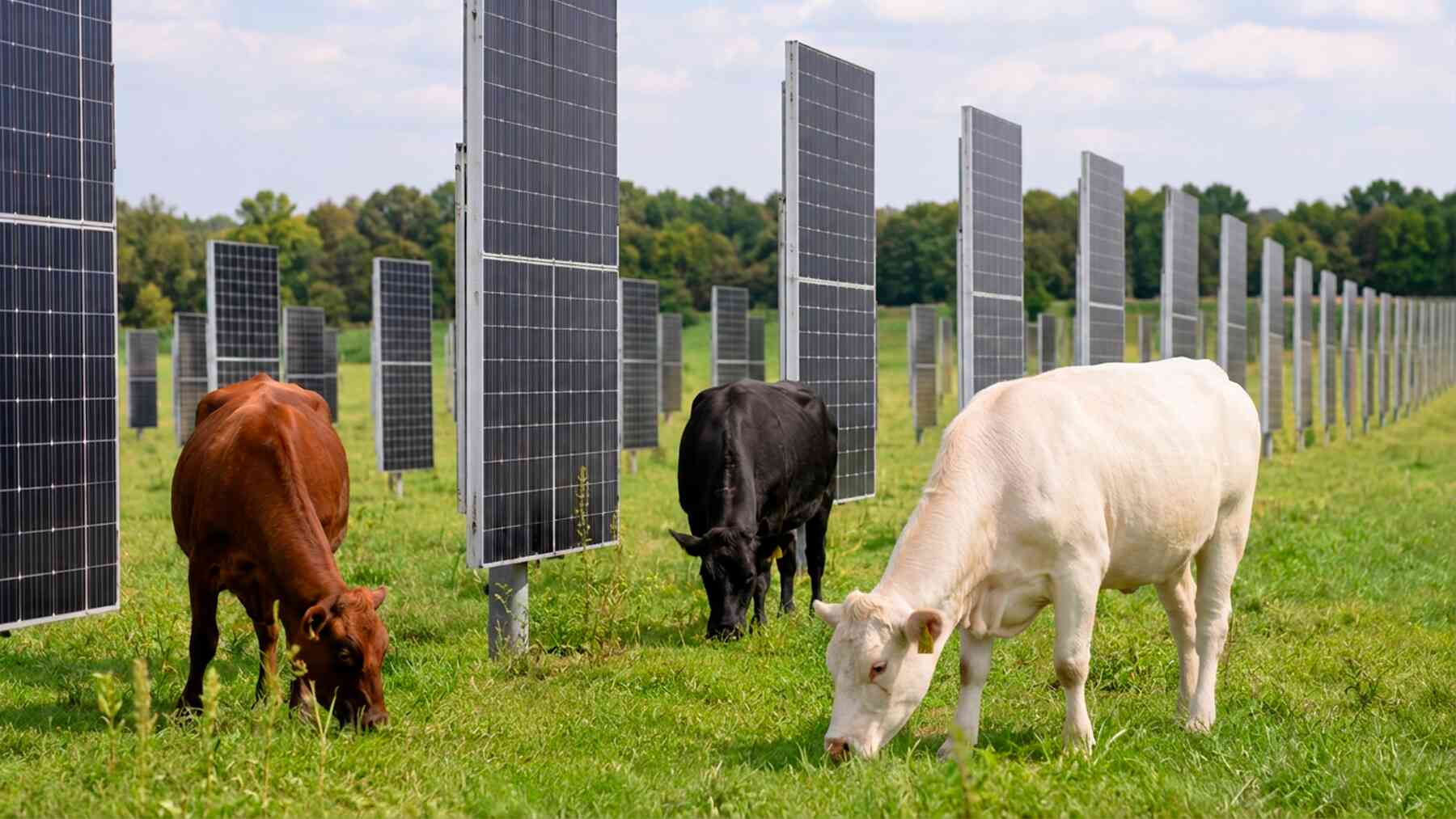
There are just three cows, named Blossom, Misty, and Furry. Blossom is a black Angus, and Misty and Furry are red and white Herefords.
The trio spend their summer days grazing on the grass growing between the arrays. The double-sided panels are spaced between 20 and 40 feet apart, enough room to move around and feed.
Multiple daily photoshoots, all in the name of clean power
The Rutgers Agrivoltaics Program researchers track the cows using cameras that take a photo every five minutes.
It’s clear that the cows love the setup. Blossom, Misty, and Furry spend hours resting in the cool shade of the panels.
The pasture has become twice as productive by adding cattle to the solar mix. While the cows keep the grass trimmed, the farm also generates clean electricity.
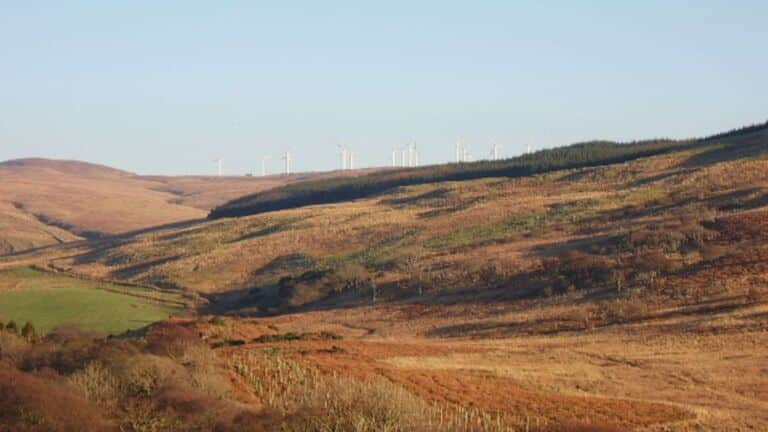
With thanks to these bovine assistants, New Jersey is proving that we can harvest the sun and raise livestock on the same land. Kansas is doing a similar thing with cows and wind turbines.
Is this the future of American family farming?
Read the whole thing?
Get the week's signal, not the noise
Our sharpest reporting on energy, climate and nature — free, once a week.