In a world that is in continuous demand for clean and renewable energy, there is something beyond that that is still gaining ground in America, and it is called solar beekeeping. Perhaps it sounds a little confusing, because how are bees and solar panels integrating or what relationships do they have with the generation of clean energy and electricity?
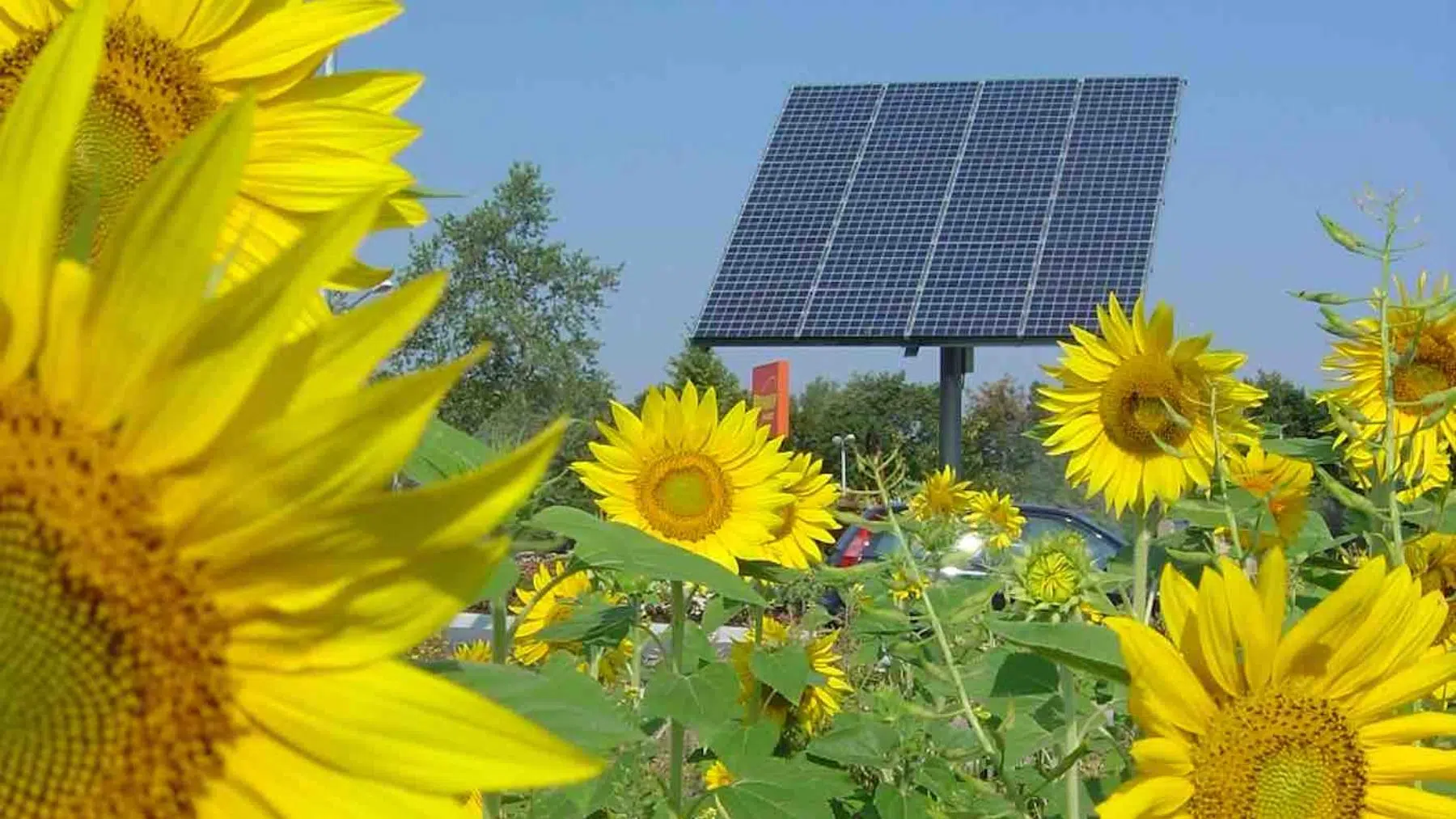
Solar farms are beginning to become a thing in the U.S. and while that expansion is happening, there are more innovative ideas that are coming along as well, and that is, when natural plants and wildflowers are added to solar panel farms, bees flourish. This innovative idea is definitely changing everything we have ever thought or imagined about solar energy.
What is solar beekeeping?
The Centre for Rural Affairs defines solar beekeeping as putting beehives on or close to solar sites as a common practice. Bees are busy producing honey and pollinating the native and non-invasive plant species beneath photovoltaic panels while they use the sun’s energy to generate electricity. Beekeeping at solar sites increases the land’s value as agricultural production remains at its peak.
Bees and solar farms: The making of the ideal partnership
When solar panels were introduced, it was all about filling the land with them and generating power without thinking that the same land could still be used to grow something and still generate power for the farms and their surroundings. However, with innovation at hand, this whole notion is changing. According to recent studies, adding pollinator-friendly plants to these areas makes it the perfect place for bees, butterflies, and other important pollinators to live.
This ideal partnership is called agrivoltaics, where solar energy and agriculture integrate and are in partnership. Therefore, instead of filling a land with solar panels, you can also plant crops and integrate the two together, and this provides a healthy space for bees to thrive in this type of ecosystem. A good example would be the Black Bear Solar Project in Virginia.
The United States needs beekeeping now more than ever before
Due to various factors such as climate change and unhealthy environments, pollinator populations, particularly bees, have been declining. Bees are essential; they have been contributing to pollinating most of the foods that we eat, and who does not love honey on top of their pancakes? Therefore, if they disappear or become extinct, it will drastically affect our food supply chains and agriculture.
Therefore, the idea of beekeeping is one revolutionary idea to safeguard them. As long as the environment is clean, then the bees can thrive in a world of solar energy generation and bees doing what they do best, pollinating. There are economic benefits that come with this initiative. Solar farms gain access to healthy, pesticide-free foraging land with more honey production and communities can have restored ecosystems too.
The goal is to have a system where nature and energy work together. Minnesota was the first U.S. state to pass a pollinator-friendly solar energy law, and as of recent years there are thousands of acres of pollinator-friendly solar energy from Oregon to Vermont. European countries such as Germany have already embraced this nature plus energy concept. Zoning laws can be created by policymakers to allow beekeeping on a project site, even if it is not an objective when the project is planned.
Regulations shouldn’t be so onerous as to limit chances for other advantageous activities, like grazing. We’re hoping that agrivoltaics will become even more popular in the US, following the example set by states that have already enacted pollinator-friendly solar standards and the many nations that have embraced the concept.
Read the whole thing?
Get the week's signal, not the noise
Our sharpest reporting on energy, climate and nature — free, once a week.