A striped shell the size of a thumbnail turned up on a rock in Lake St. Clair in the late eighties.
It had crossed an ocean inside a ballast tank and been pumped out into the lake with the water.
Within fifteen years its descendants had reached 23 states and two Canadian provinces.
Four of the five Great Lakes went under, and they have not come back.
The fifth one is the interesting case, and what saved it was a number in the water rather than anything anybody did.
The lake that said no
Lake Superior sits alongside the others and has largely escaped the zebra mussels, and that is not luck.
A mussel builds its shell out of calcium, and it needs roughly 20 milligrams of it in every liter to manage that.
Superior averages around 12 milligrams. The water there is simply too soft to build a shell in.
Erie, Ontario, Michigan and Huron had no such protection at all, and every one of them was taken completely.
One researcher working that lake put the position exactly, which is that they are insulated there but they are not immune.
And the question being asked out loud is whether the animal is adapting over time to thinner water than it used to need.
How a ship carries a lake across an ocean
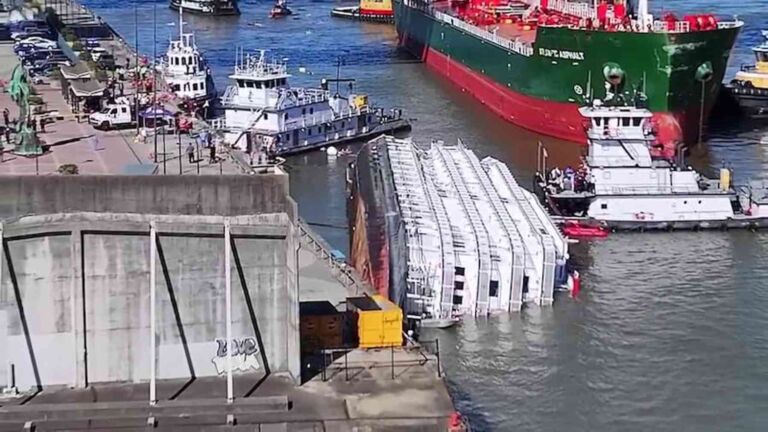
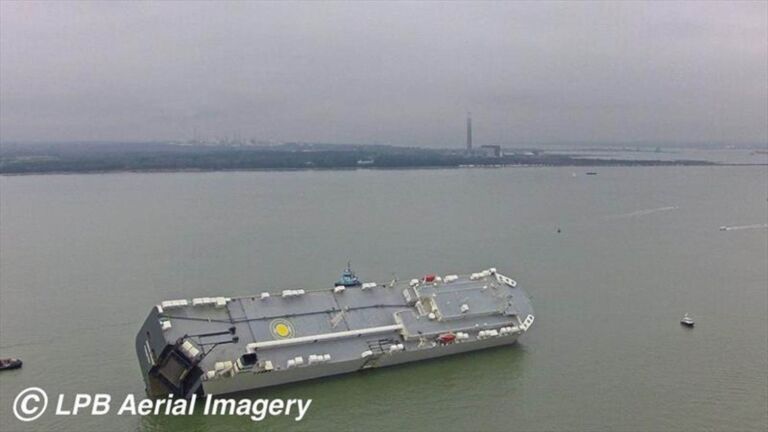
Ballast water is not a design flaw or an oversight. It is the only thing keeping an empty ship upright.
A large hull riding high sits dangerously top heavy, flexes under waves it was not built to take that way, and steers badly.
So the ship floods its tanks with whatever harbor water is around it, then pumps that back out at the far end when the cargo comes aboard.
Estimates of how much water moves around the planet this way run from about 3 billion tons a year to more than ten billion.
Everything floating in that harbor goes with it: eggs, larvae, algae, worms and microscopic mussels.
These particular ones are native to the Black, Caspian and Aral sea basins, which is a very long way from Detroit.
Why it moved so fast
The reproduction is the part that made containment hopeless from the very first summer.
A single female can release as many as a million eggs in one season.
The young then drift for weeks as free swimming larvae, which no other freshwater mussel in North America does.
That means the current carries them for free, and a boat trailer or a bilge finishes the job overland.
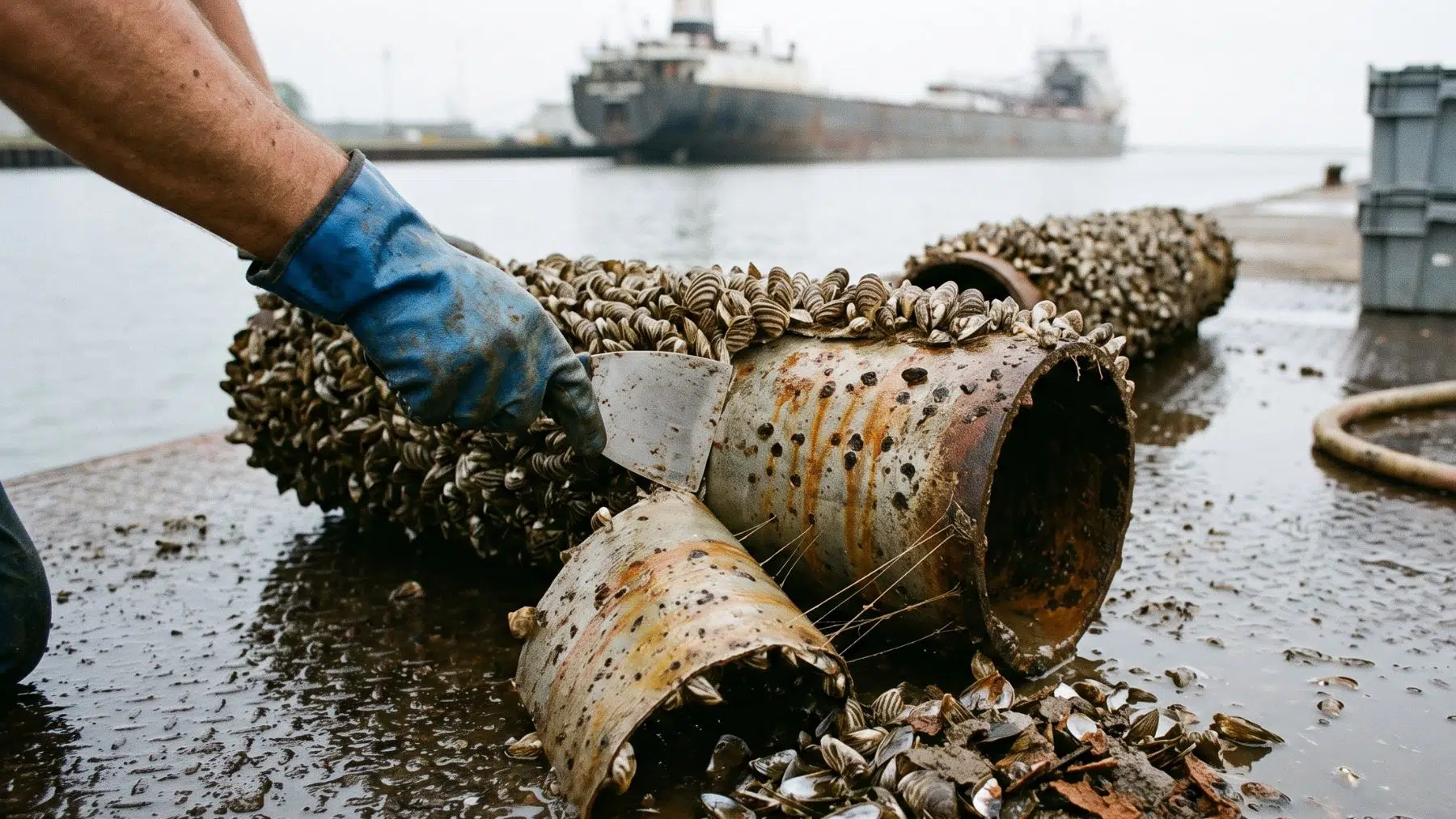
Anything hard at all will do as a surface. Rock, steel, concrete, a native mussel, another zebra mussel, or the hull that brought them.
Twenty three states and two provinces fell inside fifteen years, which is faster than anything else comparable on the continent.
What they did to the water
The clearest sign of all was that the lakes got clearer, and that turned out to be the bad news.
A dense bed filters enormous volumes of water every day, stripping out the plankton that everything else eats.
Clearer water lets light reach deeper, which shifts where the algae grow and rewires the whole food web from the bottom up.
Lake whitefish in the infested lakes are close to collapse, as the whitefish reporting from last year set out.
The engineering bill is a separate line entirely. Intake pipes at power stations and water plants clog solid and have to be scraped, with total economic harm since arrival put at well over a billion dollars, and a range of 1 to 1.5 billion quoted, as the record for the species notes.
The same accounting problem follows an offshore array or a fenced solar site, where the cost of a change lands on whoever owns the pipe.
What changed and what did not
One correction is worth making here, because the animal in the story has quietly been swapped out.
In the deep water of the lower lakes the zebra mussel has largely been replaced by the quagga, a close relative that tolerates cold, colonizes soft mud and filters finer particles.
So the animal doing most of the damage today is not quite the one that arrived first, though zebra mussels still hold the shallows.
The shipping side has been fixed, more or less. Tanks must be exchanged far offshore or run through treatment on board, under an international convention that took thirteen years to come into force.
All of that stops the next arrival and does absolutely nothing about the ones that are already in there.
Which leaves one lake, twelve milligrams of calcium in every liter, and a great many people watching that number very closely.
Read the whole thing?
Get the week's signal, not the noise
Our sharpest reporting on energy, climate and nature — free, once a week.